Careers in Game Development
Introduction to Game Development
A Brief History of Gaming
Video games didn't just appear overnight. They started as simple experiments in university labs in the 1950s and 60s. The first recognizable games were basic, like Tic-Tac-Toe on giant computers. It wasn't until the 1970s that games broke out into the public with arcade hits like Pong and Space Invaders. These games were simple, but they were revolutionary. For the first time, people could interact with images on a screen for fun.
The real game-changer was the home console. Systems like the Atari 2600 and the Nintendo Entertainment System (NES) brought the arcade experience into living rooms. Suddenly, anyone could be a hero, a plumber, or a space pilot. This era defined many of the genres we still love today, from platformers to role-playing games.
Then came the leap to 3D. In the mid-1990s, consoles like the Sony PlayStation and Nintendo 64 introduced worlds with depth and perspective. Games were no longer flat. Players could explore vast, immersive environments, and storytelling became more complex and cinematic. This shift laid the groundwork for the massive, open-world games that are popular today.
The Industry Today
Fast forward to now, and the game industry is a global powerhouse, larger than the film and music industries combined. It’s a landscape of incredible variety. On one end, you have massive AAA titles—games like The Last of Us or Call of Duty—created by hundreds of people with blockbuster budgets. These games push the boundaries of graphics and technology.

On the other end, there's a thriving indie scene. Small teams or even solo developers are creating unique, personal, and innovative games that often become massive hits. Titles like Stardew Valley and Among Us prove that a great idea is more important than a huge budget.
A few key trends are shaping modern gaming. "Live service" games receive constant updates and new content, keeping players engaged for years. Cloud gaming allows people to stream high-end games to almost any device, and cross-platform play breaks down the walls between different consoles, letting friends play together no matter their hardware.
Where Games Live
Games are built for specific hardware, known as platforms. Each platform has its own strengths, limitations, and audience.
| Platform | Key Characteristics |
|---|---|
| PC | Offers the most power and flexibility. Home to huge digital stores like Steam and a massive modding community. |
| Console | Standardized hardware from companies like Sony (PlayStation), Microsoft (Xbox), and Nintendo (Switch). Known for a simple, plug-and-play experience. |
| Mobile | The largest market by number of players. Games are designed for touchscreens and shorter play sessions on smartphones and tablets. |
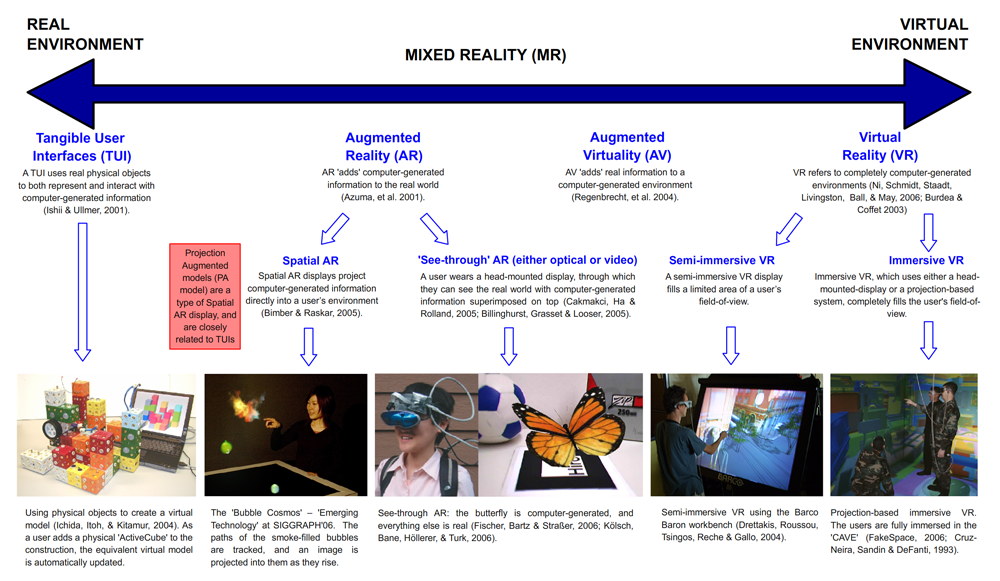
| VR/AR | Virtual and Augmented Reality offer the most immersive experiences by placing players directly inside the game world or overlaying digital elements onto the real world. |
Developers must choose their platform carefully. A fast-paced shooter might be perfect for a console controller, while a complex strategy game might work best with a mouse and keyboard on PC. A casual puzzle game is ideal for mobile, and a flight simulator feels most at home in VR. The platform fundamentally shapes the design and feel of a game.
And it's not just about one platform anymore. Many large games are now developed to be released on PC, PlayStation, and Xbox simultaneously. This requires careful planning to ensure the game runs well and feels right on each system.
Where did the earliest video games originate?
What major technological shift did consoles like the Sony PlayStation and Nintendo 64 introduce to gaming?
This is just the beginning of the journey. Understanding the industry's history and its current landscape provides a solid foundation for everything that comes next in game development.