Careers Around Cars Beyond Mechanics
Introduction to Automotive Industry
The Ever-Evolving Automobile
The automotive industry is more than just manufacturing cars. It’s a massive global ecosystem that shapes how we live, work, and connect with the world. From the first sputtering engines to the quiet hum of electric vehicles, this industry has always been driven by innovation. It encompasses design, engineering, manufacturing, marketing, sales, and the technology that powers the next generation of transportation.
From Assembly Line to AI
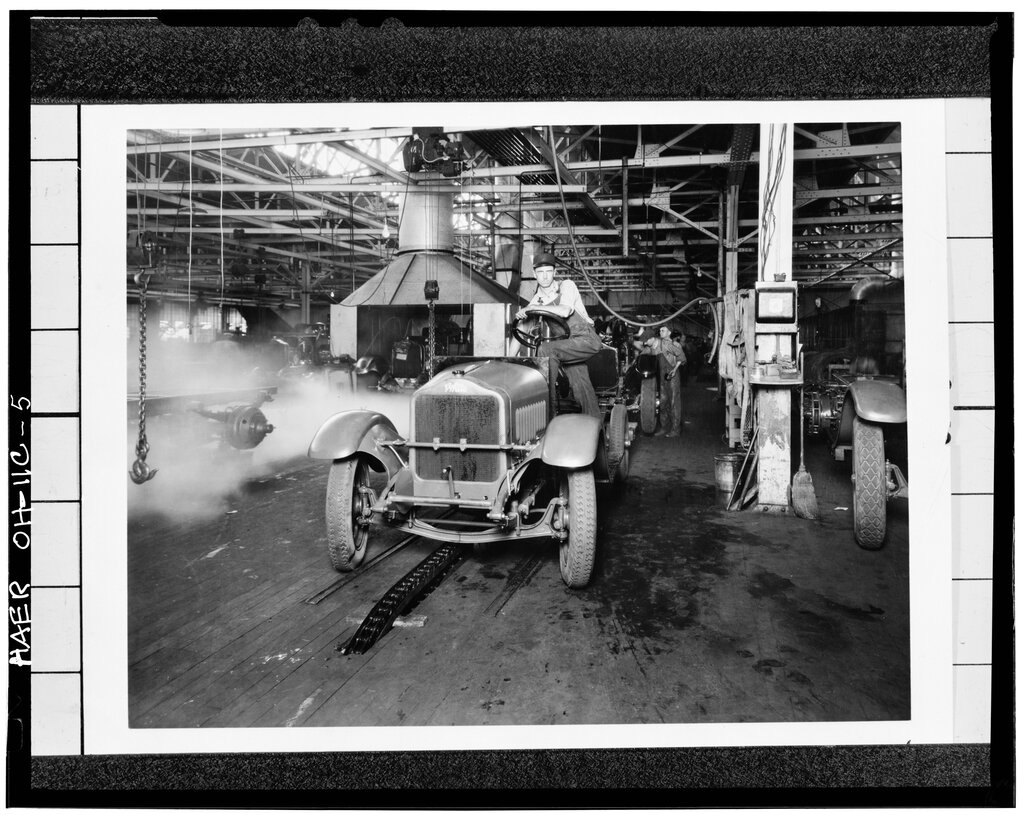
The early days of the automotive industry revolutionized manufacturing. Henry Ford’s moving assembly line, introduced in the early 20th century, made cars affordable for the masses and set a new standard for industrial production. For decades, the industry was defined by mechanical prowess, focusing on improving the internal combustion engine and the vehicle's physical performance.
After World War II, the car became central to modern life, leading to the growth of suburbs and a sprawling network of highways. The focus remained on mechanics for a long time, but a quiet shift was underway. The introduction of electronics in the 1970s for things like engine control and diagnostics was just the beginning. Today, a new car can have over 100 million lines of code, making it more of a computer on wheels than a simple machine.
The Road Ahead
Three major trends are reshaping the industry right now: electrification, autonomous driving, and connectivity.
The automotive industry’s seismic shift away from internal combustion and towards electric vehicles (EVs) is creating opportunities for it to reinvent itself from the ground up.
Electric vehicles are replacing gasoline engines with batteries and electric motors, changing everything from vehicle design to the skills needed to build them. Self-driving technology relies on artificial intelligence, sensors, and vast amounts of data to navigate the world. Meanwhile, connected cars communicate with each other and with infrastructure, opening up new possibilities for safety, entertainment, and efficiency.
These shifts mean that automakers are no longer just car companies. They are tech companies, competing for talent with Silicon Valley.
Careers Beyond the Engine
The focus on technology has created a huge demand for professionals outside of traditional mechanical engineering. The modern car is a complex product that requires a diverse team to bring it to life.
| Role | What they do | Key Skills |
|---|---|---|
| Software Engineer | Develops the code for everything from the infotainment system to autonomous driving features. | Programming (C++, Python), systems architecture, AI/machine learning. |
| UX/UI Designer | Designs the driver's interaction with the car's digital displays and controls. | User research, prototyping, information architecture, visual design. |
| Data Scientist | Analyzes data from vehicles to improve performance, predict maintenance, and understand driver behavior. | Statistics, machine learning, data visualization, big data technologies. |
| Cybersecurity Expert | Protects the car's connected systems from being hacked. | Network security, ethical hacking, cryptography. |
| Supply Chain Manager | Manages the complex global network of suppliers for parts like batteries and microchips. | Logistics, negotiation, risk management, data analysis. |
As you can see, the skills needed in today's automotive industry are incredibly varied. There are opportunities for creatives, data experts, business strategists, and tech gurus. The car is evolving, and so are the careers that drive it forward.
What was the primary impact of Henry Ford's moving assembly line on the automotive industry?
Which of the following best describes the shift in vehicle technology since the 1970s?