Career Pivots for Healthcare Quality Leaders
Assessing Transferable Skills
What Are Your Core Skills?
Working in quality improvement leadership means you've developed a powerful set of skills. You're not just an expert in healthcare processes; you're an expert in making things better. This distinction is crucial. The abilities you use every day to drive change are highly valuable in many different fields.
The first step is to take stock of these abilities. Think about your daily work beyond the specific healthcare context. What do you actually do? You likely manage complex projects, analyze data to find trends, lead diverse teams, and design more efficient ways of working. These are your core competencies.
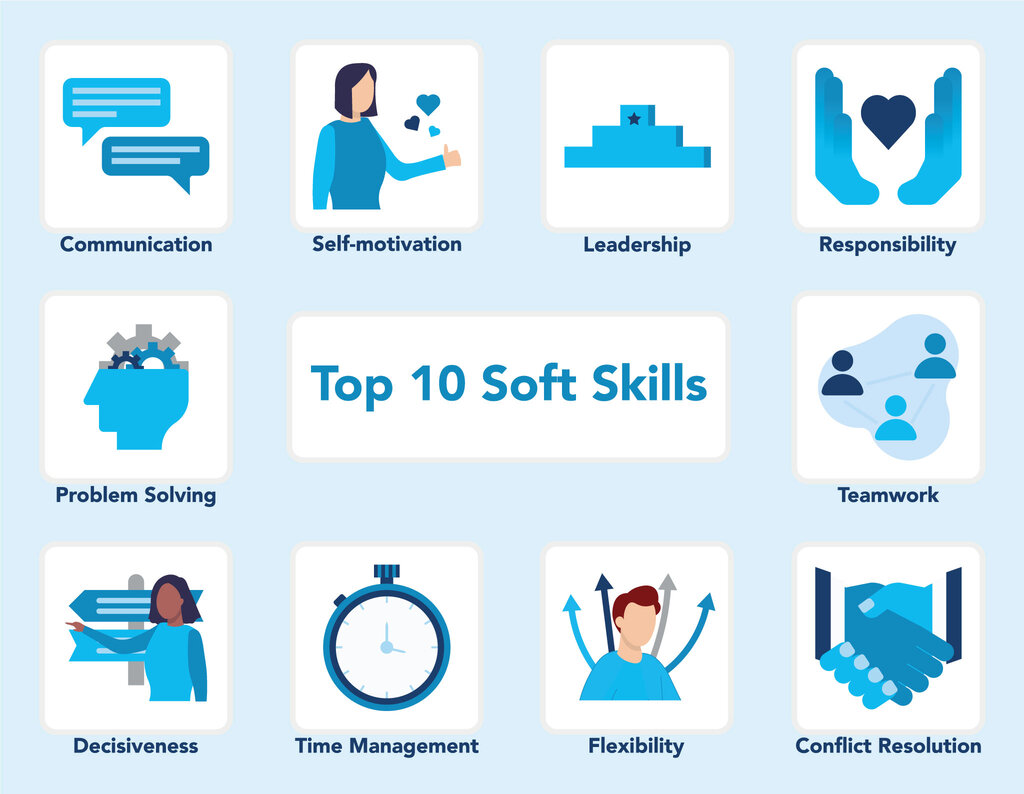
Breaking down your experience into these fundamental skills is the key. Instead of thinking, "I led a project to reduce patient readmission rates," think, "I used data analysis to identify a key problem, developed a multi-stage solution, and managed a team to implement it, resulting in a 15% improvement."
This reframing helps you see your experience as a collection of versatile tools, not just a series of job-specific tasks.
Changing careers doesn’t mean starting from scratch; it’s about identifying and presenting the valuable skills you’ve already developed in a way that aligns with your new goals.
Connecting Skills to New Opportunities
Once you've identified your core skills, the next step is to translate them into a language that resonates outside of academic healthcare. Your expertise is not confined to its original setting. Effective communication, strategic planning, and data-driven decision-making are universally in demand.
Imagine you're explaining your work to someone completely unfamiliar with your field. How would you describe your accomplishments? This exercise helps you strip away jargon and focus on the fundamental value you provide. You build bridges between what you've done and what a new role might require.
| Healthcare QI Task | Transferable Skill Set |
|---|---|
| Leading a committee to revise a clinical pathway | Leadership, facilitation, consensus-building |
| Analyzing patient outcome data | Data analysis, statistical reasoning, critical thinking |
| Implementing a new documentation process | Project management, process improvement, change management |
| Presenting findings to department heads | Public speaking, data visualization, stakeholder communication |
This translation is especially important when exploring remote work. Remote roles often place a premium on skills like self-motivation, time management, and digital communication. You've likely honed these skills while juggling multiple projects and deadlines. Now it’s time to highlight them.
Focus on the abilities you use to solve problems. Your knack for improving systems is a powerful asset, no matter the industry.
How to Evaluate Your Skills
Taking an honest look at your own skills is a vital part of this process. A self-assessment helps you understand your strengths and identify areas you might want to develop further. This isn't about judgment; it's about clarity.
There are many ways to approach this. You can create a simple skills inventory, listing each competency and rating your confidence level. Or you can use a more structured framework to guide your reflection.
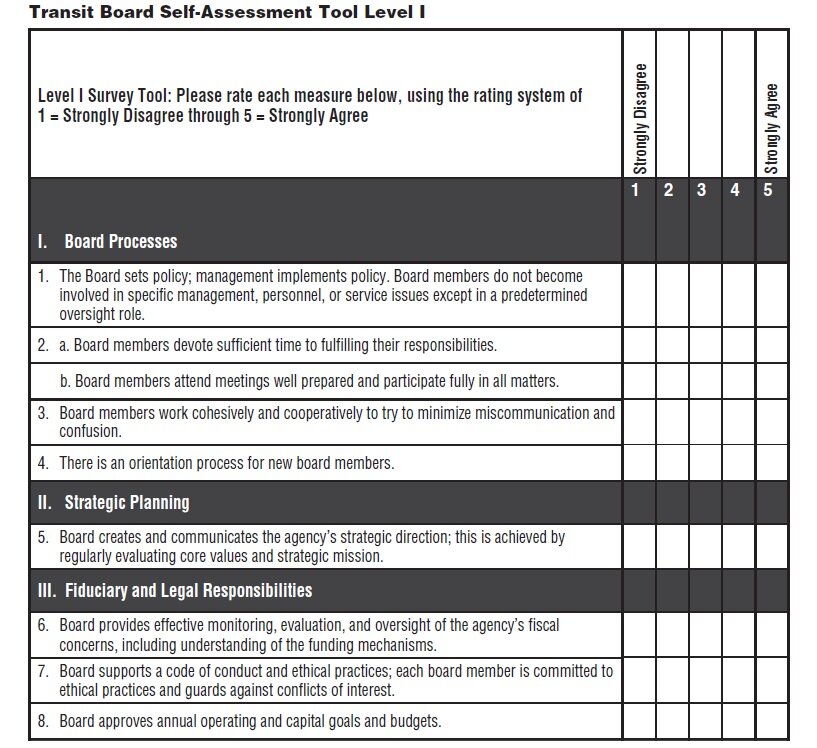
One helpful method is to write down your top five professional accomplishments. For each one, list all the skills you used to achieve it. You’ll likely see patterns emerge. The skills that appear most often are your core strengths. This exercise also provides you with concrete examples to share in future conversations or applications.
Another approach is to gather feedback. Talk to trusted colleagues or mentors. Ask them what they see as your greatest strengths. An outside perspective can often highlight valuable skills you might have overlooked in yourself.
Ready to test your knowledge on identifying and assessing your skills?
A quality improvement leader reduced patient readmission rates by 15%. How can they best reframe this accomplishment for a role outside of healthcare?
What is the crucial first step for a quality improvement leader looking to apply their skills in a different field?
By thoroughly assessing your transferable skills, you build a clear picture of the value you bring to any role. This understanding is the foundation for exploring new career paths with confidence.