Cardiovascular Health and Performance Metrics
Cardiovascular System Basics
The Body's Delivery Service
Think of your body as a bustling city. For this city to function, it needs a reliable delivery service—one that brings in supplies like oxygen and nutrients and removes waste products. The cardiovascular system is that service. It's a vast network composed of three main parts: the heart (the central dispatch center), blood vessels (the roads), and blood (the delivery trucks).
The Heart: A Powerful Pump
At the center of it all is the heart, a muscular organ about the size of your fist. Its job is simple but relentless: to pump blood through your body. It beats about 100,000 times a day, moving blood through a complex circuit of vessels.
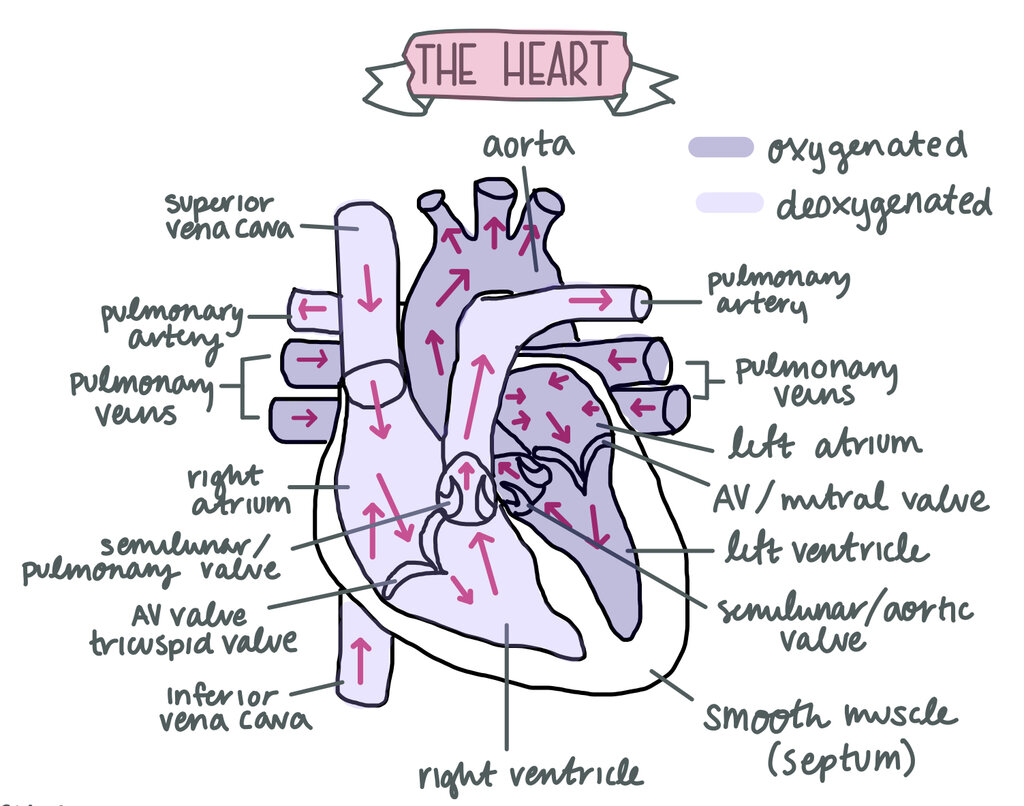
The heart is divided into four chambers. The two upper chambers are called atria, and they act as receiving docks for blood returning to the heart. The two lower chambers are the ventricles, which are the powerful pumps that send blood out to the lungs and the rest of the body.
Atrium
noun
An upper chamber of the heart that receives blood from the veins and forces it into a ventricle.
To keep blood flowing in the right direction, the heart has four valves that act like one-way doors. They open to let blood pass through and then snap shut to prevent it from flowing backward. This coordinated pumping and valve action creates the familiar "lub-dub" sound of a heartbeat.
Blood Vessels: The Highways
Blood travels through a 60,000-mile network of blood vessels. These aren't all the same; they come in three main types, each with a specific job.
- Arteries: These are the large vessels that carry oxygen-rich blood away from the heart. They have thick, muscular walls to withstand the high pressure of the blood being pumped out of the ventricles.
- Veins: These vessels carry deoxygenated blood back to the heart. The pressure here is lower, so veins have valves to prevent blood from flowing backward, especially in your legs.
- Capillaries: These are the microscopic side streets that connect arteries and veins. Their walls are only one cell thick, which allows for the easy exchange of oxygen, nutrients, and waste products between the blood and your body's tissues.
Blood Circulation
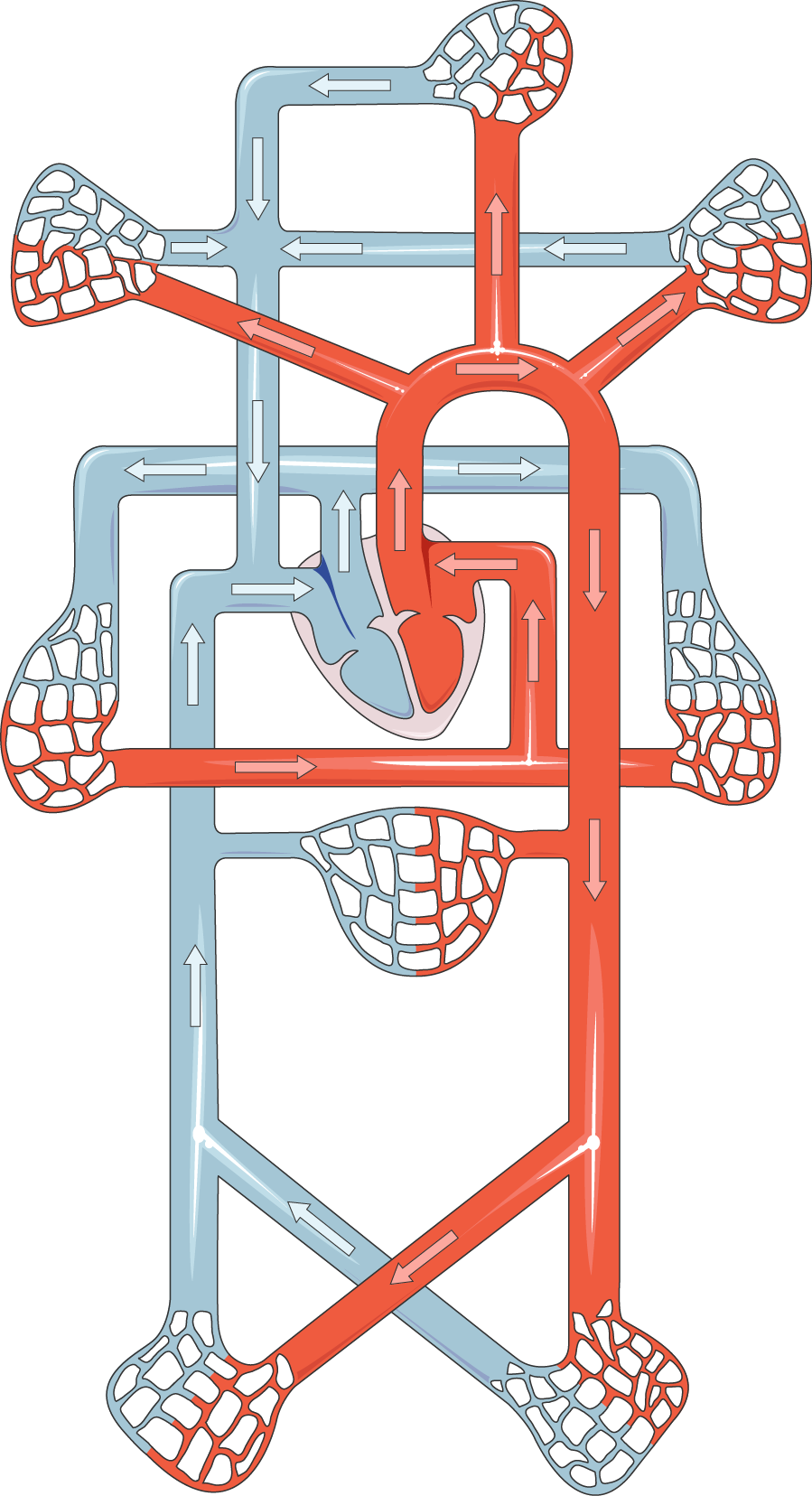
The journey of blood is a continuous loop, often described as two circuits. The pulmonary circuit carries blood to the lungs to pick up oxygen, while the systemic circuit delivers that oxygenated blood to the rest of the body.
Here’s how it works:
- Deoxygenated blood from your body enters the right atrium.
- The right atrium pumps it to the right ventricle.
- The right ventricle pumps this blood to the lungs, where it drops off carbon dioxide and picks up fresh oxygen.
- The now oxygen-rich blood travels from the lungs to the left atrium.
- The left atrium pumps it to the left ventricle, the strongest chamber of the heart.
- The left ventricle pumps the oxygenated blood out to the entire body, delivering what your cells need to function.
The blood eventually returns to the right atrium, and the cycle begins again. This entire process ensures that every cell in your body gets the oxygen it needs while having its waste carried away.
Your cardiovascular system does more than just transport oxygen. It also moves hormones, nutrients, and immune cells throughout the body, helps regulate body temperature, and carries waste to the kidneys and liver for removal. Its health is fundamental to the health of every other system.
What is the primary role of the heart's ventricles?
Which part of the cardiovascular system is described as the 'delivery trucks'?
Understanding these core components and processes is the first step in appreciating how things like diet, exercise, and medical tests relate to your heart health.