Cardiothoracic Ratio and Depression Link
Cardiothoracic Ratio
Measuring the Heart's Shadow
One of the most common medical images is the chest X-ray. It gives doctors a quick look at the lungs, bones, and, importantly, the heart. But how can they tell if a heart is too big just by looking at a flat image? They use a simple but effective measurement called the Cardiothoracic Ratio, or CTR.
Cardiothoracic Ratio (CTR)
noun
A measurement used on chest X-rays to assess the size of the heart in relation to the overall size of the thoracic cavity (the chest).
The CTR is a straightforward comparison between the width of the heart and the width of the chest. Think of it as a percentage: what percentage of the chest's width is taken up by the heart's shadow? This ratio helps provide an objective way to screen for an enlarged heart, a condition known as cardiomegaly.
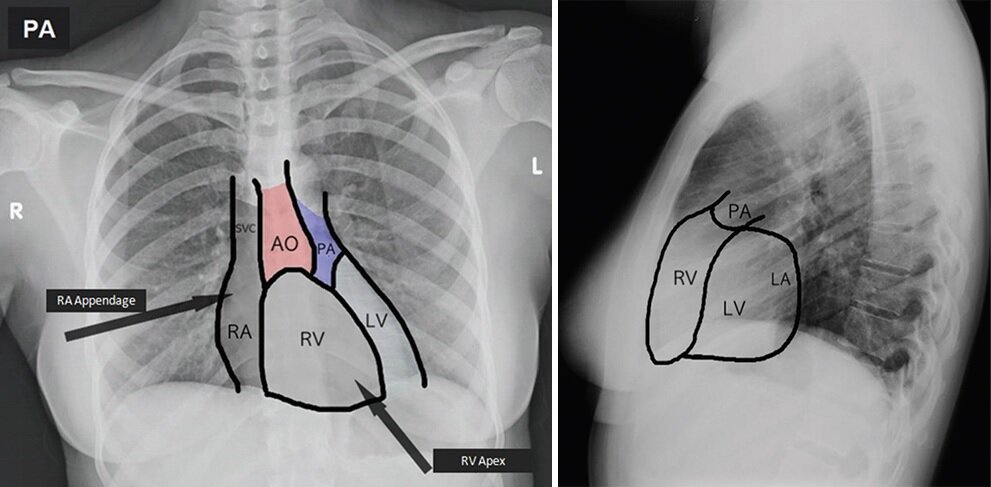
Calculating the Ratio
To calculate the CTR, two measurements are taken from a posteroanterior (PA) chest X-ray, where the X-ray beam passes from back to front.
First, we find the maximum horizontal diameter of the heart. This is done by measuring the furthest point of the right heart border from the midline and the furthest point of the left heart border from the midline, and then adding these two distances together.
Second, we measure the maximum horizontal diameter of the chest, from the inner surface of the ribs on one side to the inner surface on the other, usually at the level of the diaphragm.
With those two numbers, the formula is simple.
What the Numbers Mean
The resulting ratio gives a quick indication of heart size. For adults, a CTR of less than 0.5, or 50%, is generally considered normal. This means the heart's width is less than half the width of the chest.
A CTR greater than 0.5 is suggestive of cardiomegaly. This isn't a diagnosis in itself, but it's a significant finding that prompts further investigation. An enlarged heart can be a sign of underlying conditions like high blood pressure, heart valve disease, or diseases of the heart muscle (cardiomyopathy).
A CTR above 0.5 is a red flag, not a final verdict. It signals that a closer look is needed.
It's important to remember that CTR is a screening tool. Factors like the patient's body shape, the depth of their breath during the X-ray, and the specific X-ray technique can influence the measurement. For example, in infants, a CTR up to 0.6 can be normal.
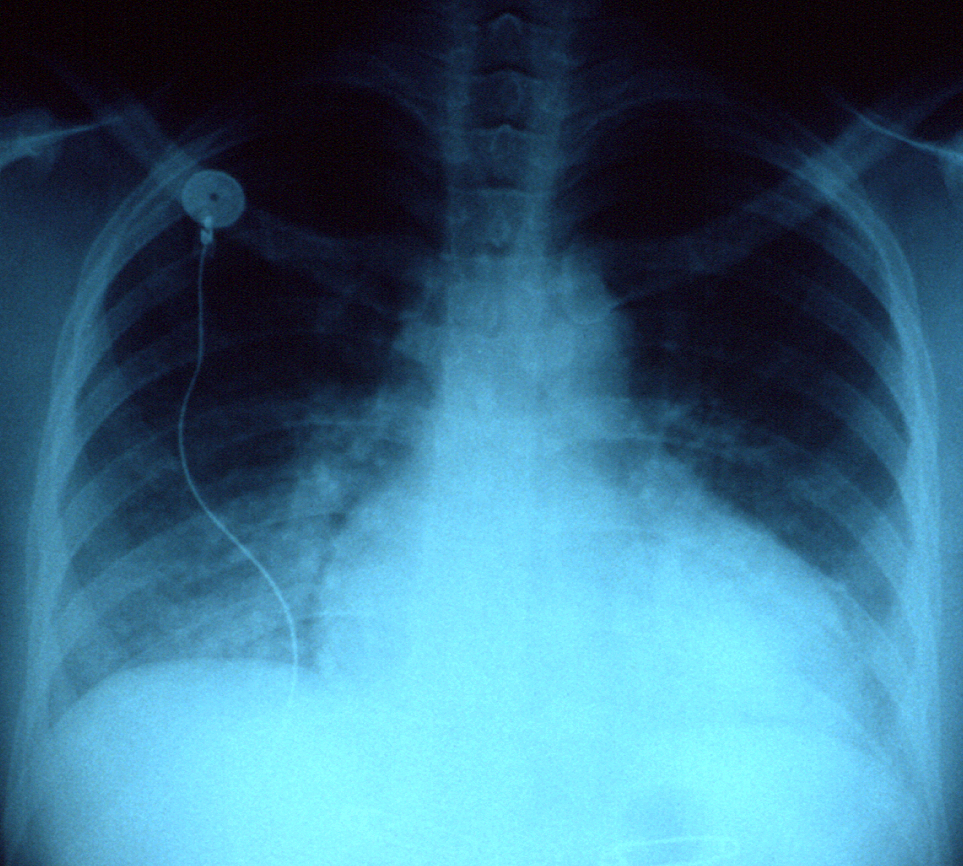
If a high CTR is found, a doctor will typically order more specific tests, such as an echocardiogram (an ultrasound of the heart), to get a detailed view of the heart's structure and function. The CTR is the simple, first step that can point the way toward a more complex diagnosis.
What is the primary purpose of calculating the Cardiothoracic Ratio (CTR)?
Which of the following formulas correctly represents the calculation for the Cardiothoracic Ratio?