Cardano Blockchain Explained
Introduction to Blockchain
What Is a Blockchain?
At its core, a blockchain is a special kind of database. Think of it like a digital notebook that's shared among many people. Whenever someone wants to add a new entry, they pass the notebook around, and everyone agrees on the new information before it's written down in permanent ink.
At its most basic level, a blockchain is a digital ledger maintained by a decentralized network of computers.
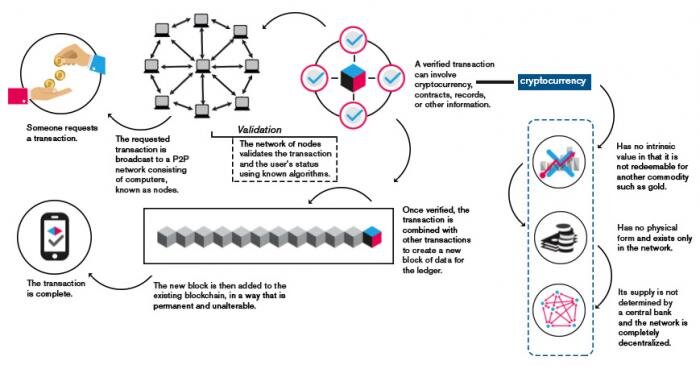
This digital ledger is made up of a chain of blocks. Each block contains a list of transactions, which are just records of events. These could be financial transactions, like sending money, but they can also be records of votes, supply chain movements, or property ownership.
Once a block is filled with transactions, it's added to the chain and linked to the previous block using cryptography. This creates a chronological, unchangeable record.
The entire network is maintained by a group of participants called nodes. These are individual computers that keep a full copy of the blockchain ledger. When a new block of transactions is proposed, the nodes work together to verify it and add it to the chain.
No Single Point of Failure
A key feature of blockchain is decentralization. Unlike a traditional bank where all records are stored on a central server, a blockchain's records are distributed across its entire network of nodes. There's no single person or company in charge.
This distribution makes the system incredibly resilient. If one computer goes offline, the network continues to run without interruption. It also prevents any single entity from controlling or manipulating the data.
Decentralization
noun
The distribution of power and control away from a central authority to a network of participants.
But if no one is in charge, how do all the nodes agree on which transactions are valid? They use a consensus mechanism. This is a set of rules that the network follows to reach an agreement. Think of it as a digital voting system. For a new block to be added, a majority of the nodes must agree that the transactions inside it are legitimate. This process ensures that only valid data is added to the blockchain.
Benefits and Applications
The unique structure of blockchain technology provides several key advantages:
| Benefit | Description |
|---|---|
| Security | The cryptographic links between blocks and the decentralized nature make it extremely difficult to tamper with data. Changing one block would require changing all subsequent blocks across the entire network. |
| Transparency | While participants can be anonymous, the transactions themselves are typically public and viewable by anyone on the network. This creates a high level of accountability. |
| Immutability | Once a transaction is recorded on the blockchain, it cannot be altered or deleted. This creates a permanent, trustworthy record of events. |
These benefits make blockchain useful for more than just cryptocurrencies. It’s being explored across many industries.
For example, in supply chain management, blockchain can track goods from the factory to the store shelf, ensuring authenticity and preventing fraud. In healthcare, it can securely store and share patient medical records while giving patients control over their data.
Other applications include voting systems, managing intellectual property rights, and creating digital identities. The core idea is to provide a secure and transparent way to record and verify information without relying on a central intermediary.
Let's test your understanding of these foundational concepts.
What is a blockchain at its most fundamental level?
In a blockchain network, what is the primary role of a 'node'?
This basic understanding of what a blockchain is, how it works, and why it's useful sets the stage for exploring more advanced systems built on this technology.