Car Wash Empire Builder
Industry Overview
The Car Wash Landscape
Not all car washes are created equal. The industry is diverse, with several distinct models, each catering to different customer needs and price points. Understanding these types is the first step in navigating the market.
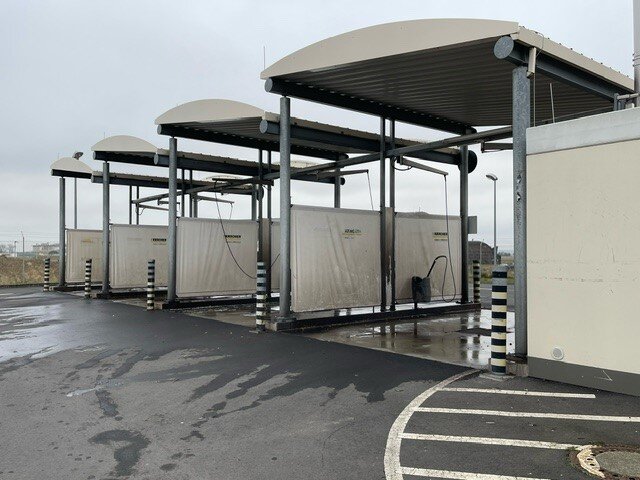
The most basic is the self-service model. You'll find bays equipped with high-pressure wands and foaming brushes. Customers pay for time and do all the work themselves. It's the go-to for budget-conscious drivers or enthusiasts who prefer a hands-on touch.
Next are in-bay automatics, often found at gas stations. You drive into a bay, park, and a machine moves back and forth over your car. It's a convenient, hands-off option, but throughput is limited since only one car can be washed at a time.
Express exterior washes are the dominant model today. These use a conveyor belt to pull your car through a tunnel of brushes, soap applicators, and dryers. The focus is on speed and volume. Customers typically stay in their vehicle and are out in just a few minutes. Free vacuums are often provided at the end.
Finally, full-service car washes offer the most comprehensive cleaning. Like express models, they use a tunnel, but after the wash, employees clean the interior, wipe down surfaces, and wash the windows. Some also offer detailing services. This model provides a premium experience at a higher price.
Shifting Customer Expectations
Today's consumers value speed and convenience more than ever. The rise of the express exterior model is a direct response to this trend. People want a clean car without a long wait or a high price tag. This has also fueled the popularity of subscription-based services.
Unlimited wash clubs, where customers pay a flat monthly fee for as many washes as they want, have transformed the industry. They build customer loyalty and create a predictable, recurring revenue stream for the business.
These membership programs lock customers into a single brand, discouraging them from visiting competitors. For the customer, it offers great value. If a monthly pass costs $25 and a single wash is $10, the membership pays for itself after just a few visits. This model turns a sporadic purchase into a regular habit.
Standing Out in a Crowded Market
The car wash industry is competitive. To succeed, a business needs to offer something more than just a basic wash. One of the biggest differentiators today is sustainability. Modern consumers are increasingly drawn to businesses that prioritize eco-friendly practices.
| Feature | Traditional Car Wash | Eco-Friendly Car Wash |
|---|---|---|
| Water Usage | 40-80 gallons per car | 15-30 gallons per car |
| Water Source | Fresh municipal water | Primarily recycled/reclaimed water |
| Cleaning Agents | Harsh detergents | Biodegradable, pH-balanced soaps |
| Energy | Standard equipment | Energy-efficient motors and dryers |
Water reclamation systems are a cornerstone of a green car wash. These systems capture, filter, and reuse the majority of the water from each wash, drastically reducing consumption. Paired with biodegradable soaps that are gentle on both the car and the environment, these practices can be a powerful marketing tool.
Beyond sustainability, operators compete on customer experience. This can mean offering additional services like tire shining, ceramic coatings, or interior detailing. It also includes maintaining a clean, well-lit facility with modern equipment and providing friendly, helpful customer service. In a market full of options, these details make a significant difference.
Which car wash model uses a conveyor belt to pull the car through a tunnel for a quick wash, while the driver typically remains in the vehicle?
The rise in popularity of the express exterior model is primarily a response to consumer demand for what?
With a clear picture of the industry's models, trends, and competitive factors, you can better spot opportunities and navigate its challenges.