Car Engine Mechanics Explained
Introduction to Internal Combustion Engines
Power From Fire
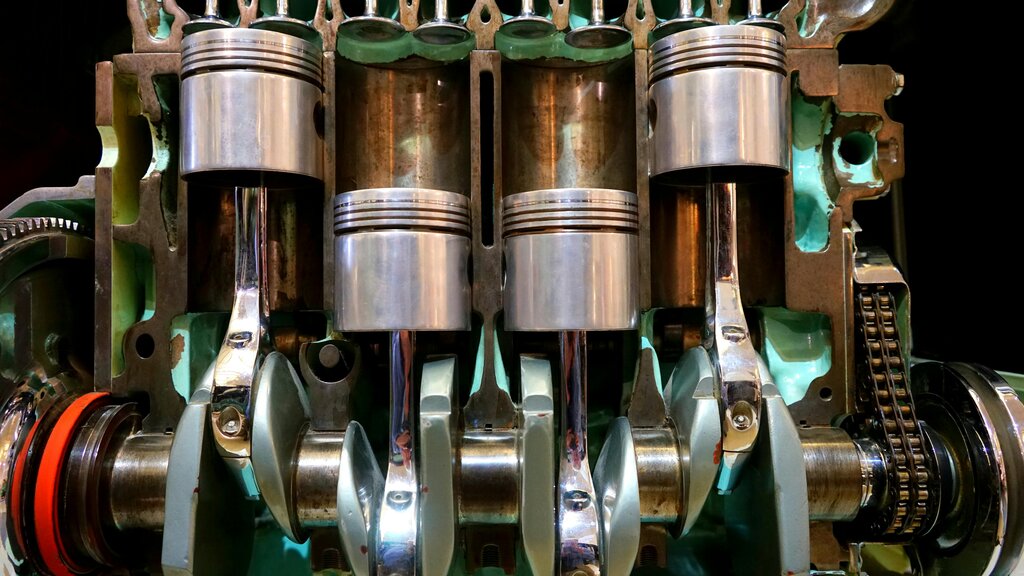
At its heart, an internal combustion engine is a machine that creates power by burning fuel. The key word here is internal. Unlike an old-fashioned steam engine, which burns coal or wood outside the engine to heat water into steam, an internal combustion engine (ICE) creates tiny, controlled explosions directly inside its core.
Most vehicles on the road today rely on the internal combustion engine (ICE), a device that converts the chemical energy in fuel into mechanical power through a series of precise, explosive steps.
This process is all about transforming energy. Fuel, like gasoline or diesel, is packed with chemical energy. When it burns, that chemical energy is rapidly converted into heat and pressure. The engine is cleverly designed to harness this explosive force, channeling the pressure to push mechanical parts and create motion. It’s a chain reaction: chemical energy becomes heat energy, which then becomes the mechanical energy that turns wheels, spins propellers, or drives machinery.
Two Ways to Ignite
While all internal combustion engines work by burning fuel internally, they don't all start the fire the same way. There are two primary methods, which define the two main types of engines you'll encounter.
The first type is the spark ignition engine, which is what you'll find in most gasoline-powered cars. It works by mixing fuel with air, compressing it, and then igniting the mixture with a spark from a spark plug.
The second type is the compression ignition engine, better known as the diesel engine. This engine takes a different approach. It starts by pulling in air and compressing it so intensely that it becomes extremely hot. Only then is fuel injected into the superheated air, where it ignites instantly from the heat alone, no spark plug needed.
| Feature | Spark Ignition (Gasoline) | Compression Ignition (Diesel) |
|---|---|---|
| Ignition Method | Spark plug | Heat from high compression |
| Fuel | Gasoline | Diesel |
| Common Use | Cars, motorcycles, lawnmowers | Trucks, trains, ships, generators |
The Engine of Modern Life
It's hard to overstate the impact of the internal combustion engine. It powers the vast majority of cars, trucks, and buses that move people and goods around the world. It's the workhorse of the construction and agriculture industries, running everything from bulldozers to tractors.
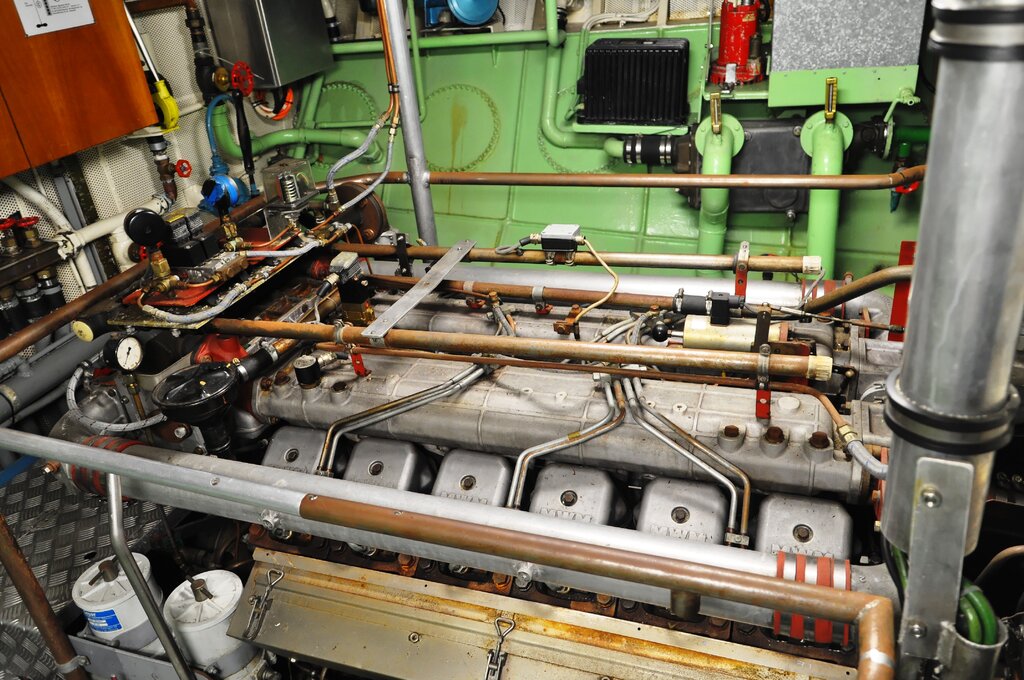
Beyond transportation, these engines are essential for power generation, especially in remote areas or as backup during outages. From small portable generators to massive engines on cargo ships, the principle remains the same: harness the power of controlled combustion to do useful work. Their reliability and power have made them a cornerstone of the modern industrial world.
Now, let's test your understanding of these core concepts.