Captivating Slide Decks
Understanding Audience Engagement
First, Know Your Audience
A presentation isn't just a transfer of information. It's a connection between you and your audience. To make that connection, you have to understand who they are and what they care about. This is the core of an audience-centered approach. Instead of asking, "What do I want to say?" you ask, "What does my audience need to hear?" and "How can I make it interesting for them?"
People have limited attention spans. They are constantly filtering information, deciding what's worth focusing on. If your message doesn't feel relevant to them, they will tune out. Think about what motivates them, what problems they face, and what they already know. Tailoring your content to their perspective is the first step toward keeping them engaged.

Understanding your audience is the cornerstone of any effective presentation.
Once you know who you're talking to, you need a way to present your information so it sticks. Facts and figures are often forgettable on their own. The best way to make them memorable is to wrap them in a story.
Tell a Compelling Story
Humans are wired for stories. A good story creates an emotional connection, making your message more relatable and easier to remember. It provides context and structure, guiding your audience from one point to the next in a way that feels natural.
A simple story structure works well for most presentations:
-
The Beginning: Introduce the problem or the current situation. Set the scene and establish what's at stake. This grabs your audience's attention by presenting a challenge they might recognize.
-
The Middle: Describe the journey to a solution. This is where you introduce your key ideas, data, and insights. Explain the steps taken, the obstacles overcome, and how the solution works.
-
The End: Present the resolution and its benefits. What is the outcome? What should the audience do next? This is your call to action, leaving them with a clear takeaway.
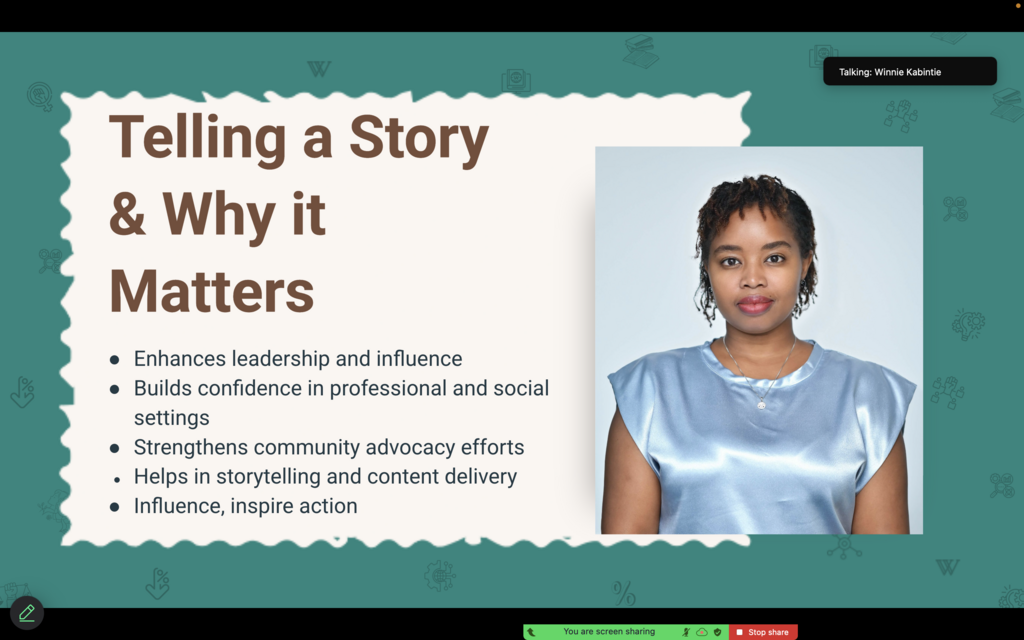
For example, instead of just presenting sales data, you could tell a story about a specific customer who was struggling (the beginning), how your product helped them (the middle), and the success they achieved as a result (the end). This narrative makes the data meaningful.
Make It Interactive
The most effective presentations are conversations, not lectures. Involving your audience directly transforms them from passive listeners into active participants. This doesn't have to be complicated. Simple interactive elements can make a huge difference.
You can ask questions throughout your talk. Rhetorical questions get the audience thinking, while direct questions invite actual responses. A simple "raise your hand if..." is a quick way to conduct an informal poll and make people feel involved.
Another technique is to include a brief activity. This could be a one-minute brainstorm where people jot down ideas related to your topic, or a quick discussion with the person sitting next to them. These small breaks in the flow of your presentation can reset attention and boost energy in the room.
One of the most effective ways to make your PowerPoint presentation engaging is to incorporate interactive elements into your slides, transforming a static presentation into a dynamic and engaging experience for your audience.

By understanding your audience, telling a story, and adding interactive moments, you create a presentation that doesn't just deliver information—it creates an experience. Let's review the key concepts.
Now, test your understanding of these engagement principles.
What is the fundamental question to ask when taking an audience-centered approach to a presentation?
You are presenting a new software feature. According to the recommended story structure, what should you do in the "Beginning" of your presentation?
Keeping these principles in mind will help you build presentations that resonate with your audience and make a lasting impact.