Captivating Slide Decks
Understanding Audience Needs
Start With Your Audience
Before you open any presentation software or even sketch out your first slide, the most critical step is to think about who you're talking to. A brilliant message delivered to the wrong audience, or in the wrong way, will miss the mark every time. The success of your presentation hinges on how well you connect with the people in the room.
Understanding your audience is the cornerstone of any effective presentation.
This means shifting your focus from "What do I want to say?" to "What do they need to hear?" This audience-first approach is what separates a forgettable talk from a truly impactful one. To do this well, you need to dig into who they are.
Demographics and Psychographics
To understand your audience, you need to look at two types of information. The first is demographics—the straightforward, factual data about a group of people. This includes things like their age, job titles, education level, and geographic location. It’s the "who" of your audience in statistical terms.
The second, and often more revealing, layer is psychographics. This goes beyond the facts to uncover their internal world: their values, beliefs, interests, attitudes, and even their frustrations. Psychographics answer the "why"—why they care about certain topics, what motivates them, and what their goals are.
Imagine you're pitching a new project management tool. If your audience is made up of startup founders (demographic), they likely value efficiency, scalability, and saving money (psychographic). If you're presenting to project managers at a large, established corporation (demographic), they might prioritize security, integration with existing systems, and risk management (psychographic). The tool is the same, but the message must change.
| Category | Description | Examples |
|---|---|---|
| Demographics | The "who" – objective, factual data | Age, gender, occupation, income, location, education |
| Psychographics | The "why" – internal values and motivations | Interests, opinions, attitudes, beliefs, lifestyle, goals |
Gauging Their Knowledge and Interest
Once you have a picture of who your audience is, you need to assess what they already know about your topic. Are they complete beginners, seasoned experts, or somewhere in between? This will determine your starting point, the language you use, and how much background information you need to provide.
Speaking over their heads with complex jargon will cause them to disengage. On the other hand, boring them with basics they already know is just as bad. Your goal is to meet them exactly where they are.
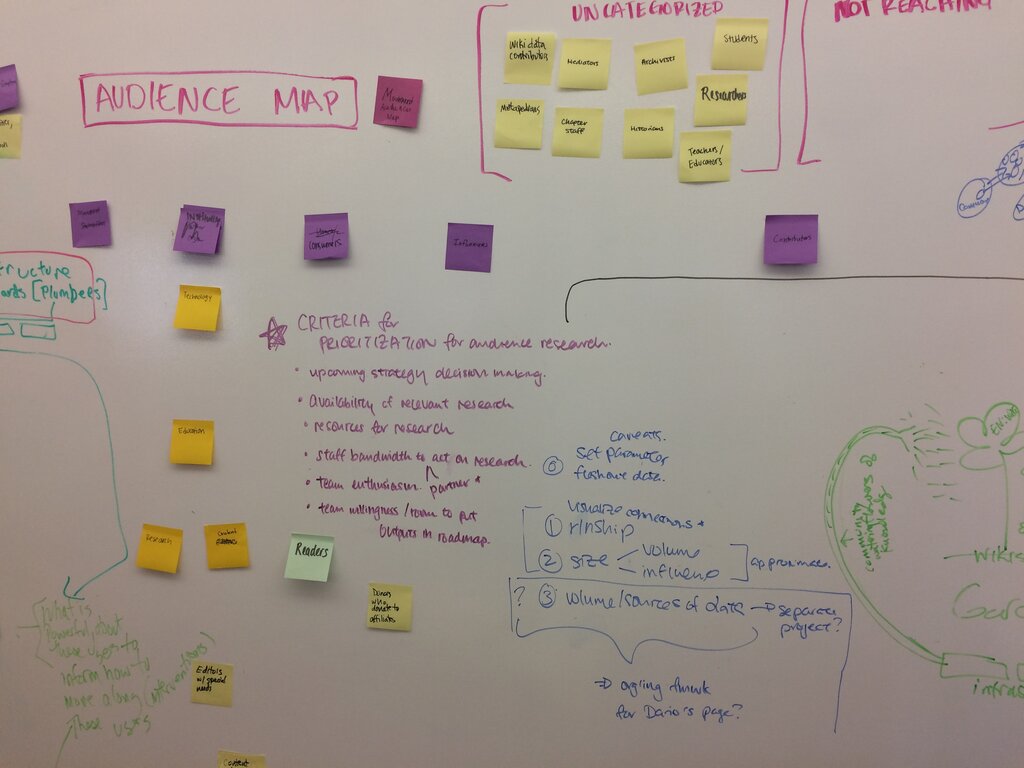
Just as important is figuring out their expectations. Why are they here? What problem are they hoping you'll solve, or what question are they hoping you'll answer? People attend presentations because they expect to gain something: a new skill, a fresh perspective, or a solution to a challenge. If you can identify and address this core expectation, you'll hold their attention.
Techniques for Audience Analysis
Gathering this information doesn't have to be guesswork. There are several practical ways to learn about your audience before you present.
Ask the Organizer: This is your best first step. The person who invited you to speak knows the audience. Ask them about the attendees' job roles, their experience level with the topic, and what they hope the audience will take away from your session.
Pre-Event Surveys: For smaller workshops or webinars, a simple online survey can work wonders. Ask two or three key questions, such as "What is your current role?" "How familiar are you with [your topic]? (Beginner, Intermediate, Expert)" and "What is the one thing you hope to learn from this presentation?"
Social Media Research: Look up attendees on professional networks like LinkedIn. You can get a sense of their job titles, industries, and professional interests. If it's a public event, check the event's social media pages to see who is talking about it and what they're saying.
Arrive Early and Mingle: If you're presenting in person, show up before your talk and chat with a few attendees. Ask them what they do and what brought them to the event. This informal conversation can provide invaluable last-minute insights and help you build rapport.
Investing a little time in understanding your audience is the single best way to ensure your presentation is relevant, engaging, and memorable. It allows you to tailor your message so it lands with maximum impact.