CAPM Certification Fundamentals
Project Management Basics
What Makes It a Project?
Think about the last time you worked on something with a clear start and end. Maybe you planned a wedding, built a shed in your backyard, or developed a new app. Each of these is a project.
Project
noun
A temporary endeavor undertaken to create a unique product, service, or result.
The key words here are temporary and unique. A project isn't routine, ongoing work. For example, assembling a car on an assembly line is an operation—it’s a repetitive process. Designing a brand-new car model, however, is a project. It has a specific goal, a start date, and an end date when the design is complete.
Projects are how companies innovate and grow. They are the vehicles for turning ideas into reality, whether it's building a bridge, launching a marketing campaign, or organizing a conference.
The Role of a Project Manager
If a project is a journey, the project manager is the guide. A project manager is the person responsible for leading the team to achieve the project's goals. They don't do all the work themselves, but they make sure the work gets done successfully.
Their responsibilities are broad and include:
- Planning: Creating a roadmap that outlines what needs to be done, who will do it, and when.
- Leading: Motivating the team, removing obstacles, and keeping everyone focused on the objective.
- Managing Resources: Juggling the project's budget, timeline, and personnel to ensure nothing is wasted.
- Communicating: Keeping everyone, from team members to stakeholders and executives, informed about progress, challenges, and successes.
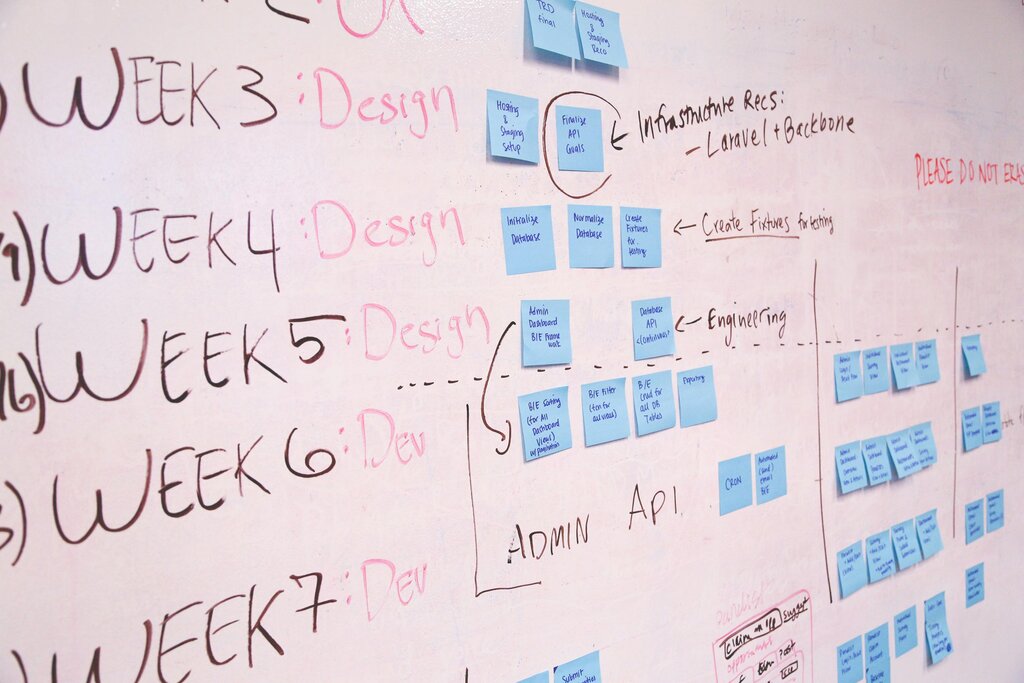
Think of a film director. The director doesn't operate the camera, design the costumes, or write the score. Instead, they coordinate all these different experts to bring a single, cohesive vision to the screen. A project manager does the same, but for business goals.
Why Project Management Matters
Without a structured approach, projects can quickly descend into chaos. Deadlines get missed, budgets spiral out of control, and the final product might not even solve the problem it was supposed to.
Effective project management provides the framework to prevent this. It brings order to complexity. By clearly defining the goal, planning the steps, and managing risks along the way, organizations can deliver results predictably and efficiently.
In short, project management helps ensure that what was promised is actually delivered, on time and on budget.
This structured approach allows teams to focus on their specific tasks, confident that their work fits into a larger, coordinated plan. It turns a great idea into a successful reality.
A Project's Life Cycle
Not all projects follow the same path from start to finish. The path a project takes is called its life cycle. There are several types, but they generally fall into three main categories.
Predictive (Waterfall): This is a traditional approach where the project is fully planned upfront. Each phase (like planning, designing, building, and testing) must be completed before the next one begins. It works well when the end goal is very clear and unlikely to change, like constructing a building from a detailed blueprint.
Adaptive (Agile): This approach is more flexible and iterative. The project is broken down into small, rapid cycles. The team builds and tests a small piece of the project, gets feedback, and then adapts the plan for the next cycle. This is ideal for projects where requirements are expected to change or are not fully understood at the start, such as software development.
Hybrid: As the name suggests, this approach combines elements of both predictive and adaptive models. A project might start with a detailed upfront planning phase (predictive) but then use flexible, iterative cycles for the development and execution phase (adaptive). This allows for a solid foundation while still accommodating change.
The right life cycle depends entirely on the nature of the project. Understanding these different approaches is the first step toward managing any project successfully.