Capital Gains Tax and Property Reconstruction in Chennai
Introduction to Joint Development Agreements
What Is a Joint Development Agreement?
Imagine you own a valuable piece of land in a growing city. You know it could be used for an apartment complex, but you don't have the millions of dollars or the construction expertise to build it yourself. Meanwhile, a property developer is looking for the perfect spot for their next project. They have the resources and know-how, but they don’t own the land.
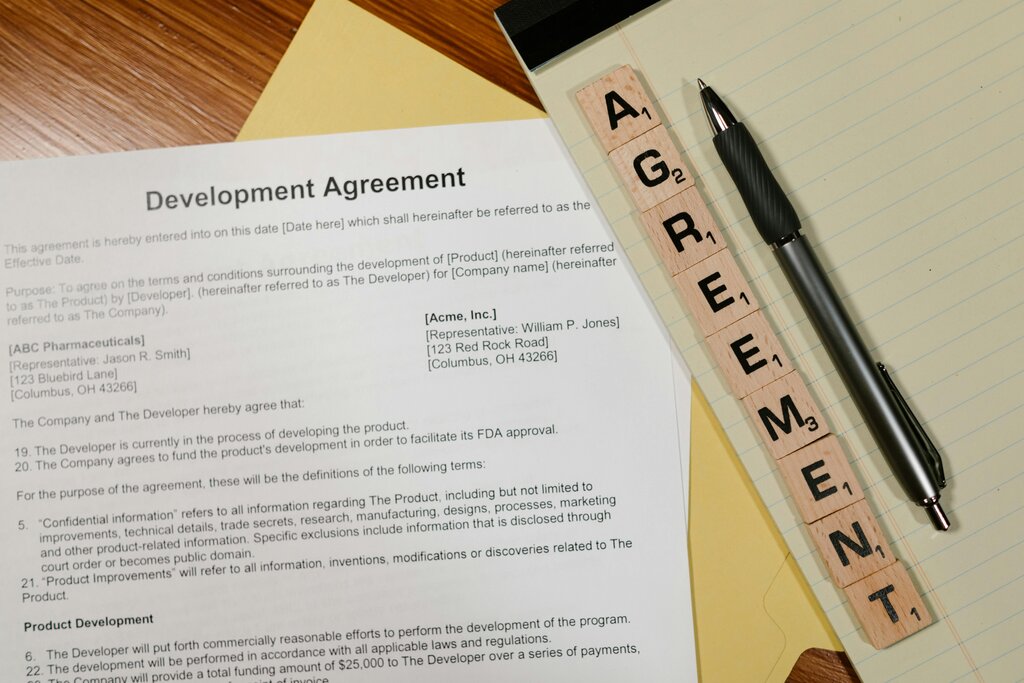
This is a classic scenario where a Joint Development Agreement, or JDA, comes into play. It's a legal contract that brings together a landowner and a developer to collaborate on a real estate project.
Joint Development Agreement
noun
A contract between a landowner and a developer to build a new project on the landowner's property. The landowner contributes the land, and the developer manages and finances the construction.
The core idea is a partnership. Instead of the developer buying the land outright, the landowner contributes it as their share of the investment. In return, the developer takes on the responsibility of planning, financing, and constructing the building. Once the project is complete, the landowner and developer share the newly built property or the profits from its sale.
Roles and Responsibilities
In a JDA, each party has a distinct role. Clear responsibilities are essential to prevent disputes and ensure the project runs smoothly. Think of it as a business partnership where each partner brings something unique to the table.
The landowner provides the foundational asset (the land), while the developer provides the expertise, labor, and capital to bring the project to life.
Let's break down what each side typically handles.
| Party | Key Responsibilities |
|---|---|
| Landowner | Provide clear, unencumbered title to the land. Grant the developer Power of Attorney to obtain necessary project approvals. Cooperate with the developer during the project. |
| Developer | Secure all project financing. Obtain all required permits and licenses. Manage the entire construction process from design to completion. Market and sell the developed units. |
Key Parts of the Agreement
A well-drafted JDA is detailed and covers all predictable aspects of the project. It serves as a roadmap for the entire development process. While specifics vary, most agreements include several standard components.
One of the most critical sections is the sharing ratio. This defines how the completed property or profits will be divided. It could be a 60/40 split in favor of the developer, a 50/50 split, or any other ratio agreed upon. The ratio often depends on the land's value, location, and the project's potential profitability.
Another key element is granting a Power of Attorney (PoA) to the developer. This is a legal document that authorizes the developer to act on the landowner's behalf for specific tasks, like applying for building permits or connecting utilities. A 'specific' PoA is usually preferred over a 'general' one, as it limits the developer's authority strictly to actions related to the project, protecting the landowner's interests.
Other essential clauses include:
- Project Timeline: Clear start and end dates for construction, with penalties for delays.
- Development Specifications: Details about the building's design, materials, and amenities.
- Force Majeure: A clause that addresses unforeseeable events (like natural disasters) that could halt the project.
- Dispute Resolution: A plan for how disagreements will be handled, often through arbitration.
Benefits and Challenges
JDAs offer significant advantages for both parties, but they aren't without risks. Understanding the pros and cons is crucial before entering into such a long-term commitment.
| Benefits | Challenges |
|---|---|
| For the Landowner: Gets a valuable asset built without personal investment. | For the Landowner: Risk of project delays or poor construction quality. |
| For the Developer: Acquires land for development without a large upfront purchase. | For the Developer: Bears the full financial risk if the project fails or costs escalate. |
| For Both: Both parties share in the profits of a successful project. | For Both: Potential for disputes over the sharing ratio or project management. |
A successful JDA hinges on trust, transparency, and a meticulously drafted agreement that protects the interests of both the landowner and the developer. When structured correctly, it's a powerful tool for creating value where none existed before.
What is the primary contribution of the landowner in a Joint Development Agreement (JDA)?
Why is a 'specific' Power of Attorney (PoA) preferred over a 'general' one in a JDA?