Capital Allocation for Energy Infrastructure
Energy Infrastructure Basics
The Journey of Electricity
Flipping a light switch is simple, but the journey electricity takes to reach you is complex. It involves a massive, interconnected network called the power grid. Think of it as a highway system for electricity, with three main stages: generation, transmission, and distribution.
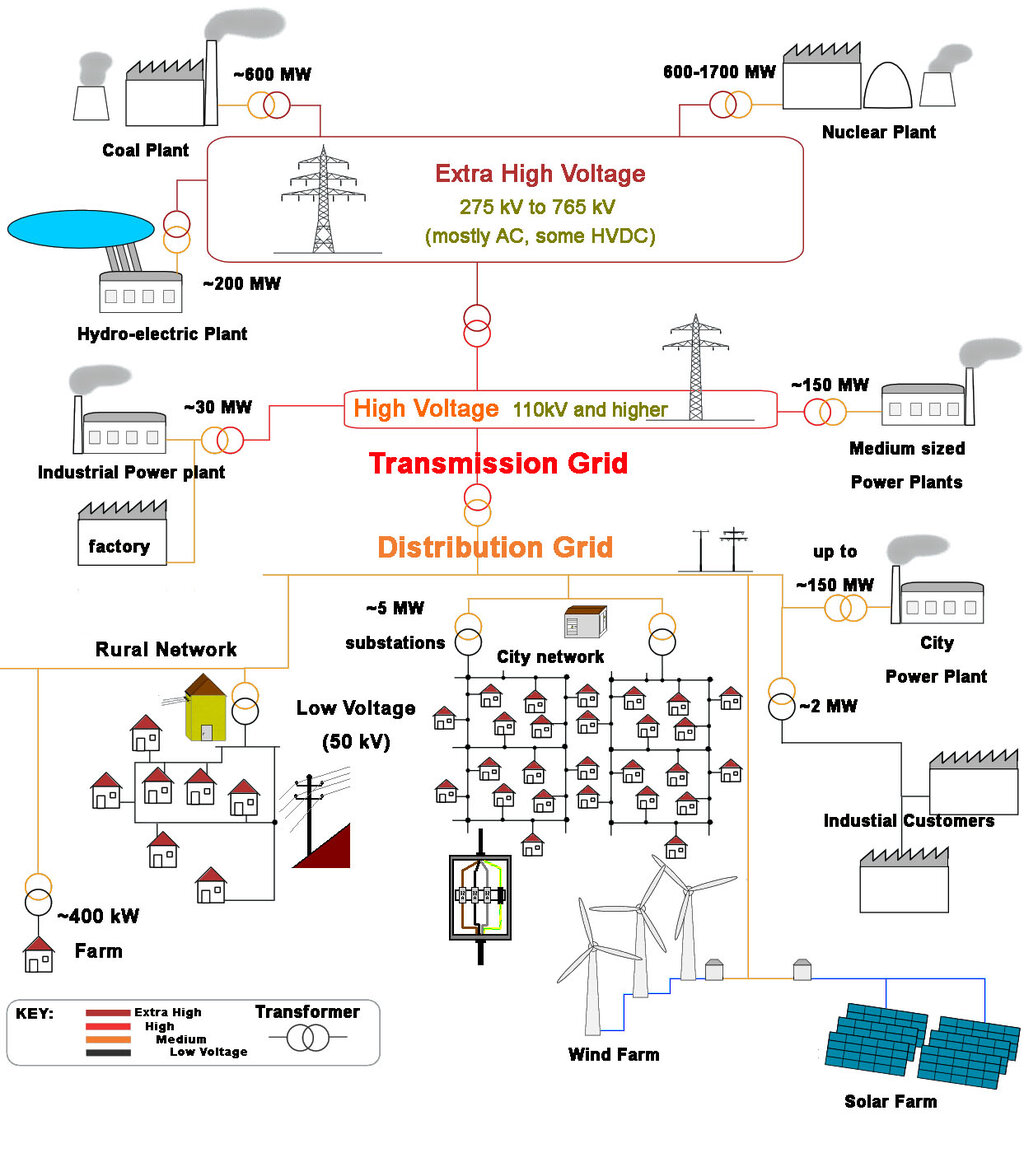
Generation is where the electricity is created. Power plants generate it using various sources, like burning coal or natural gas, splitting atoms in a nuclear reactor, or harnessing the power of wind, water, or the sun.
Transmission is the long-haul journey. To move electricity efficiently over great distances from the power plant, its voltage is increased dramatically. This high-voltage electricity travels along thick cables held up by tall metal structures called transmission towers.
Distribution is the final mile. Before the electricity can be used in your home, it needs to be made safe. It arrives at a local substation, where transformers reduce the voltage. From there, smaller power lines, often seen on wooden poles along streets, carry the electricity to individual homes and businesses.
Who Keeps the Lights On?
Managing this vast network is the job of utility companies. These are the organizations responsible for making sure that when you need power, it's there. Whether they are government-owned or private businesses, their fundamental role is the same.
A utility's core mission is to operate and maintain the grid, ensuring a reliable and safe supply of energy to customers around the clock.
Beyond just keeping the system running, utilities handle everything from installing and reading meters to managing customer billing and responding to power outages. They also have a crucial forward-looking role: planning for future energy needs. This involves forecasting how much electricity a community will require in the coming years and investing in new power plants, transmission lines, and other infrastructure to meet that demand.
Powering Economic Growth
A reliable energy infrastructure isn't just a convenience; it's a cornerstone of a modern economy. Nearly every economic activity depends on it. Factories need electricity to run machinery, offices need it to power computers and lights, and farms need it for irrigation and equipment. Without a steady supply of power, businesses can't operate, productivity falls, and economic growth stalls.
Investing in energy infrastructure is essentially investing in economic potential. When a country builds new power plants or upgrades its grid, it's not just creating construction jobs. It's also laying the groundwork for new industries to emerge and existing ones to expand. A stable power supply attracts investment, enables businesses to operate efficiently, and ultimately raises the standard of living for everyone.
What is the correct sequence of stages for electricity traveling from a power plant to a home?
Why is the voltage of electricity increased significantly during the transmission stage?
This foundational infrastructure is what makes our modern world possible, turning distant energy sources into the power that fuels our daily lives and economies.