Cap Table Management and Equity Dilution
Cap Table Basics
Who Owns Your Company?
A capitalization table, or cap table, answers that question. It’s a detailed record of your company's ownership structure. Think of it as a ledger that tracks who owns what piece of the business, from the founders to the newest employee with stock options.
A cap table is essentially a spreadsheet that outlines the ownership stakes in a company.
This isn’t just about record-keeping. The cap table is a critical tool for making smart financial decisions. When you’re thinking about raising money, hiring key employees with equity, or even planning an exit, the cap table provides a clear picture of the company's financial health and ownership distribution. It shows how the pie is currently sliced and helps you model how future decisions will slice it further.
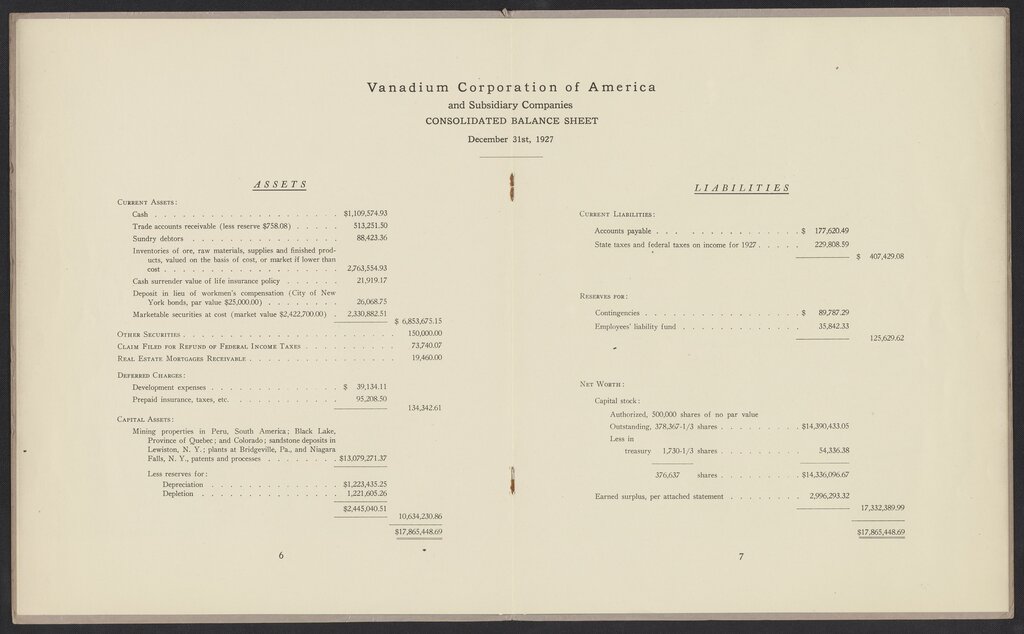
Keeping it clean and up-to-date is crucial. A messy or inaccurate cap table can create serious problems, leading to legal disputes with investors or confusion when distributing proceeds from a sale. A well-managed cap table builds trust and makes fundraising smoother.
The Building Blocks of Ownership
A cap table tracks several different types of securities, which are financial instruments that represent ownership or the potential for ownership. The most fundamental type is stock.
common stock
noun
The most basic form of ownership in a company. Common stockholders typically have voting rights, giving them a say in company decisions. Founders and employees are often the primary holders of common stock.
Investors, however, usually receive a different class of shares.
preferred stock
noun
A class of ownership that has certain rights and privileges over common stock. Holders of preferred stock often get paid back their investment first in a sale or liquidation, but they might not have voting rights.
Beyond direct stock ownership, cap tables also track securities that can be converted into stock in the future. These are important because they represent potential future ownership.
| Security Type | Who Holds It? | Key Feature |
|---|---|---|
| Stock Options | Employees, executives, advisors | The right to buy stock at a predetermined price (the strike price) later on. |
| Warrants | Investors, lenders, partners | Similar to options, but often have a longer term and are used in different financial arrangements. |
| Convertible Securities | Early-stage investors | A loan that can be converted into equity, usually during a future funding round. A common example is a convertible note. |
Each of these components represents a claim on the company's equity. An accurate cap table accounts for all of them, providing a complete and “fully diluted” view of ownership. This means it shows what ownership would look like if all options, warrants, and convertible securities were exercised and converted into stock today.
A clean, clear cap table builds investor trust, speeds up funding, and helps founders stay in control.
Ultimately, the cap table is a living document. It evolves as the company grows, raises capital, and hires new talent. Managing it carefully from day one is one of the most important financial disciplines a founder can practice.