Cap Table Management and Equity Dilution
Introduction to Startup Equity
What Is Startup Equity?
Think of a startup as a whole pizza. Equity represents a slice of that pizza. If you own equity, you own a piece of the company. It’s a direct stake in the business's present and future value. The more valuable the company becomes, the more your slice is worth.
Equity
noun
The value of the shares issued by a company, representing ownership.
For a new company, cash is often tight. Big salaries and fancy perks aren't usually an option. So how do they attract talented employees and secure funding from investors? They use equity.
By offering a piece of the company, startups can convince people to join their mission. It’s a way of saying, "We can't pay you a lot in cash right now, but if you help us build this company, your ownership stake could be worth a lot of money someday." It aligns everyone's incentives: if the company succeeds, everyone with equity shares in that success.
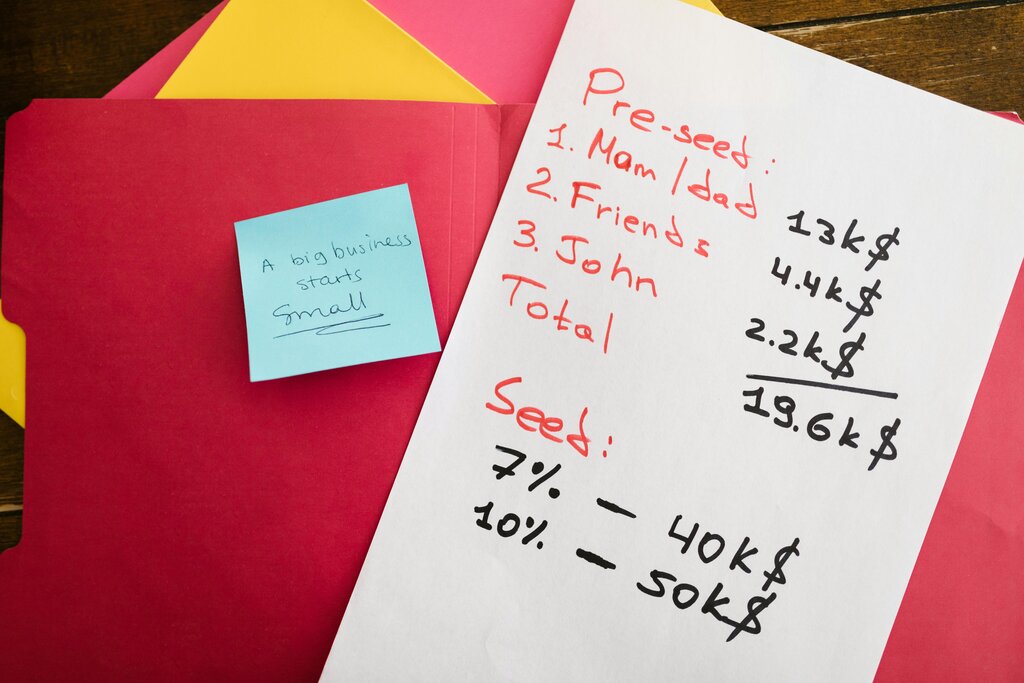
Equity, typically in the form of stock options, is the currency of the tech and startup worlds.
Types of Equity
Just like a pizza can have different toppings on different slices, not all equity is the same. The type of equity you hold determines your rights and potential returns. The three most common forms you'll encounter are common stock, preferred stock, and stock options.
Common Stock
noun
A type of security that represents ownership in a corporation and gives the holder voting rights in company decisions.
Common stock is the most basic form of equity. It’s what founders typically have and what employees often receive. Holders of common stock are the ultimate owners of the company. They usually have the right to vote on major company decisions, like electing the board of directors. However, they are last in line to get paid if the company is sold or liquidated.
Investors, on the other hand, usually receive preferred stock. This type of stock comes with special rights and protections. The most important one is liquidation preference, which means that in a sale, preferred stockholders get their investment back—and sometimes more—before common stockholders see a dime. This reduces the risk for investors. In exchange for this safety, they often give up the voting rights that come with common stock.
Preferred stock offers downside protection for investors, while common stock offers upside potential for founders and employees.
Finally, there are stock options. These are not quite stock yet. Instead, a stock option is the right to buy a certain number of shares at a predetermined price, called the "strike price" or "exercise price." This price is usually set to the stock's fair market value when the options are granted.
Companies grant options to employees as a form of compensation. The idea is simple: if the employee helps the company grow and the stock's value increases, they can later buy the stock at the original, lower strike price and profit from the difference. This structure gives employees a powerful incentive to stay with the company and work towards its success.
| Equity Type | Who Gets It? | Key Feature |
|---|---|---|
| Common Stock | Founders, Employees | Basic ownership with voting rights |
| Preferred Stock | Investors | Gets paid out first in a sale |
| Stock Options | Employees, Advisors | The right to buy stock at a fixed price |
Understanding these basic building blocks is the first step in grasping how startups are built and funded. Equity is the fuel that powers a new venture, aligning the interests of founders, investors, and employees toward a common goal.