Cannabis and Glaucoma Treatment
Glaucoma Basics
The Pressure Inside Your Eye
Your eye is a bit like a tiny, self-inflating ball. It's filled with a fluid called aqueous humor, which is constantly being produced and drained away. This process creates a stable pressure inside your eye, known as intraocular pressure (IOP). This pressure helps the eye maintain its round shape, which is essential for clear vision.
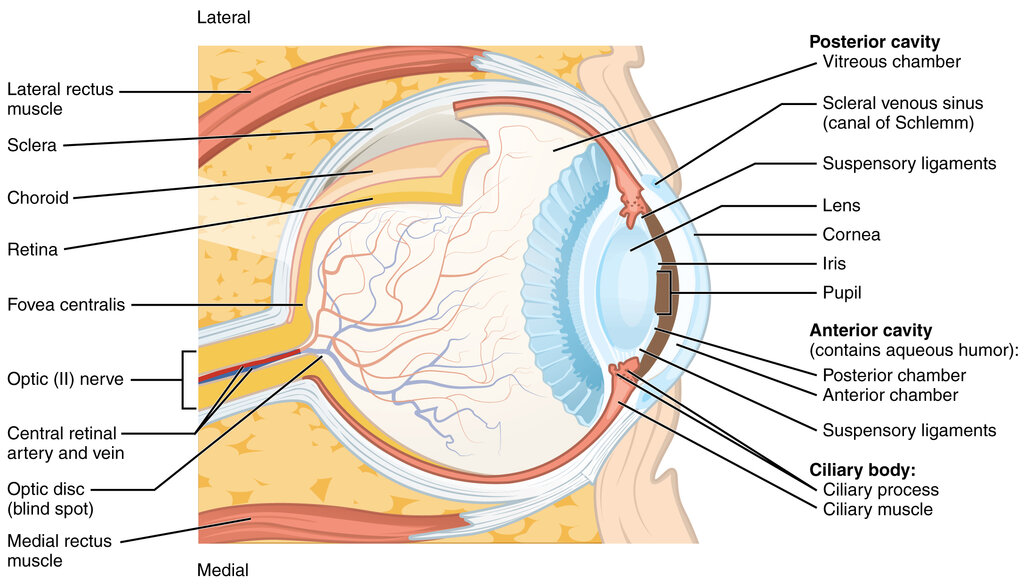
Glaucoma is a group of eye diseases that occur when this delicate balance is disturbed. Most often, the drainage system in the eye gets clogged, preventing the aqueous humor from draining properly. Fluid builds up, and the pressure inside the eye increases.
This elevated pressure pushes on the optic nerve, the bundle of more than a million nerve fibers that connects your retina to your brain. Over time, this pressure damages the nerve fibers, causing them to die off. As they do, blind spots begin to develop in your vision.
optic nerve
noun
The nerve that transmits visual information from the retina to the brain.
Types of Glaucoma
While there are many types of glaucoma, two are the most common: open-angle and angle-closure.
Open-Angle Glaucoma This is the most prevalent form, accounting for at least 90% of all glaucoma cases. It progresses slowly and painlessly. The eye's drainage angle—where the iris meets the cornea—remains open, but the drainage canals (the trabecular meshwork) become less efficient over time. The pressure builds gradually, and the damage is so slow that you might not notice changes in your vision until the disease is quite advanced.
Angle-Closure Glaucoma Also known as narrow-angle glaucoma, this type is much less common but can be very sudden and severe. It happens when the iris bulges forward, physically blocking the drainage angle. This prevents fluid from circulating out of the eye and causes a rapid, sharp increase in eye pressure.
An acute angle-closure attack is a medical emergency. Symptoms are dramatic and include:
- Severe eye pain
- Nausea and vomiting
- Sudden blurry vision
- Seeing halos or colored rings around lights
- Redness in the eye
If you experience these symptoms, seek immediate medical attention to prevent permanent vision loss.
Risk Factors and Detection
Because open-angle glaucoma often has no symptoms in its early stages, knowing the risk factors is crucial. You are at a higher risk if you:
- Are over the age of 60
- Have a family history of glaucoma
- Are of African, Hispanic, or Asian descent
- Have high blood pressure, diabetes, or heart disease
- Are very nearsighted
Regular eye exams are the key to early detection. During a comprehensive exam, an eye doctor will measure your intraocular pressure, inspect your eye's drainage angle, examine your optic nerve for damage, and test your peripheral vision.
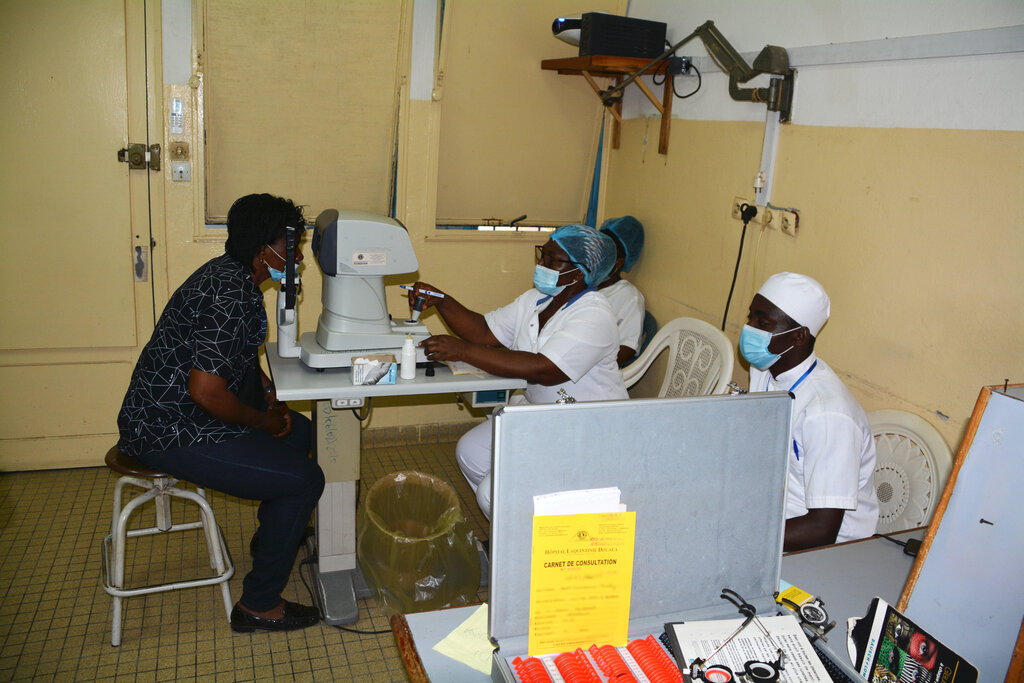
Catching glaucoma early allows for treatment that can protect your vision. While there's no cure, treatments like prescription eye drops, laser therapy, or surgery can effectively lower eye pressure and slow the disease's progression. The goal is to save the sight you still have, as vision already lost to glaucoma cannot be recovered.
What is the primary mechanism that leads to vision loss in glaucoma?
A person suddenly experiences severe eye pain, nausea, and sees colored rings around lights. What condition do these symptoms most strongly suggest?
Understanding the basics of glaucoma is the first step in protecting your vision for a lifetime.