Canadian Universities Explained
Understanding Canadian University Systems
Canada's Higher Education Landscape
Unlike in many other countries, there is no single federal education system in Canada. Instead, each of the ten provinces and three territories is responsible for its own post-secondary education. This means rules, funding, and the structure of universities and colleges can vary from one side of the country to the other.
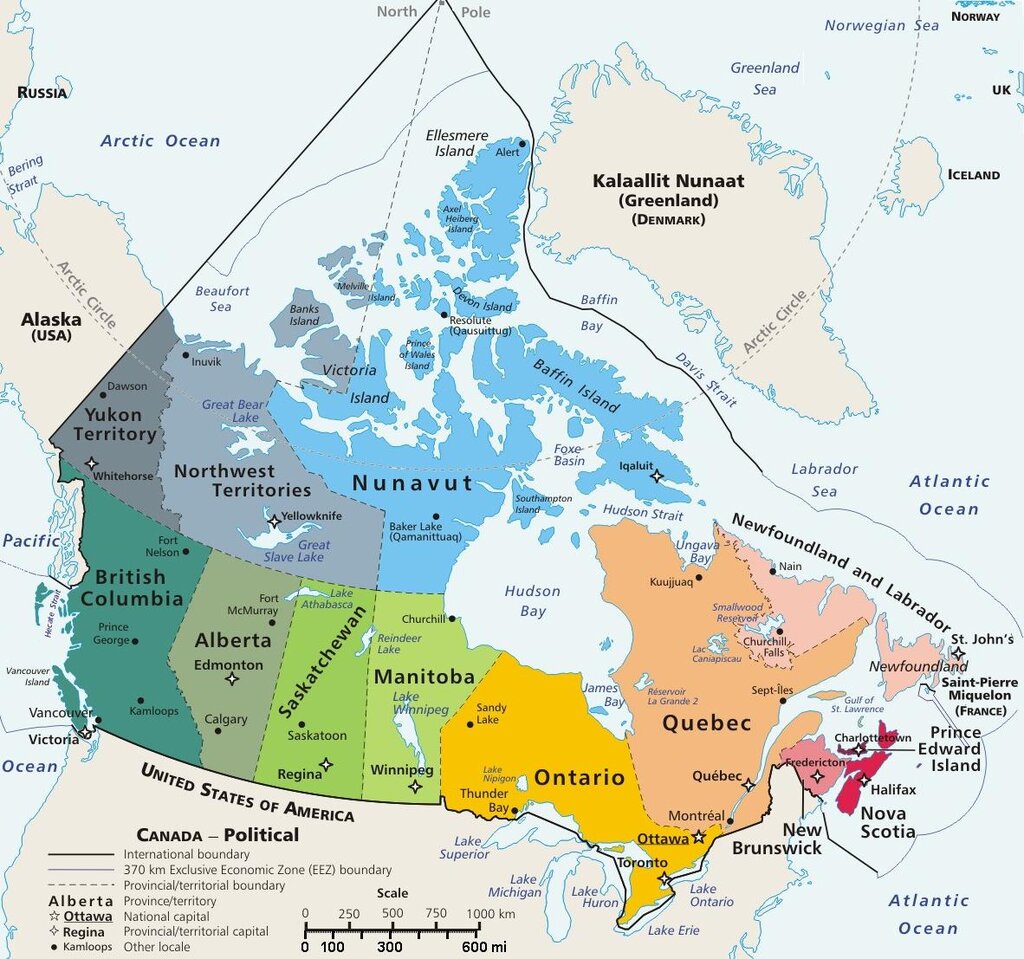
This provincial control ensures that education is tailored to the local economy and culture. A provincial ministry of education oversees all post-secondary institutions, setting quality standards and policies. While this creates diversity, there's a high degree of consistency in the quality of education across the country, thanks to shared standards and accreditation.
Universities vs Colleges
Canada has two main types of post-secondary institutions: universities and colleges. While the lines can sometimes blur, they serve different primary purposes.
Universities are primarily focused on academic and research-based education. They are authorized to grant degrees, such as bachelor's, master's, and doctorates. The learning here often emphasizes theory, critical thinking, and research.
Colleges, on the other hand, typically offer more career-focused and vocational training. They provide practical, hands-on skills for specific jobs. Programs usually lead to diplomas, certificates, or associate degrees. Some colleges have partnerships with universities that allow students to transfer credits, and a growing number can now grant their own bachelor's degrees in certain fields.
A simple way to think about it: universities often focus on the 'why,' while colleges focus on the 'how.'
Degrees and Credentials
The credentials offered by Canadian institutions are recognized worldwide. Here's a quick breakdown of the most common types you'll encounter.
| Credential | Typical Length | Institution Type |
|---|---|---|
| Certificate | 1 year | College |
| Diploma | 2-3 years | College |
| Bachelor's Degree | 4 years | University |
| Master's Degree | 1-2 years | University |
| Doctoral Degree (PhD) | 4-6 years | University |
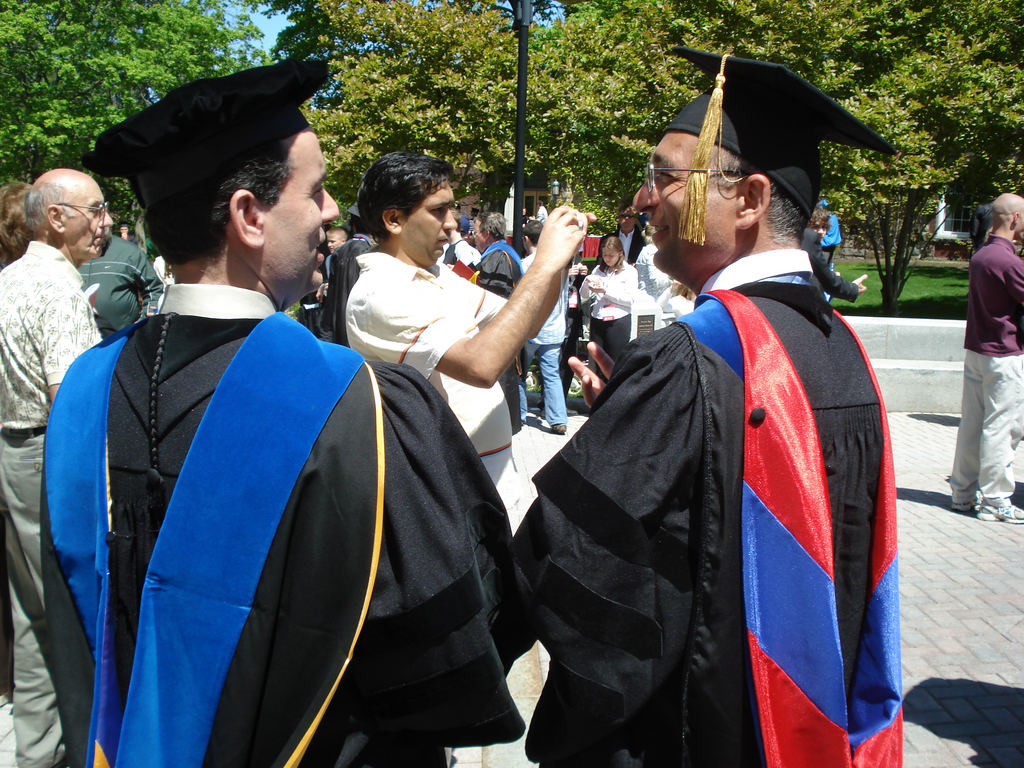
A Bachelor's degree is the standard undergraduate credential required for many professional careers and for entry into most graduate programs. A Master's degree provides specialized knowledge in a particular field, while a Doctoral degree is the highest level of academic achievement, focused on original research.
The Academic Year
Most Canadian universities and colleges follow a similar academic calendar. The main school year typically runs from September to April and is divided into two terms or semesters.
- Fall Term: September to December
- Winter Term: January to April
Many institutions also offer an optional spring or summer semester from May to August. This session usually has a more limited selection of courses and allows students to catch up, get ahead, or take a break.
Understanding this rhythm is key, as application deadlines and program start dates are all based on this calendar.
Who is primarily responsible for overseeing and managing post-secondary education in Canada?
What is the main distinction between universities and colleges in Canada?
With this foundation, you now have a clearer picture of how higher education is organized in Canada. This structure of provincial oversight, distinct institutional roles, and a standardized academic calendar creates a robust and respected educational system.