Canadian Fires Act Explained
Introduction to Fire Safety in Canada
Understanding Fire
Every fire needs three things to start: heat, fuel, and oxygen. Think of it as a simple recipe. Heat provides the energy, fuel is what burns, and oxygen allows the fuel to combust. Remove any one of these, and the fire goes out. This concept is famously known as the fire triangle.
Scientists sometimes add a fourth element: a sustained chemical chain reaction. This turns the triangle into a tetrahedron. For most everyday purposes, though, remembering heat, fuel, and oxygen is what counts. Understanding this basic principle is the first step toward preventing and controlling fires.
Common Canadian Hazards
Canada's distinct seasons bring their own fire risks. In winter, we rely on furnaces, space heaters, and fireplaces to stay warm. These are essential, but they are also leading sources of home fires. It's crucial to have them inspected regularly and to keep flammable objects like blankets and curtains at a safe distance. Overloaded electrical outlets, especially during the holidays, are another common winter hazard.
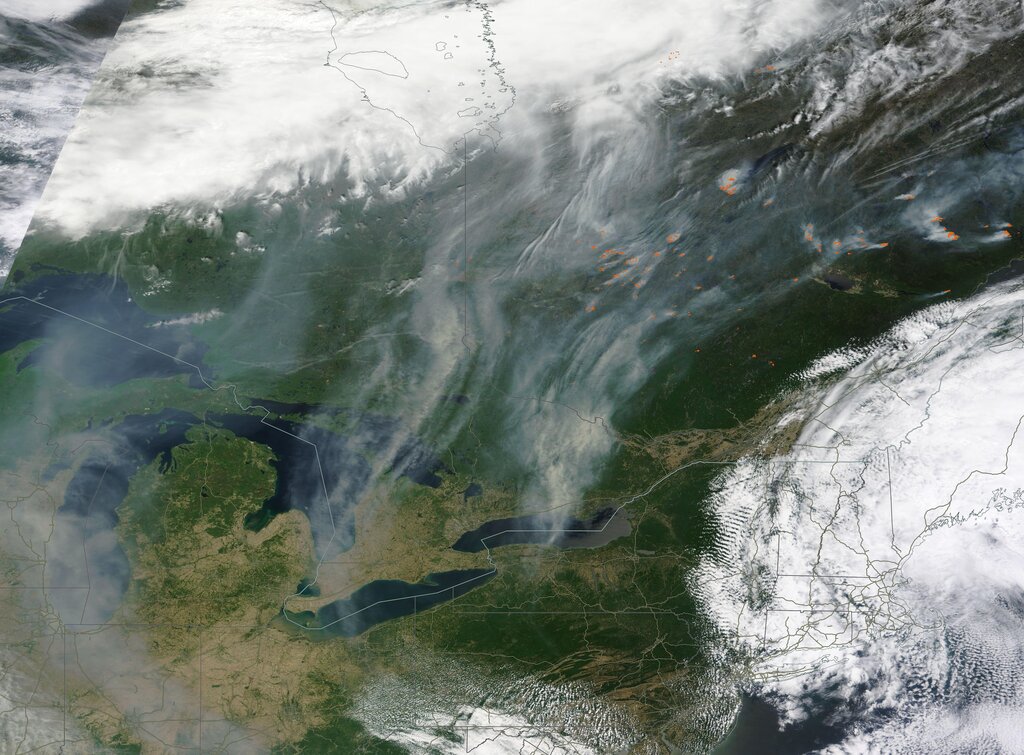
Summer brings the threat of wildfires, a major concern across the country. Drier conditions and lightning strikes can ignite vast areas of forest. Human carelessness is also a significant factor, with unattended campfires and discarded cigarettes causing many preventable blazes.
Year-round, the most common cause of house fires is cooking. An unattended pot on the stove can quickly turn into a dangerous situation. Other risks include smoking indoors, candles left burning, and faulty wiring.
Prevention Is Key
A few simple habits can dramatically reduce your risk of a fire. In the home, the most important tool you have is a working smoke alarm. You should have one on every level of your home and outside all sleeping areas. Test them monthly and change the batteries at least once a year.
Have a home escape plan and practice it with everyone you live with. Know at least two ways out of every room. In a fire, get out and stay out.
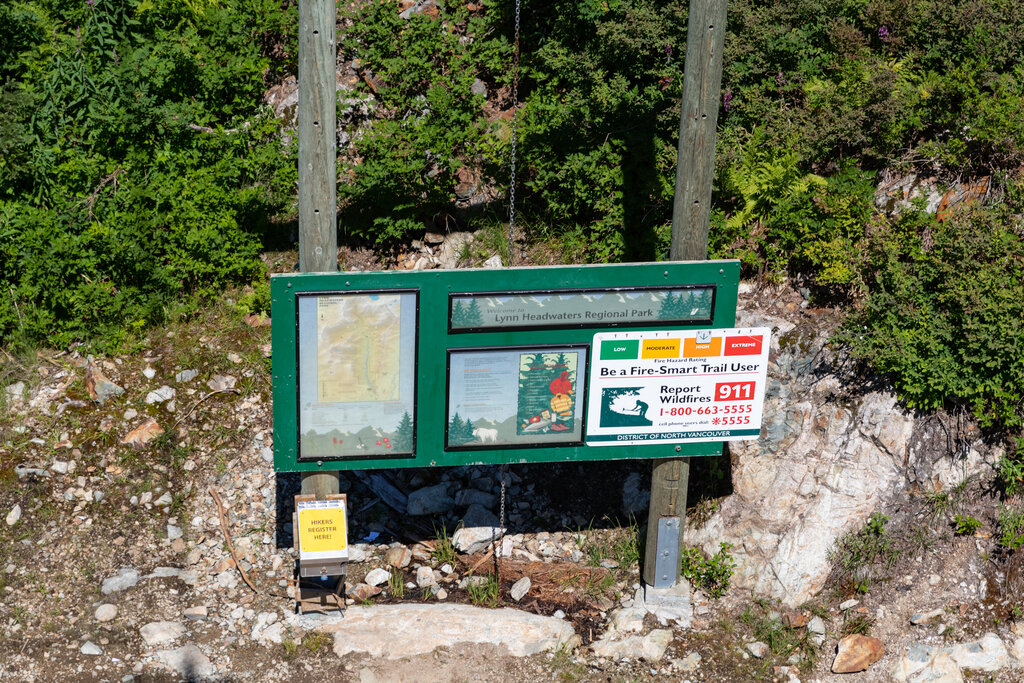
When you're outdoors, especially in forested areas, fire smarts are essential. Always check for local fire bans before starting a campfire. When you do have one, keep it small and never leave it unattended. To put it out completely, drown it with water, stir the ashes, and feel for any remaining heat.
| Location | Prevention Tip |
|---|---|
| Kitchen | Never leave cooking unattended. |
| Bedroom | Don't smoke in bed. |
| Living Room | Keep space heaters 1 metre from anything flammable. |
| Outdoors | Douse campfires with water until cold. |
Who's in Charge of Fire Safety?
In Canada, fire safety is a shared responsibility between different levels of government. At the federal level, organizations like Public Safety Canada help coordinate national responses to large-scale emergencies, including major wildfires. Natural Resources Canada conducts important research on fire science and monitors wildfire risks across the country.
Day-to-day fire prevention and regulation happen at the provincial and territorial level. Each province has an Office of the Fire Marshal or a similar body. These offices are responsible for creating and enforcing the provincial fire code, which sets safety standards for buildings. They also investigate the causes of serious fires and run public education campaigns.
Of course, local fire departments are on the front lines. They respond to emergencies, conduct building inspections, and are often the most visible source of fire safety education in our communities.
Time to review what you've learned.
What are the three essential components required for a fire to start, as described by the fire triangle?
What is the most common cause of house fires year-round?