Canadian ETFs Explained
Introduction to ETFs
What Is an ETF?
Think of an Exchange Traded Fund, or ETF, as a basket holding many different investments. Instead of buying one company's stock, you can buy a single share of an ETF, which gives you a small piece of all the assets inside that basket. These assets could be stocks from dozens of companies, bonds, or commodities like gold.
This structure makes it simple to invest in a whole sector of the economy at once. For example, you could buy an ETF that tracks the S&P 500 index, instantly investing you in 500 of the largest U.S. companies. It’s a way to own a diverse collection of assets without having to purchase each one individually.
Exchange Traded Fund
noun
A type of investment fund and exchange-traded product. ETFs are traded on stock exchanges, much like stocks.
How They Trade
The "exchange traded" part of the name is key. Unlike traditional mutual funds, which are priced only once at the end of each trading day, ETFs trade on stock exchanges just like individual stocks. This means you can buy or sell them at any point during market hours.
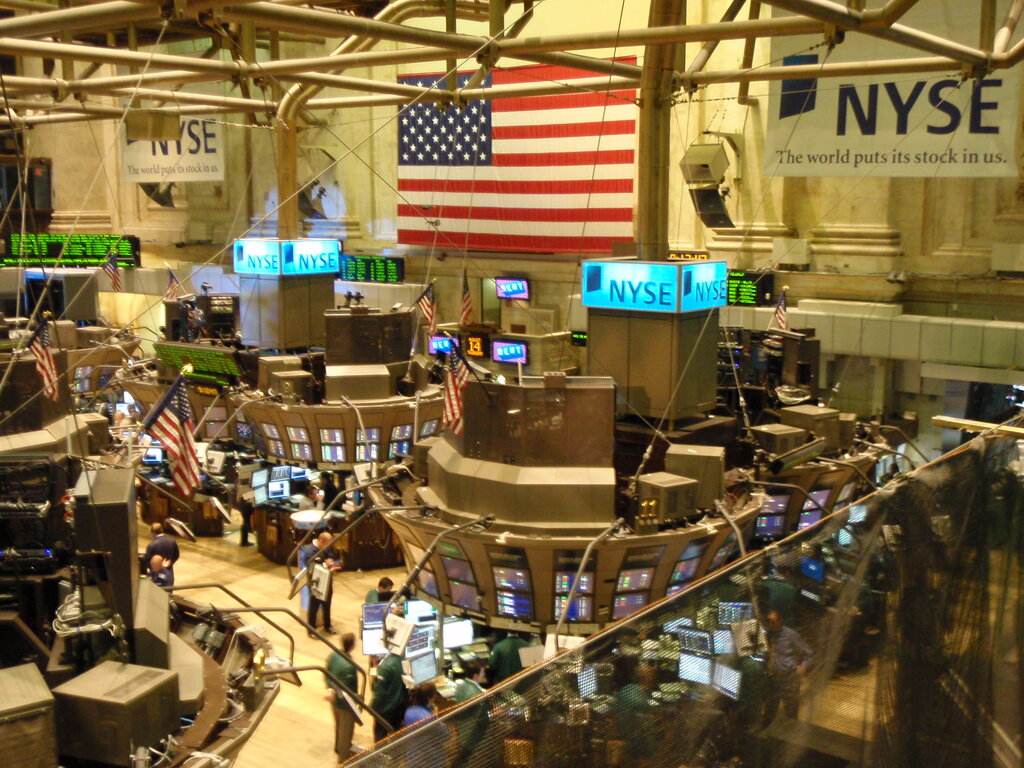
Their prices fluctuate throughout the day based on supply and demand. This feature provides flexibility and transparency, as you can see the price of an ETF in real-time and decide when you want to make a move. This ease of trading is a major reason for their popularity.
The Big Benefits
ETFs offer several advantages, especially for new investors. The three main benefits are diversification, low costs, and liquidity.
Diversification: Don't put all your eggs in one basket. ETFs spread your investment across many assets, which helps reduce risk. If one company in the fund performs poorly, the impact on your overall investment is softened by the others.
Cost Efficiency: ETFs typically have lower management fees, known as expense ratios, compared to many actively managed mutual funds. This is because most ETFs are designed to passively track an index rather than paying a team of analysts to pick winning stocks. Lower fees mean more of your money stays invested and working for you.
Liquidity: This refers to how easily an asset can be bought or sold. Because ETFs trade on stock exchanges, they are highly liquid. You can quickly convert your ETF shares to cash during any trading day, which isn't always the case with other types of investments.
For beginners, starting with ETFs or index funds provides diversification and reduces the risks associated with relying on a single company's performance.
Time to review what we've learned.
Ready to test your knowledge?
What is the primary characteristic of an Exchange Traded Fund (ETF)?
How does the trading of an ETF differ from that of a traditional mutual fund?
By offering a simple, flexible, and low-cost way to invest, ETFs have opened the doors for many people to build a diversified portfolio.