Canada Border Services Agency Explained
Introduction to CBSA
Canada's Gatekeepers
The Canada Border Services Agency, or CBSA, is a relatively young organization. It was created in 2003, in the wake of heightened global security concerns. Before its existence, the job of managing Canada's borders was split among three different departments: the Canada Customs and Revenue Agency, Citizenship and Immigration Canada, and the Canadian Food Inspection Agency.
This separation created gaps and inefficiencies. The government decided to bring all border-related duties under one roof. The goal was to create a single, coordinated agency responsible for the flow of goods and people into and out of Canada. This consolidation aimed to enhance security and streamline processes for travelers and businesses alike.
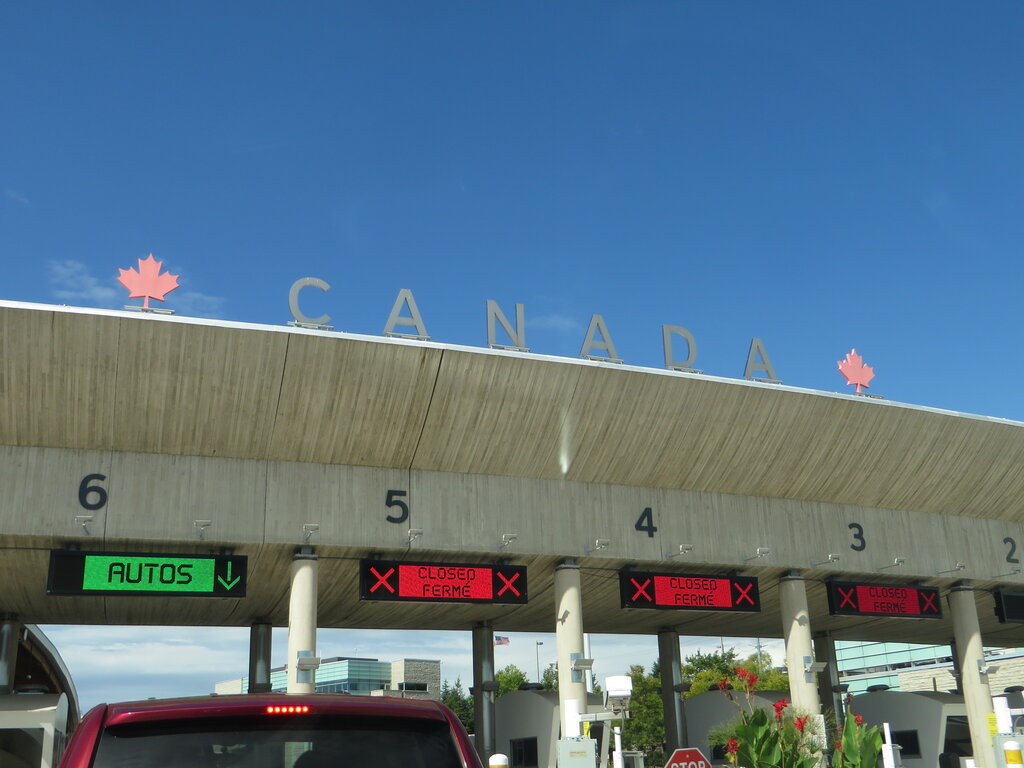
Structure and Responsibilities
The CBSA is a large, complex organization. Think of it like a company with several distinct divisions, each with a specialized role. These divisions, called branches, work together to fulfill the agency's core mission. At the top is the President, who reports to the Minister of Public Safety and Emergency Preparedness.
| Branch | Key Responsibilities |
|---|---|
| Operations | The frontline of the CBSA. Manages all ports of entry: land, air, and sea. |
| Programs | Develops the policies and procedures that frontline officers follow. |
| Strategic Policy | Manages international agreements and long-term planning for the agency. |
| Corporate Affairs | Handles internal functions like finance, human resources, and communications. |
| Information, Science & Technology | Manages the technology systems essential for border management. |
The CBSA has a wide-ranging set of duties, known as its mandate. This includes everything from collecting duties and taxes on imported goods to preventing inadmissible people from entering the country. It enforces over 90 different acts and regulations on behalf of other government departments.
The CBSA's mandate is dual-focused: facilitating legitimate trade and travel while stopping threats at the border.
Working Together for Safety
The CBSA doesn't operate in a vacuum. It is a key piece in Canada's larger public safety and security puzzle, working closely with many other federal bodies. This collaboration is crucial for a secure and efficient border.
For example, if CBSA officers suspect someone at the border is involved in criminal activity, they will work with the Royal Canadian Mounted Police (RCMP). On immigration matters, they collaborate closely with Immigration, Refugees and Citizenship Canada (IRCC). For national security threats, they share information with the Canadian Security Intelligence Service (CSIS). All of these efforts are coordinated under the umbrella of Public Safety Canada, the department responsible for the nation's overall security.
This network of agencies ensures that information flows where it's needed, helping to keep Canada safe.
Time to check what you've learned about the CBSA.
In what year was the Canada Border Services Agency (CBSA) established?
What was the primary reason for creating the CBSA?
You've now seen how the CBSA was formed, how it's structured, and how it fits into Canada's national security framework.