Can You Speak Russian
Understanding Russian Language Basics
The Russian Alphabet
The first step into Russian is learning its alphabet, called Cyrillic. It might look intimidating, but it’s more familiar than you think. Many letters are borrowed from Greek and Latin, so you'll recognize some old friends. Others are new, but with a little practice, they'll become second nature.
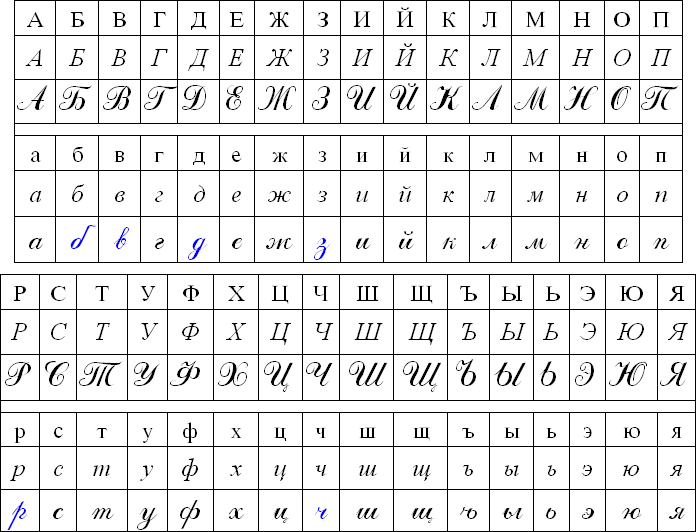
A good way to approach the Cyrillic alphabet is to break it down into three groups:
- Familiar Friends: Letters that look and sound (mostly) like their English counterparts.
- False Friends: Letters that look familiar but make a completely different sound.
- New Friends: Letters that are unique to Cyrillic.
| Group | Cyrillic | Sounds Like | Example |
|---|---|---|---|
| Familiar Friends | А, а | 'a' in father | атом (atom) |
| К, к | 'k' in kitten | кто (who) | |
| М, м | 'm' in mom | дом (house) | |
| О, о | 'o' in more | он (he) | |
| Т, т | 't' in top | там (there) | |
| False Friends | В, в | 'v' in vase | вода (water) |
| Н, н | 'n' in no | нет (no) | |
| Р, р | a rolled 'r' | радио (radio) | |
| С, с | 's' in see | сын (son) | |
| У, у | 'oo' in boot | урок (lesson) | |
| New Friends | Б, б | 'b' in bed | брат (brother) |
| Г, г | 'g' in go | год (year) | |
| Д, д | 'd' in dog | да (yes) | |
| Ж, ж | 'zh' like 's' in pleasure | жук (bug) | |
| П, п | 'p' in puppy | папа (dad) | |
| Ф, ф | 'f' in face | факт (fact) | |
| Я, я | 'ya' in yacht | я (I) |
How It Sounds
Russian is largely phonetic, meaning words are pronounced as they're spelled. Once you know the sound for each letter, you can sound out most words. However, there are a few key rules to keep in mind.
One of the biggest is vowel reduction. In Russian, the stress in a word is very important. When the vowel 'o' is not stressed, it sounds more like a short 'a' (like the 'a' in about). For example, the word for water, вода, is pronounced "va-DA," not "vo-DA," because the stress is on the second syllable.
Pay attention to the stress marks (´) in dictionaries or learning materials. They tell you which vowel gets the emphasis and how to pronounce the others.
You'll also notice two letters that don't make sounds themselves: the hard sign (Ъ) and the soft sign (Ь). Think of them as modifiers. The soft sign (ь) makes the preceding consonant 'soft,' as if there's a slight 'y' sound after it. The hard sign (ъ) is rarer and creates a brief pause, separating a consonant from a following vowel.
First Words and Phrases
Now let's put it all together with some essential words. These are the building blocks for your first conversations.
Hi (informal)
This is a casual greeting you can use with friends or people your age.
Hello (formal)
Use this more formal hello when speaking to strangers, elders, or in professional settings. It's a bit of a mouthful, but it's very common.
| Russian Phrase | Pronunciation | English Meaning |
|---|---|---|
| Да | Da | Yes |
| Нет | Nyet | No |
| Спасибо | Spa-sí-ba | Thank you |
| Пожалуйста | Pa-zhá-lus-ta | Please / You're welcome |
| Как дела? | Kak di-lá? | How are you? |
| Хорошо | Kha-ra-shó | Good / Well |
| Меня зовут... | Min-yá za-vút... | My name is... |
Try saying these phrases out loud. Getting comfortable with the sounds is just as important as memorizing the letters. This foundation is all you need to start recognizing and understanding basic Russian.