Campus Employee Wellness and Care
Institutional Needs Assessment
Beyond Perks: Assessing Wellness Culture
Shifting from individual wellness perks to a systemic culture of care starts with a rigorous assessment of your unique campus environment. The goal is to build your strategic roadmap on empirical evidence, not assumptions. This means moving beyond basic health screenings to evaluate the institution's 'wellness culture' itself.
This process involves a multi-component needs assessment to capture the specific stressors affecting faculty, staff, and students. Instead of guessing what people need, you'll gather concrete data to identify the gaps between existing resources and actual, everyday challenges.
Start with the Numbers
Quantitative data provides a broad, measurable overview of your institution's well-being. Standardized surveys are the most efficient way to capture this baseline. Rather than creating a survey from scratch, it's best to use validated instruments designed for this purpose. These tools have been tested for reliability and allow you to benchmark your results against national data.
Key instruments include the Wellness Culture and Environment Support Scale and the (American College Health Association-National College Health Assessment). These tools are designed to look past simple health metrics and evaluate perceptions of the campus environment, support systems, and specific stressors like administrative burden, financial anxiety, and lack of work-life balance.
The data you collect should pinpoint the gap between the resources you offer, like Employee Assistance Programs (EAPs), and what your community actually needs to thrive.
Capture the Human Story
Numbers tell you what is happening, but qualitative data tells you why. Focus groups and one-on-one interviews with faculty and staff provide the context and personal stories behind the survey results. This is where you can explore sensitive, sector-specific stressors that a multiple-choice question might miss.
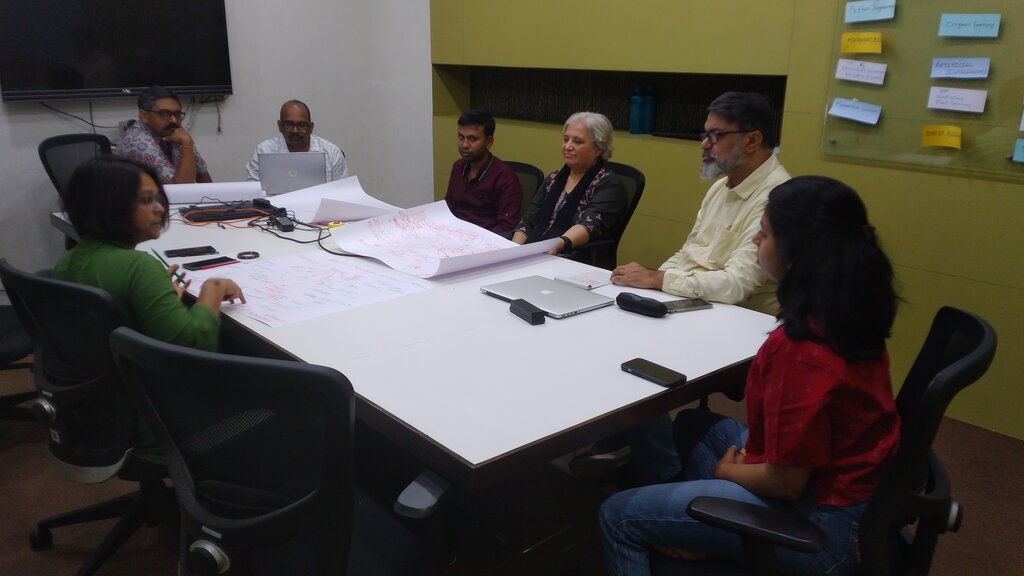
To get honest feedback, these sessions must be confidential, facilitated by a neutral third party, and structured to create a sense of psychological safety. This is particularly crucial when discussing topics like the intense pressure of the tenure track or the '' culture that can dominate academic life. Ask open-ended questions like, "What does a 'good day' at work look like for you?" or "What are the biggest barriers you face in balancing your work and personal life?"
Audit the Environment
A person's physical and digital surroundings have a profound impact on their well-being. An environmental audit involves systematically evaluating campus workspaces to see how they support or hinder a culture of wellness. This isn't just a building inspection; it's an assessment of the lived experience of the space.
Consider things like access to natural light, the availability of quiet spaces for deep work, and the ergonomic quality of office furniture. Also, evaluate the digital environment. Are employees burdened by clunky software? Are there unspoken expectations of constant email availability? The audit provides tangible data on how the physical and digital campus contributes to stress or support.
Finding the Gaps
The final step is to synthesize your data. A is a straightforward method for comparing the needs you've identified with the resources you currently provide. This simple exercise powerfully illustrates where your institution's wellness efforts are hitting the mark and where they are falling short. It transforms your data from a collection of facts into a compelling case for strategic change.
| Identified Need | Existing Resource | Gap / Mismatch | Strategic Opportunity |
|---|---|---|---|
| Junior faculty feel isolated and anxious about tenure. | General Employee Assistance Program (EAP). | EAP is not tailored to specific academic pressures. Low utilization due to stigma. | Create a peer-mentoring program for junior faculty. |
| Staff report high levels of stress from administrative tasks. | None. | No resource directly addresses burnout from bureaucratic processes. | Invest in process improvement or automation to reduce administrative load. |
| Many employees struggle to find time for physical activity. | On-campus gym with limited hours. | Gym hours conflict with teaching schedules; it's often crowded. | Offer flexible wellness stipends or online fitness classes. |
This analysis provides the baseline. It is the foundational evidence upon which your entire institutional well-being strategy will be built. With this clear, data-driven picture, you can move forward to design targeted, effective interventions that address the real needs of your campus community.
What is the primary goal of conducting a multi-component needs assessment for campus wellness?
When conducting a quantitative assessment, why is it recommended to use a validated instrument like the ACHA-NCHA instead of creating a survey from scratch?