Camping Fundamentals
Camping Basics
Camping with a Conscience
Camping is a great way to connect with the outdoors, but it comes with a responsibility to protect the places we visit. The goal is simple: leave a natural area in the same or better condition than you found it. To help with this, a set of guidelines called the Leave No Trace principles were created. They aren't strict rules, but a framework for making good decisions outdoors.
Leave no trace backpacking is not a set of rules, it’s a personal commitment.You need to realize that you are a part of the natural environment, not just a traveler through it.
Following these seven principles ensures that wild places stay wild for years to come.
Plan Ahead and Prepare
Good preparation is the first and most important step. Before you go, research the area. Know the regulations, like whether campfires are allowed. Check the weather forecast and pack appropriate clothing and gear. A well-thought-out plan helps you avoid dangerous situations and reduces your impact on the environment because you won't have to make risky choices on the fly.
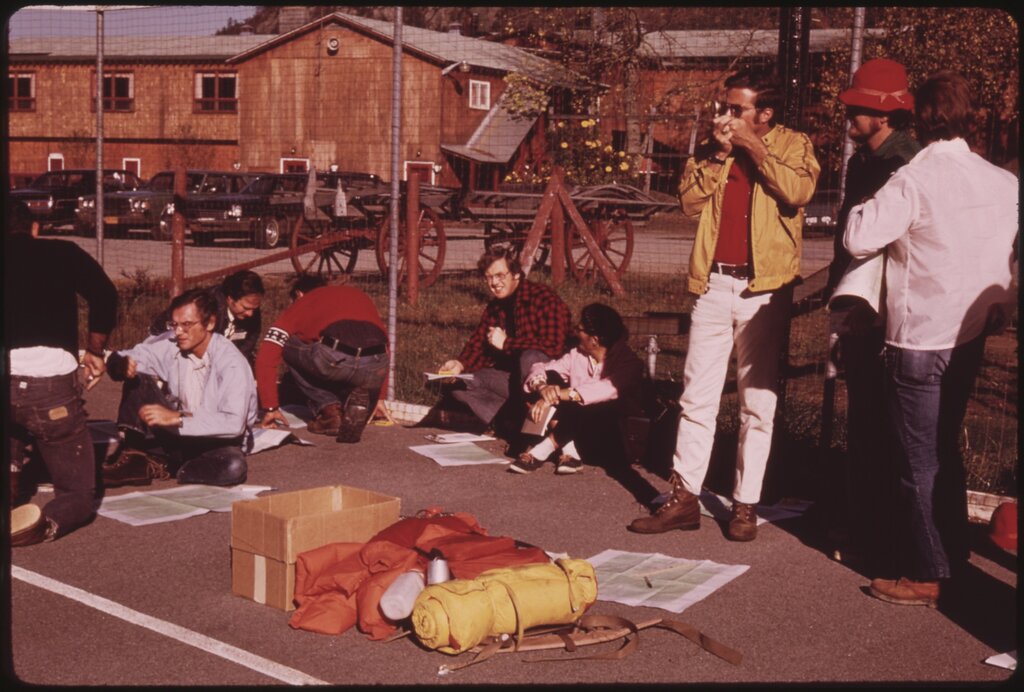
Bring a map, compass, or GPS, and know how to use them. Pack enough food and water for your trip, plus a little extra in case of an emergency. When you're well-prepared, you're more likely to have a safe and enjoyable time.
Stay on Durable Surfaces
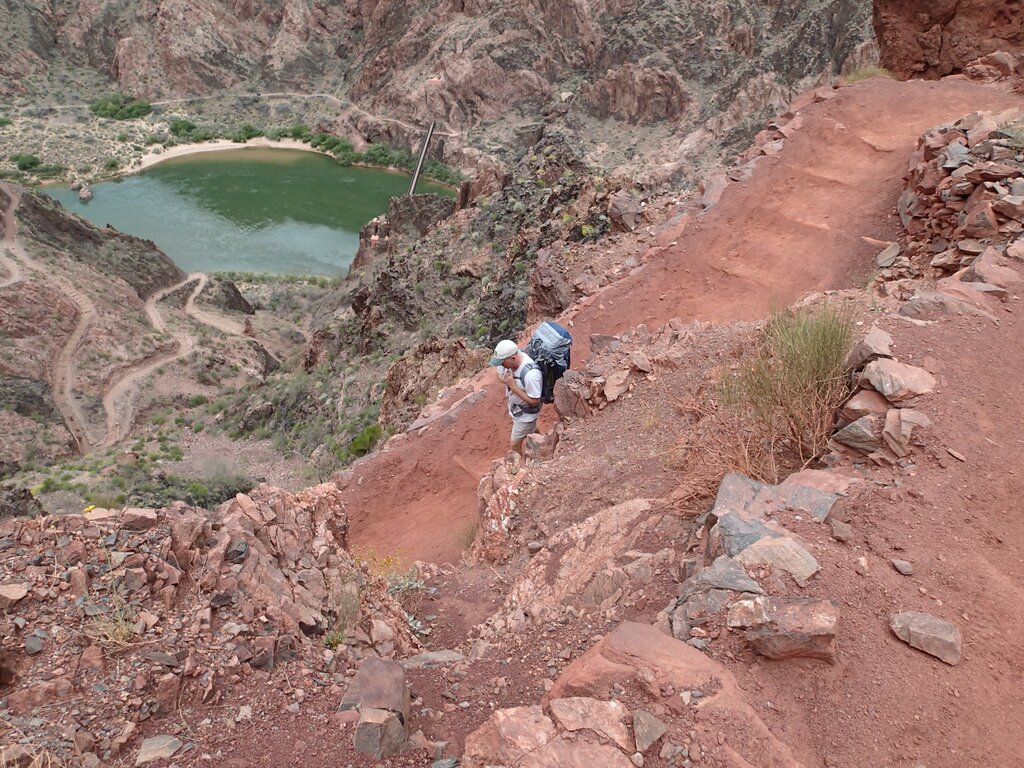
When you're hiking and camping, your feet can do a lot of damage. To protect plant life and prevent erosion, always stick to established trails. Don't cut corners on switchbacks, as this creates new paths that can scar the landscape.
When you set up camp, choose a site that is already established. Look for spots on durable surfaces like rock, gravel, sand, or dry grass. Avoid camping on fragile vegetation, which can take years to recover once trampled. Try to set up your camp at least 200 feet (about 70 big steps) away from lakes and streams to protect these sensitive areas.
The 7 Principles of Leave No Trace
Beyond planning and choosing where to walk, there are five other key principles to keep in mind.
| Principle | Why It's Important |
|---|---|
| Dispose of Waste Properly | "Pack it in, pack it out." This applies to all trash, including food scraps like apple cores and banana peels. They can attract wildlife and take a long time to decompose. |
| Leave What You Find | Let others enjoy the beauty of nature. Leave rocks, plants, and other natural objects as you find them. Avoid building structures, furniture, or digging trenches. |
| Minimize Campfire Impacts | Campfires can cause lasting damage. Use a lightweight stove for cooking. If you must have a fire, use an existing fire ring and keep it small. Make sure it's completely out and cold before you leave. |
| Respect Wildlife | Observe wildlife from a distance. Never feed animals, as it can make them dependent on humans and alter their natural behaviors. Store your food and trash securely to protect both you and the animals. |
| Be Considerate of Other Visitors | Everyone goes outdoors for their own reasons. Be courteous. Keep noise levels down, and yield to other hikers on the trail. Respect private property and leave gates as you find them. |
These principles aren't just for deep wilderness trips. They apply to local parks, beaches, and any shared outdoor space. By practicing them, you play a part in preserving the natural world for everyone.
What is the primary goal of the Leave No Trace principles?
Why is it recommended to avoid cutting corners on switchbacks?