Campaigning for Delegate in DC
Understanding Delegate Roles
What Is a Delegate?
In the world of politics, a delegate is a person chosen to represent others. For Washington, D.C., the term “delegate” has a few specific meanings. It can refer to someone representing a neighborhood, a political party, or the entire city on the national stage. Each role comes with its own set of responsibilities and powers.
Understanding these different delegate positions is key to understanding how D.C. governs itself and interacts with the federal government. Let's look at the most significant delegate role: the person who represents all of D.C. in the United States Congress.
D.C.'s Voice in Congress
Washington, D.C., has one representative in the U.S. House of Representatives, known as a delegate. This person is elected by D.C. residents to advocate for their interests at the national level. They can introduce bills, speak on the House floor, and serve on committees, just like representatives from the 50 states.

The delegate's primary job is to ensure the needs and concerns of Washingtonians are heard by the federal government. This includes working on legislation related to local D.C. affairs, securing federal funding, and participating in debates on national policy.
Voting vs. Non-Voting
Here's the crucial difference. While D.C.'s delegate can participate in many congressional activities, they have limited voting power. The delegate can vote in the committees they are assigned to. Committee work is where bills are debated, amended, and shaped before they are sent to the entire House for a vote. This allows the delegate to have a real impact on the details of legislation.
A delegate can vote in committee, but they cannot vote on the final passage of bills on the floor of the House of Representatives.
This restriction is a major point of contention. It means that when a bill comes up for a final decision by the full House, D.C.'s representative has no say. The same limitation applies to delegates from other U.S. territories like Guam, American Samoa, and the U.S. Virgin Islands.
Influence Beyond the Vote
Despite the lack of a final vote, a delegate is far from powerless. Their influence comes from other legislative tools. By introducing bills, they can set the agenda and bring important issues to the attention of Congress. Through their work on committees, they can amend legislation and build alliances with other members.
A delegate also acts as a powerful advocate. They can use their position to negotiate with colleagues, lobby for D.C.'s interests, and serve as the city's chief liaison to the federal government. This ability to persuade, inform, and build coalitions is essential to making progress for the district's residents.
| Powers of the D.C. Delegate | Limitations |
|---|---|
| Introduce legislation | Cannot vote on final passage of bills |
| Serve and vote on committees | Cannot vote for Speaker of the House |
| Speak on the House floor | Limited role in overriding presidential vetoes |
| Advocate for D.C. residents | Does not count toward a quorum on the floor |
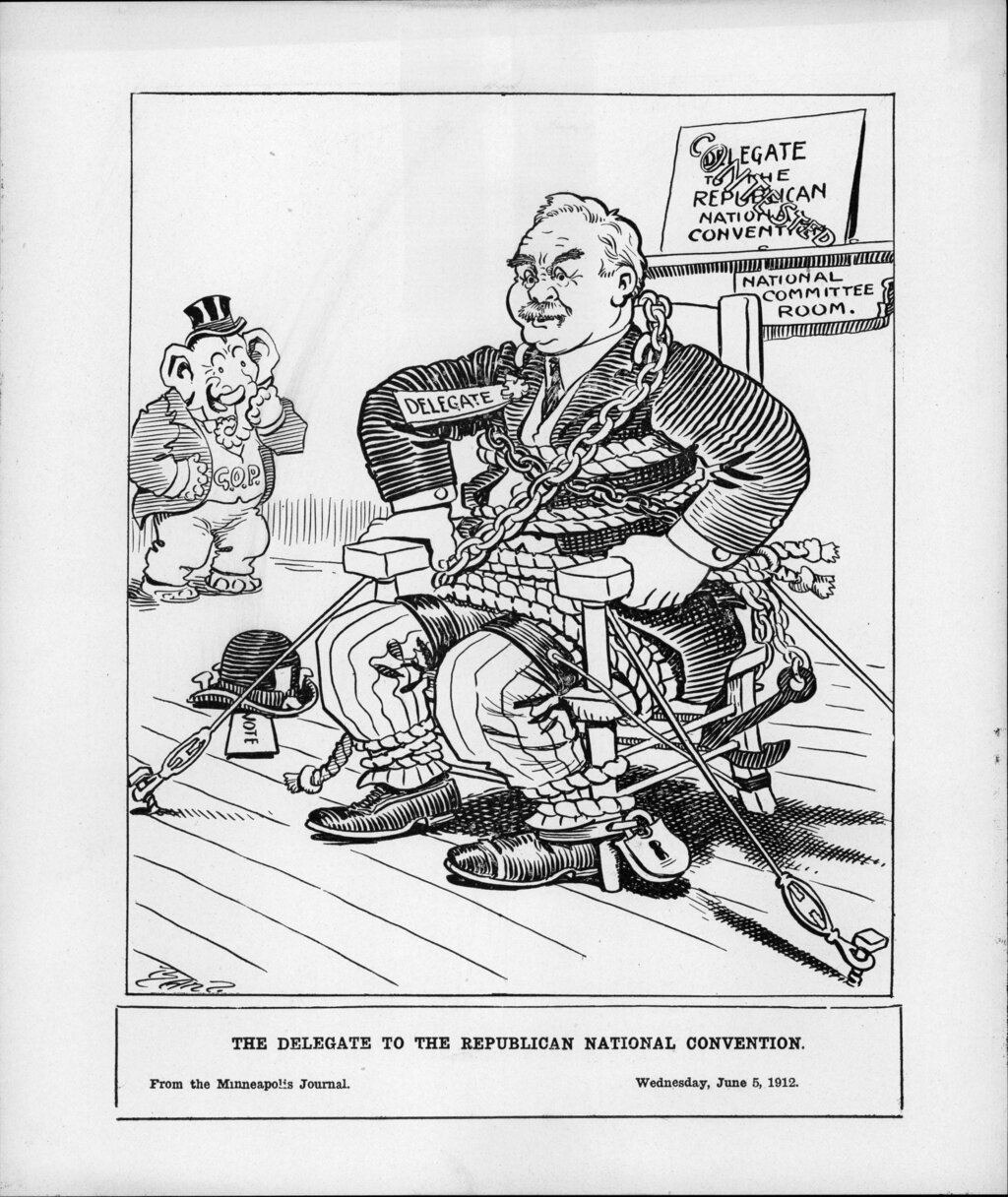
In addition to the congressional delegate, D.C. residents also elect delegates to represent them at the national conventions of political parties, where presidential candidates are formally nominated. These delegates, like those from the states, have full voting powers within the convention, allowing them to directly influence their party's platform and nominee.
Now, let's test your knowledge on the roles and powers of D.C.'s delegates.
What is the most significant limitation of the Washington, D.C. delegate in the U.S. House of Representatives?
In which of the following activities can the D.C. delegate fully participate with voting power?
The role of a delegate is a unique and complex part of D.C.'s political landscape, blending local advocacy with the realities of national representation.