Campaign Finance Rules Explained
Introduction to Campaign Finance
Money in Politics
Running for political office costs money. Candidates need funds for everything from TV ads and lawn signs to paying staff and renting office space. Campaign finance is the term for all the money raised and spent to influence elections.
Where does this money come from? Who is allowed to give it? Are there limits? These questions are at the heart of campaign finance law. The rules exist to promote transparency and prevent corruption, ensuring that a candidate's loyalty is to the voters, not just their wealthiest donors.

The Official Referee
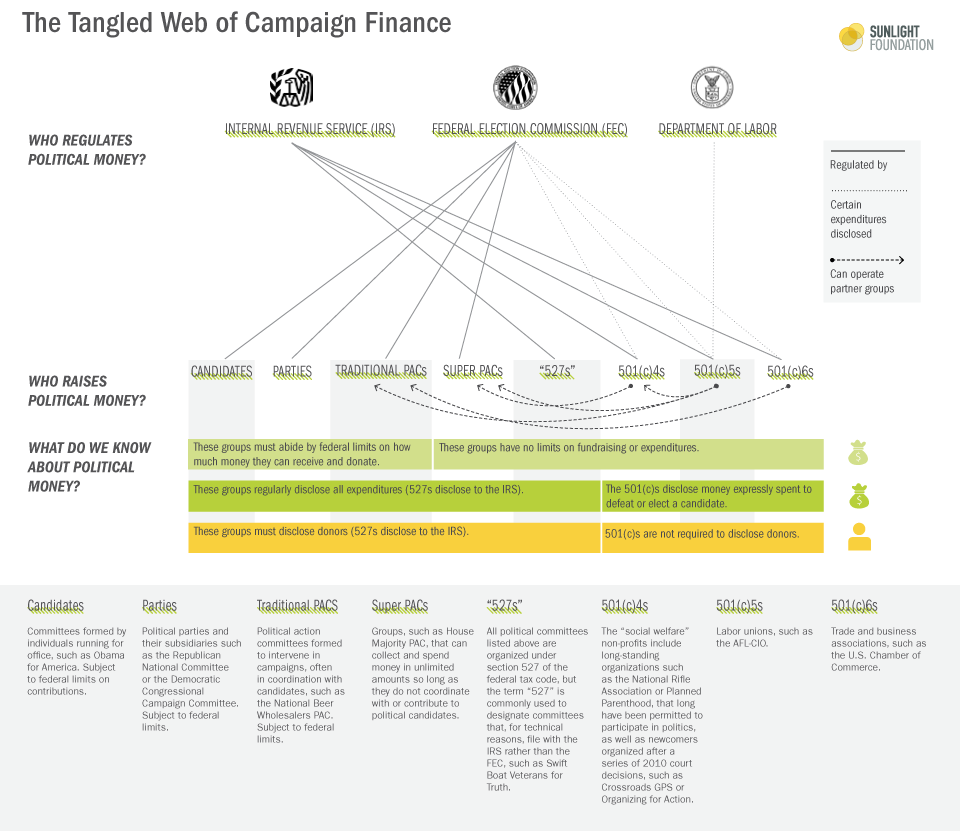
The primary enforcer of campaign finance rules for federal elections—that is, for President, Vice President, the Senate, and the House of Representatives—is the Federal Election Commission, or FEC.
Created in 1975, the FEC is an independent regulatory agency. Its job is to administer and enforce the laws that govern the financing of federal elections. Think of it as the referee in the game of political fundraising. The FEC makes sure candidates, parties, and other political groups play by the rules.
The FEC has three main functions: disclosing campaign finance information, enforcing laws on contribution limits, and overseeing the public funding of Presidential elections.
The Language of Campaign Finance
To understand campaign finance, you need to know a few key terms. The two most basic are contributions and expenditures.
Contribution
noun
Anything of value given, loaned, or advanced to influence a federal election. This includes money, of course, but also things like office supplies or a paid staffer's time.
Contributions are the money flowing into a campaign.
Expenditure
noun
A payment, distribution, loan, or gift of money made by a campaign or political committee to influence a federal election.
Expenditures are the money flowing out of a campaign. Another core concept is disclosure. Federal law requires campaigns to file regular reports with the FEC listing their contributions and expenditures. This is called disclosure, or transparency.
These reports are public information. Anyone can go to the FEC's website and see who donated to a candidate's campaign and how that campaign spent its money. This transparency allows voters, journalists, and watchdog groups to follow the money and see who might be trying to influence our political system.
A Brief History
Concerns about money's influence on politics are as old as the United States itself. For much of the nation's history, there were few effective laws regulating campaign finance. This changed dramatically in the early 1970s.
The Watergate scandal, which involved illegal fundraising and a political slush fund, led Congress to pass major amendments to the Federal Election Campaign Act (FECA). These changes established the modern framework of campaign finance law. They created the FEC, set limits on contributions, and established the system of disclosure we have today.
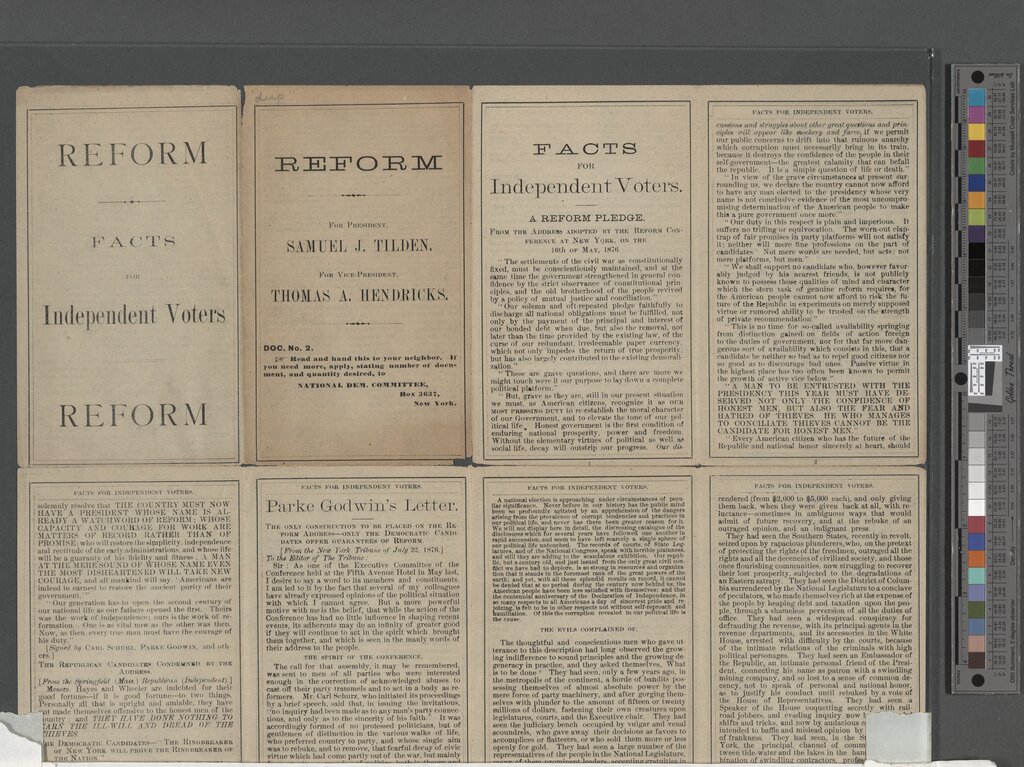
Since the 1970s, campaign finance laws have continued to evolve through new legislation and a series of landmark Supreme Court decisions. The debate over the proper role of money in politics is ongoing, but the basic principles of limits and disclosure remain central to the system.
Let's check your understanding of these foundational concepts.
What is the primary role of the Federal Election Commission (FEC)?
A political candidate pays a company to produce and air a television commercial. Under campaign finance law, this payment is best classified as a(n) __________.
Understanding these core ideas is the first step to following the money in American politics.