Cambridge IGCSE Biology Essentials
Characteristics of Living Organisms
What Makes Something Alive?
A rock, a river, a star — they all exist, but they aren't alive. A tree, a fish, and a bacterium are. What's the difference? Biologists identify a set of shared processes that separate the living from the non-living. While some non-living things might show one or two of these signs, only living organisms exhibit all of them.
Processes of life that define living things are Movement, Respiration, Sensation, Growth, Reproduction, Excretion, Nutrition.
These seven processes are the fundamental activities that keep an organism functioning. Think of them as the ultimate biological to-do list.
The Seven Life Processes
Let's break down each of these core functions. A helpful way to remember them is the acronym MRS GREN.
| Letter | Life Process |
|---|---|
| M | Movement |
| R | Respiration |
| S | Sensitivity |
| G | Growth |
| R | Reproduction |
| E | Excretion |
| N | Nutrition |
Movement
All living things move in some way. This doesn't just mean running or swimming. Movement refers to an action by an organism or part of an organism causing a change of position or place.
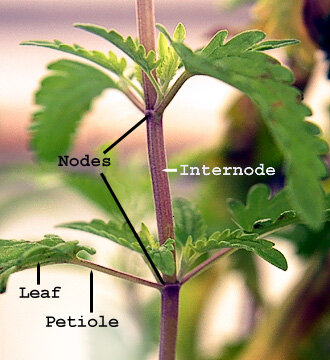
For animals, this is obvious. They move to find food, escape predators, or find a mate. But plants move too. They turn their leaves toward the sun to maximize light for photosynthesis, and their roots grow down toward water.
Respiration
Respiration is often confused with breathing, but it's a chemical process that happens inside cells. It's how all living organisms release the energy they need to live from their food. Most organisms use oxygen to break down nutrients like glucose.
This energy powers everything from muscle movement to cell repair.
Sensitivity
Sensitivity is the ability to detect and respond to changes in the environment. These changes are called stimuli. Responding to stimuli helps organisms survive.
If you touch a hot stove, you pull your hand away instantly. That's a response to the stimulus of heat. A sunflower turning to face the sun is responding to the stimulus of light.
Organisms have sense organs to detect stimuli, like eyes, ears, and skin in animals, or light-sensitive cells in plants.
Building and Maintaining Life
The remaining processes are about how organisms build themselves, create more of themselves, and handle the materials needed to do so.
Growth
All living things grow. For an organism, growth isn't just getting bigger; it's a permanent increase in size and complexity by increasing the number or size of its cells. A single fertilized egg grows into a fully formed adult. A tiny seed sprouts and develops into a massive tree. This growth is directed by the genetic information inside the organism's cells.
Reproduction
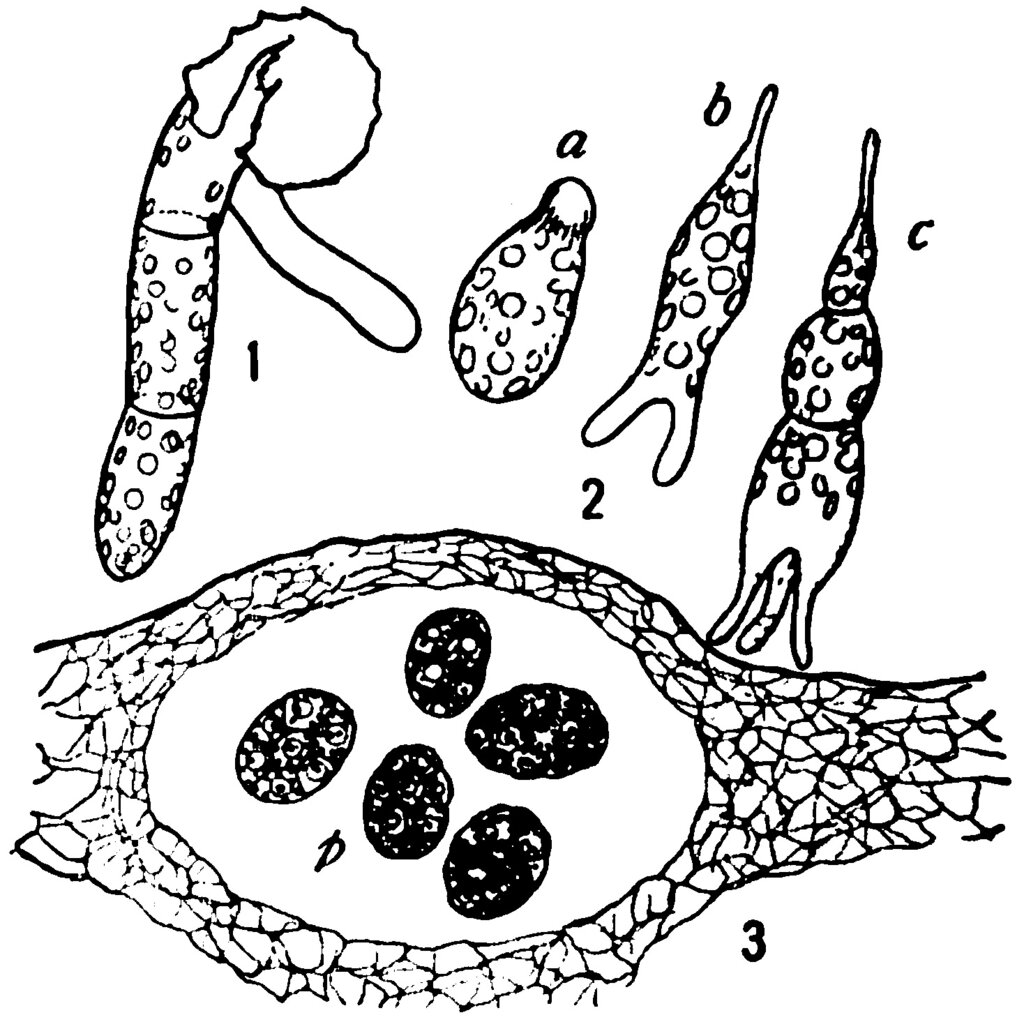
Reproduction is the process of making more of the same kind of organism. Without it, a species would die out. There are two main types:
- Asexual reproduction: Involves only one parent and produces offspring that are genetically identical to the parent. Bacteria dividing in two is a classic example.
- Sexual reproduction: Requires two parents and combines their genetic information to produce a unique offspring. This is common in animals and plants.
Excretion
Metabolism, the sum of all chemical reactions in an organism, creates waste products. Some of these, like carbon dioxide from respiration, can be toxic if they build up. Excretion is the process of removing these waste products.
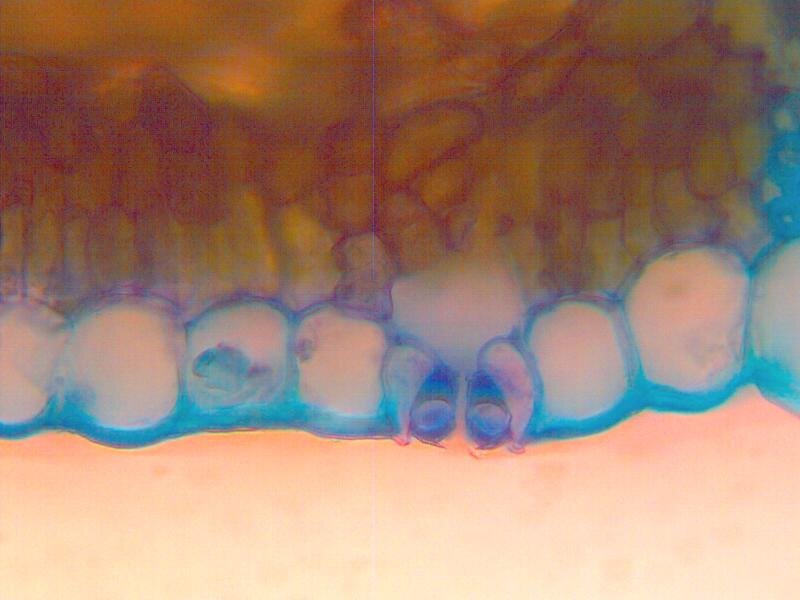
In humans, the lungs excrete carbon dioxide, and the kidneys filter waste from the blood to produce urine. Plants release waste gases like oxygen through small pores in their leaves called stomata.
Nutrition
To get the energy for movement, growth, and repair, organisms need food. Nutrition is the process of taking in materials and using them. Plants are producers; they make their own food through photosynthesis, using light, water, and carbon dioxide. Animals are consumers; they get their nutrition by eating other organisms.
Ready to test your knowledge?
Which statement best describes biological respiration?
A sunflower turns to follow the sun across the sky. Which characteristic of life is this an example of?
These seven characteristics together paint a picture of what it means to be alive. They are the interconnected functions that define life as we know it.