Calorie Tracker App Success Blueprint
Understanding the Calorie Tracker App Market
A Growing Appetite for Data
The market for calorie tracking apps is booming. Driven by a global rise in health consciousness and the spread of smartphones and wearable devices, millions of people are turning to technology to manage their nutrition. This isn't just a passing trend; it's a significant shift in how we approach our health. People want data-driven insights into their eating habits, and apps provide an accessible way to get them.
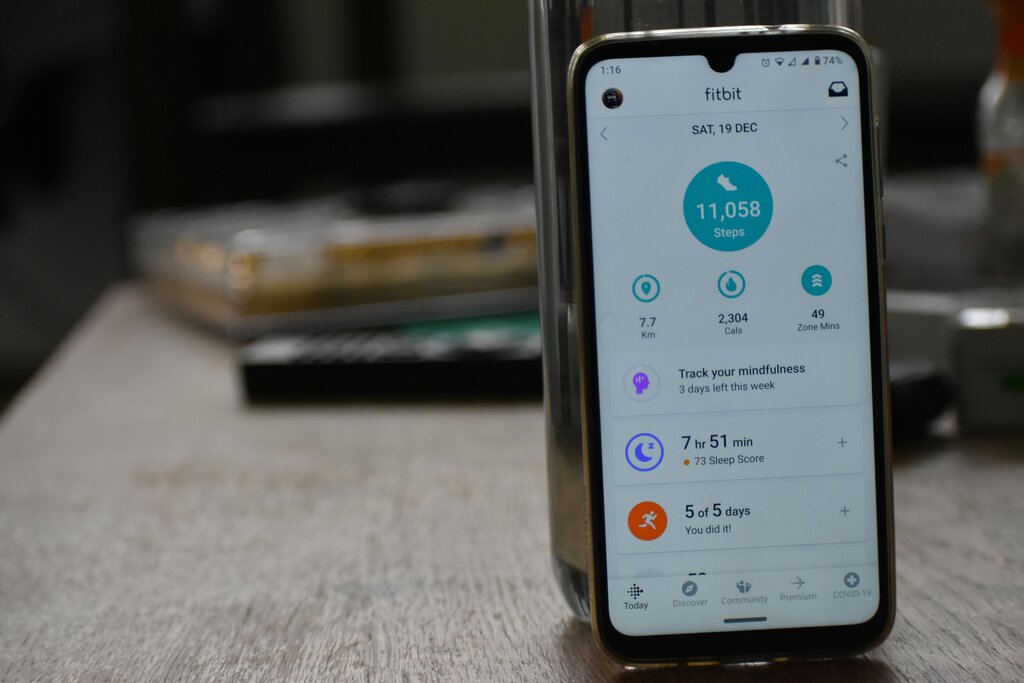
The market is expanding steadily, with projections showing continued growth. This expansion is fueled by an increasing awareness of the links between diet, weight, and chronic diseases. As technology gets smarter, apps are becoming more than simple diaries; they're evolving into personalized health companions.
Meet the Modern User
So, who is using these apps? The user base is surprisingly diverse. It includes everyone from athletes fine-tuning their performance to individuals managing health conditions or simply trying to make healthier choices. While young, tech-savvy adults were the early adopters, the demographic is broadening to include older adults and people from various fitness levels.
User preferences are also evolving. While accurate calorie counting is still the core feature, people now expect more. They want a seamless experience. This includes features like barcode scanners, extensive food databases, and the ability to track macronutrients like protein, carbs, and fats. Integration with fitness trackers to automatically log exercise is no longer a bonus; it's an expectation.
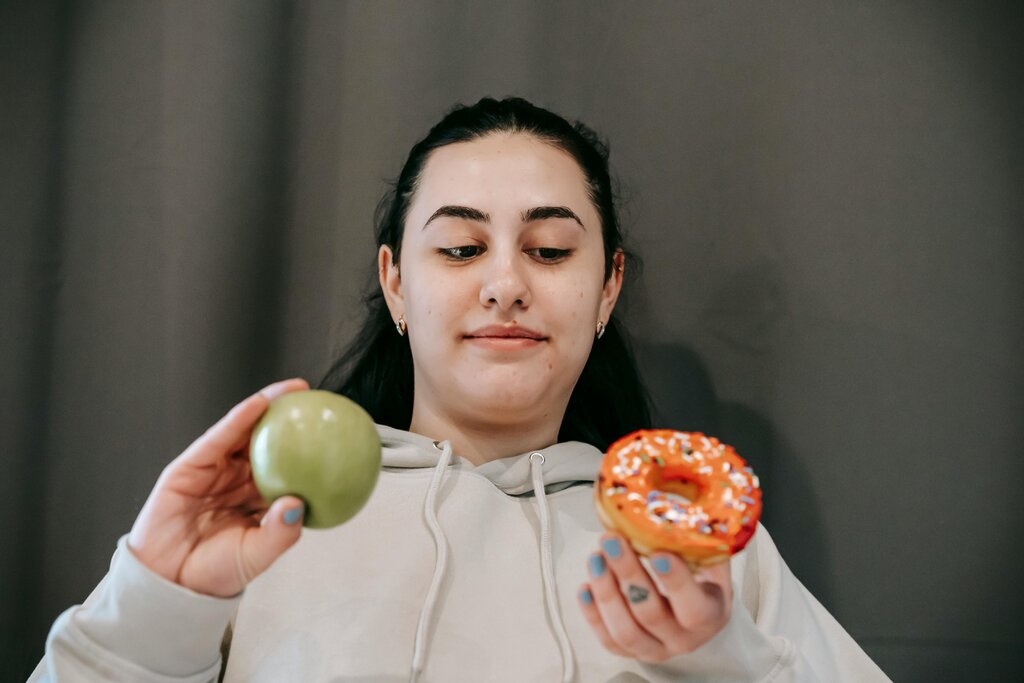
Beyond the numbers, users are looking for motivation and support. This is where community features, progress reports, and personalized feedback come in. The most successful apps understand that tracking is not just about data entry, but about building and maintaining healthy habits.
The Competitive Landscape
The calorie tracker market is crowded and dominated by a few major players. Each has carved out a space by catering to slightly different user needs. Understanding their strengths is key to seeing where the gaps are.
| App | Key Feature | Primary Focus |
|---|---|---|
| MyFitnessPal | Massive Food Database | Comprehensive tracking & community |
| Lose It! | Simple Calorie Budgeting | Weight loss through calorie counting |
| Noom | Psychology-Based Lessons | Habit change & long-term health |
| Cronometer | Detailed Nutrient Tracking | In-depth micronutrient analysis |
MyFitnessPal, with its enormous user-generated food library, is often the default choice for many. Lose It! appeals to those who want a straightforward, no-frills approach to weight management. Noom differentiates itself by focusing on the psychological aspects of eating, offering daily lessons and coaching. Cronometer targets users who want a granular look at their vitamin and mineral intake.
Finding a Niche
Despite the dominance of big names, there are still opportunities for new apps to succeed. The key is to avoid competing head-on and instead find an underserved niche. This could mean creating an app for a specific dietary need, like veganism, or for a particular group, such as athletes or people with diabetes.
However, the path is not without challenges. Building and maintaining an accurate food database is a monumental task. User retention is another major hurdle, as many people stop tracking after a few weeks. This phenomenon, often called "tracker fatigue," is something every app in this space must solve.
Privacy is also a growing concern. These apps collect highly personal health data, and users are becoming more cautious about how that information is stored and used.
The biggest opportunity lies in specialization. A general-purpose app struggles to be everything to everyone. A specialized app can provide immense value to a targeted group.
To stand out, a new app needs a clear unique value proposition. What does it do better than anyone else? Is it a superior user experience, a focus on a specific community, or a novel feature that simplifies the tracking process? Answering that question is the first step to finding a place in this dynamic market.
According to the text, what is the primary driver behind the growth of the calorie tracking app market?
Which app differentiates itself by focusing on the psychological aspects of eating and offering coaching?