Calming Anxious Dogs The Science and Practice
Understanding Canine Anxiety
What Is Dog Anxiety?
Just like humans, dogs can experience anxiety. It’s a normal, natural response to stressful situations. A little bit of anxiety helps a dog stay alert and safe when faced with a potential threat. Think of it as their internal alarm system kicking in.
Anxiety
noun
A feeling of worry, nervousness, or unease, typically about an imminent event or something with an uncertain outcome.
However, this alarm system can sometimes go into overdrive. When anxiety becomes persistent, excessive, or is triggered by things that aren't actually dangerous, it can become a serious problem. This isn't just bad behavior; it's a sign of genuine distress that can significantly impact a dog's quality of life and health.
Anxiety is a natural response to stress, but when it becomes overwhelming, it can interfere with daily life and overall well-being.
Common Triggers
Anxiety in dogs isn't a one-size-fits-all issue. It often manifests in specific ways, tied to particular situations or triggers. Understanding the source is the first step.
| Type of Anxiety | Common Triggers |
|---|---|
| Separation Anxiety | Being left alone or separated from their primary caregiver. |
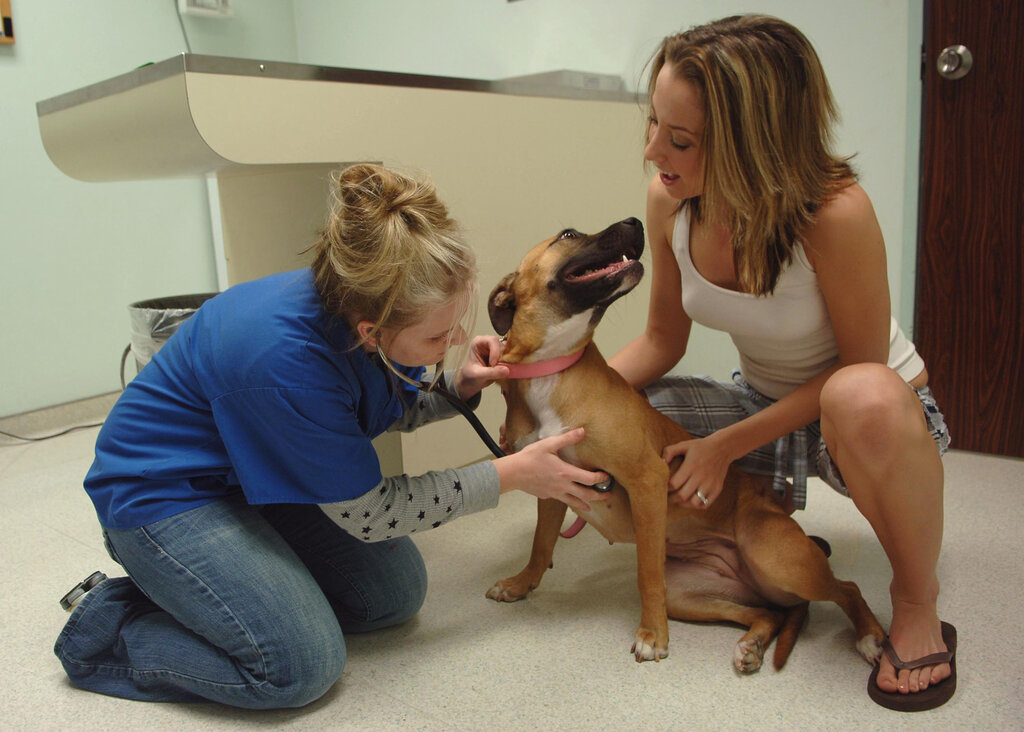
| Fear-Related Anxiety | Loud noises (fireworks, thunder), new people, other animals, new environments, or specific situations like car rides or vet visits. |
| Age-Related Anxiety | Associated with cognitive decline in senior dogs. Confusion and memory loss can lead to increased anxiety. |
Past trauma can also be a significant factor. Dogs from shelters or those who have had unstable histories may be more prone to anxiety. Even a lack of proper socialization as a puppy can lead to fear and nervousness in new situations later in life.
The Science of Stress
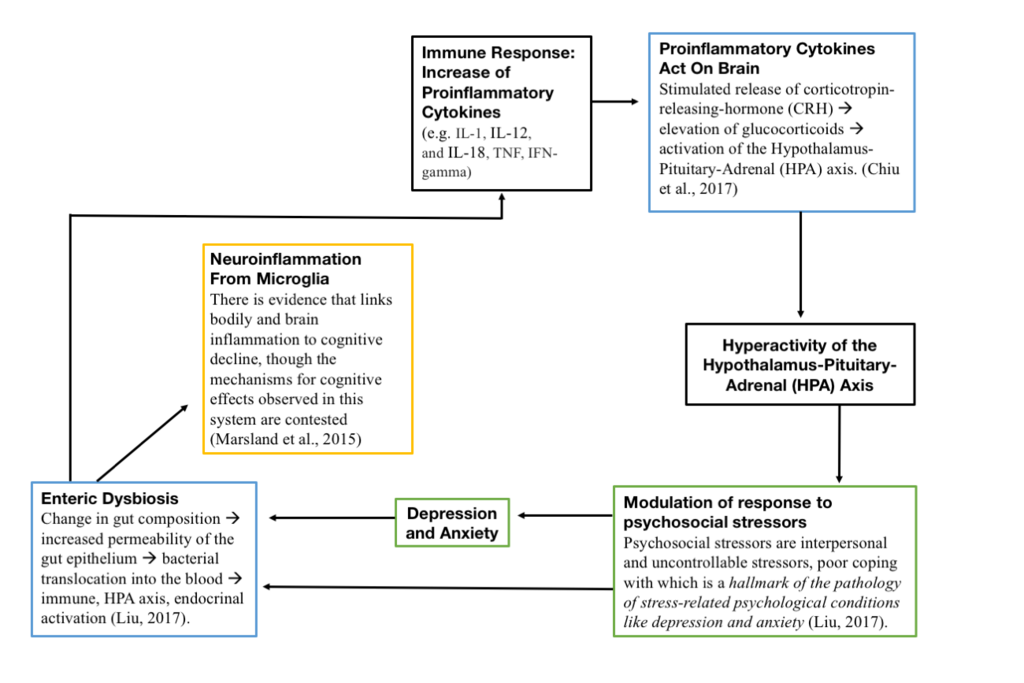
When a dog perceives a threat, its body kicks into a state of high alert known as the “fight or flight” response. This is an ancient survival mechanism managed by the nervous system. The brain signals the adrenal glands to release a flood of stress hormones, primarily adrenaline and cortisol.
Adrenaline provides a burst of energy for an immediate reaction, while cortisol keeps the body on high alert for a longer period.
This response is incredibly useful for escaping real danger. The heart beats faster, breathing quickens, and blood flows to the muscles, preparing the body for action. In an anxious dog, however, this system can be triggered constantly by everyday events. This state of chronic stress takes a toll. Over time, high levels of cortisol can weaken the immune system, cause digestive issues, and contribute to a range of other health problems.
Reading the Signs
Dogs communicate their anxiety through body language and behavior. Some signs are obvious, but others are subtle and easily missed. Recognizing the early, quieter signs can help you intervene before their stress escalates.
| Subtle Signs | Overt Signs |
|---|---|
| Yawning when not tired | Excessive barking or howling |
| Lip licking or drooling | Destructive behavior (chewing, digging) |
| Pacing or restlessness | Urinating or defecating in the house |
| Tucked tail, flattened ears | Trembling or shaking |
| Averting gaze, showing whites of eyes | Aggression (growling, snapping) |
| Hiding or trying to escape | Compulsive behaviors |
It's important to view these behaviors not as a dog being "bad," but as a dog communicating that they are scared or overwhelmed.
When you can identify the signs that your dog is anxious or scared, it’s easier for you to protect or remove your dog from situations that make them uncomfortable.
Understanding what anxiety is, what causes it, and how it looks is the foundation for helping your dog. By learning to read their signals and recognize their triggers, you can better support their well-being.