Calm Your Nervous System
Understanding the Nervous System
Your Body's Command Center
Your nervous system is the intricate communication network that runs your entire body. It's how you perceive the world, think, feel, and move. Think of it as a biological supercomputer, processing vast amounts of information every second and issuing commands to keep you alive and functioning.
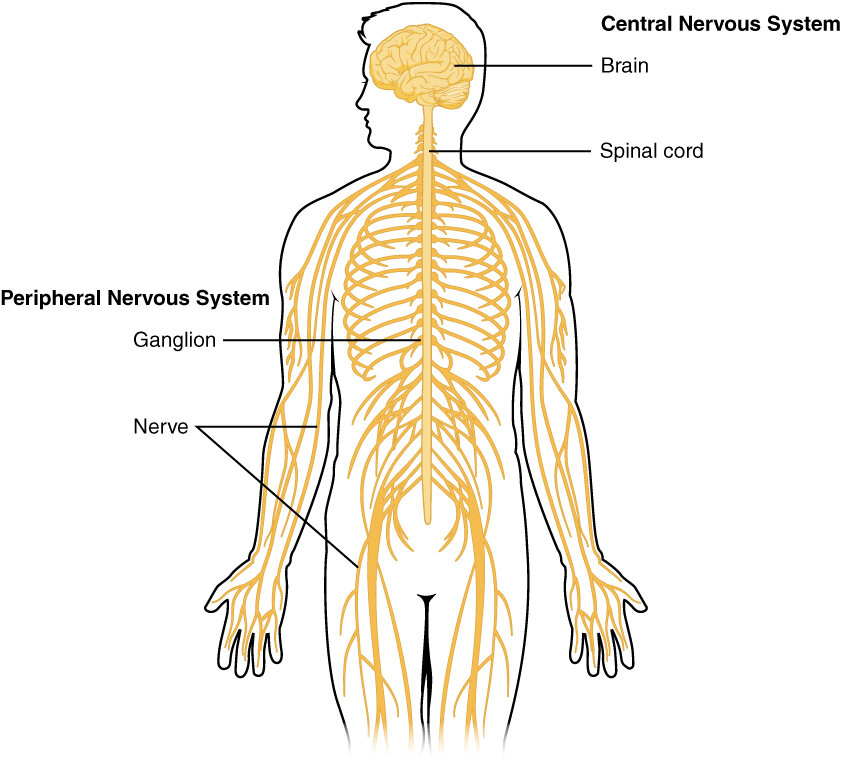
This vast network is split into two main parts: the central nervous system and the peripheral nervous system. They work together seamlessly, but each has a distinct role.
The Central Hub
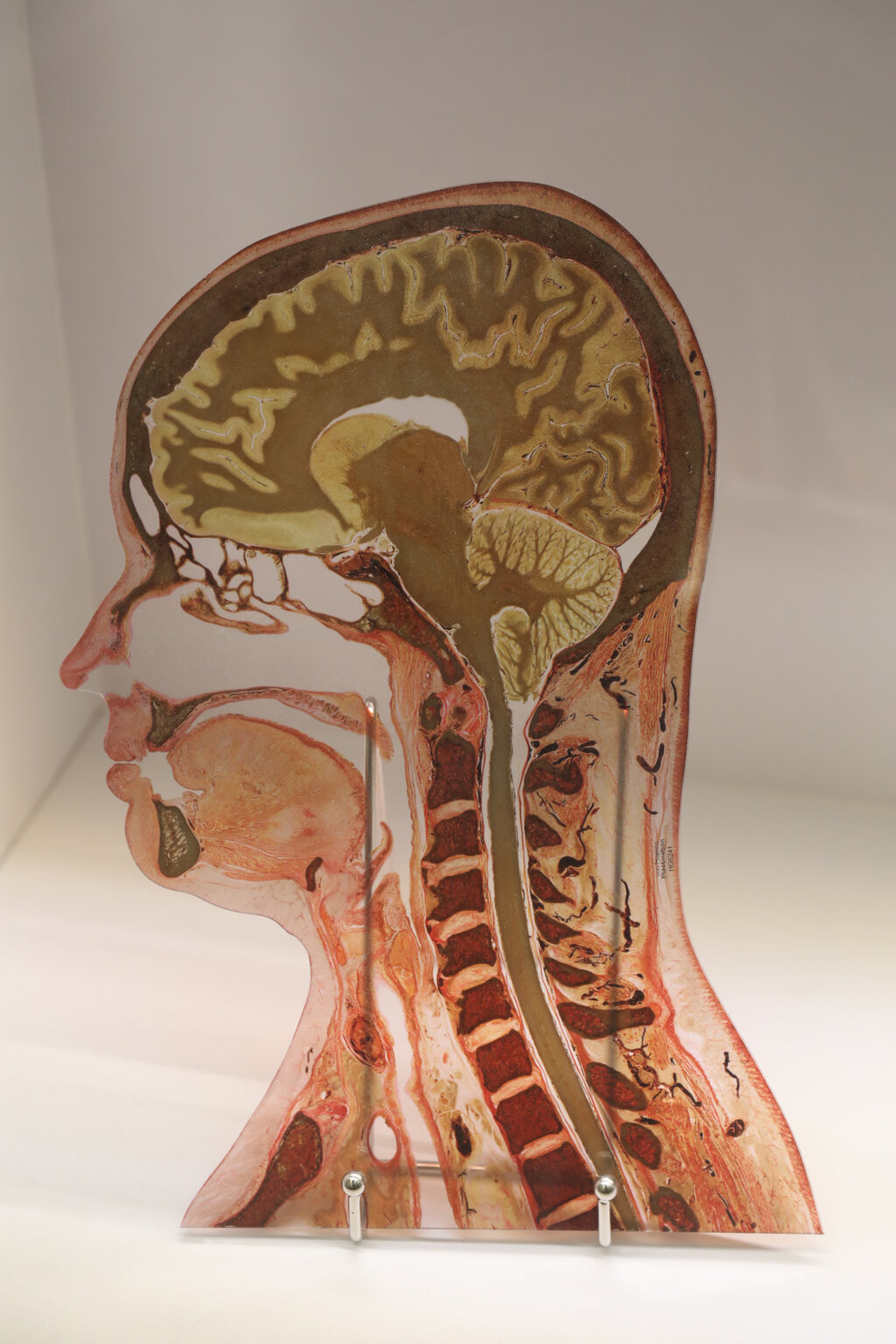
The central nervous system (CNS) is the main processing center. It consists of two structures: the brain and the spinal cord. The brain is the command hub, responsible for everything from your conscious thoughts and emotions to coordinating complex movements.
The spinal cord acts as the primary information highway, a thick bundle of nerves running from the base of your brain down your back. It relays messages between the brain and the rest of the body. It also handles reflexes—rapid, automatic responses that don't require the brain's direct input, like pulling your hand away from a hot stove.
The Outer Network
If the CNS is the command center, the peripheral nervous system (PNS) is the network of cables and sensors that connects it to the outside world and every part of your body. It’s made up of all the nerves that branch out from the spinal cord and extend to your limbs, organs, and skin.
The PNS has two key jobs. It gathers sensory information—like the feeling of wind on your skin or the sound of a bird singing—and sends it to the CNS for processing. It also carries motor commands from the CNS back out to your muscles and glands, telling them how to respond.
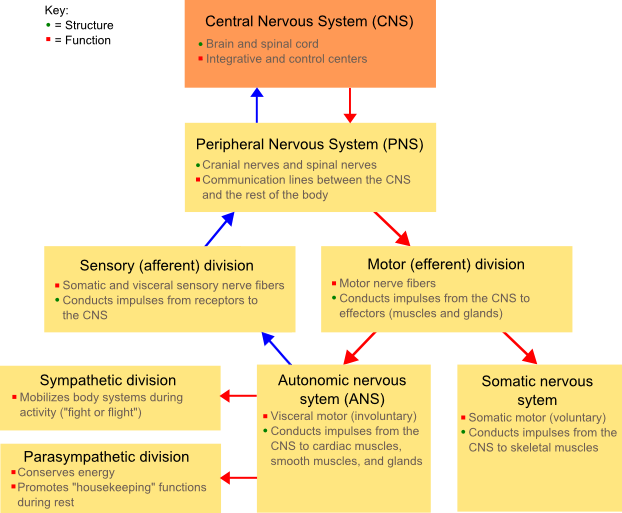
This peripheral network is further divided. The somatic nervous system controls your voluntary actions, like walking or picking up a book. But the part that often works without our conscious awareness is the autonomic nervous system.
The Automatic Pilot
The autonomic nervous system (ANS) manages all the involuntary functions that keep you alive, such as your heartbeat, breathing, digestion, and blood pressure. It's your body's automatic pilot, constantly making adjustments to maintain a stable internal environment, a state known as homeostasis.
The ANS has two main branches that act like a gas pedal and a brake: the sympathetic and parasympathetic divisions.
The sympathetic division is the accelerator. It prepares the body for intense physical activity, a response often called the "fight-or-flight" mechanism.
When you perceive a threat or stressor—like a car swerving towards you or the pressure of a big presentation—your sympathetic nervous system kicks in. It increases your heart rate, directs blood flow to your muscles, and releases adrenaline. This response floods your body with energy and sharpens your focus, preparing you to either confront the threat or escape from it.
The parasympathetic division is the brake. Its job is to calm the body down and conserve energy, often called the "rest-and-digest" system.
Once a threat has passed, the parasympathetic system takes over. It slows your heart rate, stimulates digestion, and brings your body back to a state of calm. This system is active when you feel safe and relaxed, allowing your body to handle routine tasks like absorbing nutrients and repairing tissues.
These two systems are always working in a delicate balance. Stress activates the sympathetic system, while relaxation allows the parasympathetic system to dominate. Understanding this interplay is key to seeing how your mental state directly influences your physical well-being.
What are the two main divisions of the nervous system?
Imagine you are giving a major presentation and your heart starts pounding. Which division of the nervous system is primarily responsible for this reaction?