Calisthenics for General Fitness
Introduction to Calisthenics
What is Calisthenics?
Calisthenics is a form of strength training that uses your own body weight as resistance. The name comes from the ancient Greek words kallos (beauty) and sthenos (strength). It’s all about developing a strong, capable body through simple, natural movements.
The practice dates back to ancient Greece, where it was used to train armies. Gymnasts, soldiers, and athletes have used these principles for centuries. Today, it's popular because it's effective and accessible. You don't need a gym or expensive equipment. Your body is all you need.
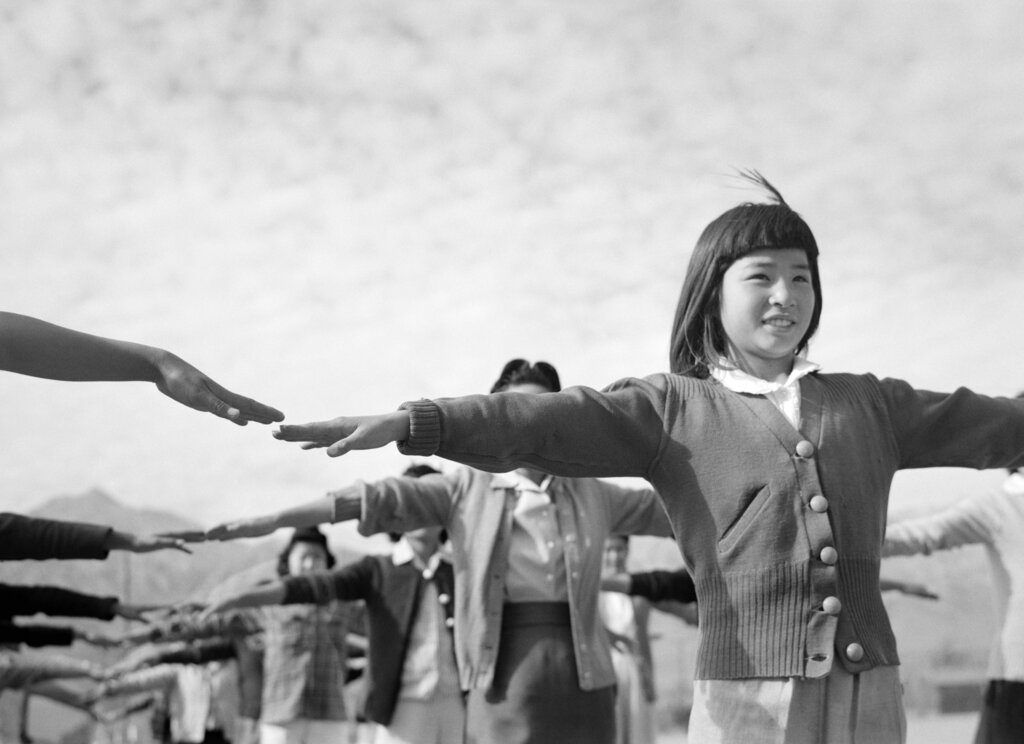
The core idea is simple: master control over your own body. This builds a foundation of strength that translates to everyday life.
Core Principles
Calisthenics is built on two key ideas: functional movements and progressive overload.
Functional movements are exercises that mimic real-life actions. Think about pushing open a heavy door, pulling yourself up, or squatting to pick something up. Calisthenics trains these fundamental patterns. A push-up strengthens your ability to push, while a squat improves your ability to lift with your legs. This is different from using a machine at the gym to isolate a single muscle. Functional training strengthens muscle groups together, just as you use them in your daily activities.
Calisthenics training is a safe, proven way to build functional strength—the kind you need to schlep groceries, pick up a toddler, or sprint for the 7:40 train without tweaking your hamstring.
Progressive overload is the secret to getting stronger over time. The concept is straightforward: to build strength, you must consistently challenge your muscles by making your exercises more difficult. In weightlifting, you'd add more plates to the barbell. In calisthenics, you modify the exercise itself.
You can make a movement harder by changing your leverage, increasing the range of motion, or adding instability. For example, once you master a standard push-up, you could move on to a more challenging variation.
| Easier | Standard | Harder |
|---|---|---|
| Wall Push-ups | Standard Push-ups | Decline Push-ups |
| Incline Push-ups | Diamond Push-ups | One-Arm Push-ups |
Getting Started Safely
Like any new physical activity, it's important to start calisthenics with safety in mind. The goal is to build strength, not to get injured.
First, focus on form. Performing an exercise correctly is more important than how many repetitions you can do. It's better to do five perfect push-ups than 20 sloppy ones. Poor form can lead to injury and reinforces bad movement habits.
Listen to your body. Muscle soreness after a workout is normal, but sharp pain is a signal to stop. Don't push through pain. Rest and recovery are just as important as the training itself, as this is when your muscles actually repair and grow stronger.
Start with the basics. Master foundational movements like squats, lunges, and incline push-ups before moving to more difficult variations.
Ready to test what you've learned about the fundamentals?
What is the primary source of resistance used in calisthenics training?
Which of the following best describes the principle of 'progressive overload' as it applies to calisthenics?
Calisthenics offers a powerful way to build a strong and functional body using the most accessible piece of equipment you own: yourself.