California vs Massachusetts Politics
Introduction to State Tax Systems
How States Fund Themselves
Unlike the federal government, states can't print money to pay their bills. Instead, they rely on taxes to fund everything from roads and schools to state parks and police forces. Each state develops its own unique mix of taxes to generate the revenue it needs.
While every state's tax code is a little different, most rely on a few common types of taxes. The three heavy hitters are income, sales, and property taxes. Let's break them down.
Income Tax
noun
A tax levied by a government directly on income, especially an annual tax on personal income.
If you earn a paycheck, you're likely familiar with income tax. Many states tax a portion of the money earned by individuals and corporations within their borders. Some states use a progressive system, where higher earners pay a larger percentage of their income in taxes. Others use a flat tax, where everyone pays the same rate regardless of income. A handful of states have no personal income tax at all.
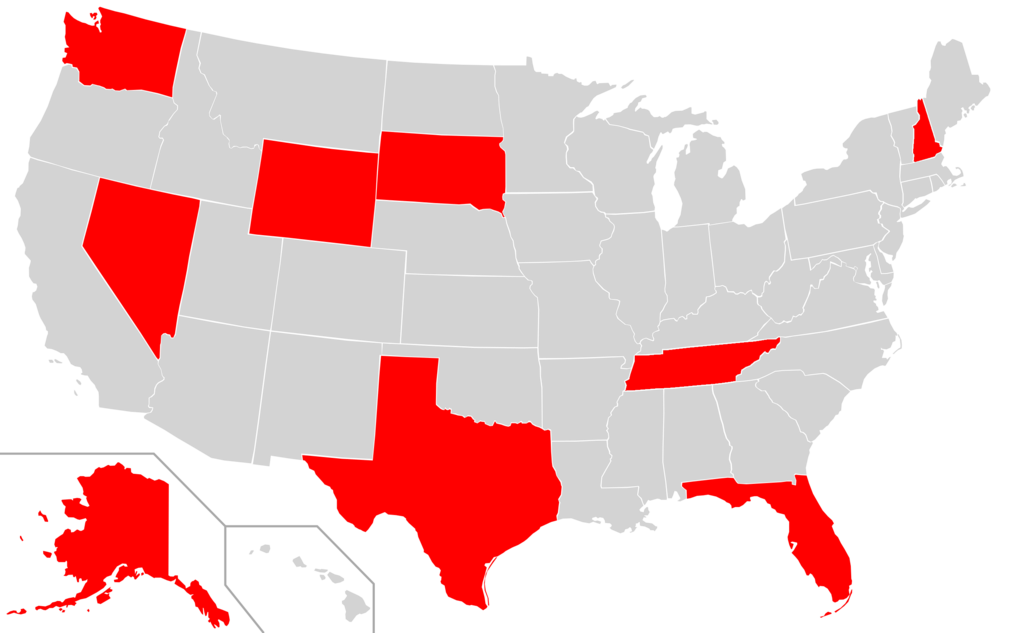
Next up is the sales tax, which you pay almost every time you buy something.
Sales Tax
noun
A tax on sales or on the receipts from sales, typically added to the price of a good or service.
Sales tax is a type of consumption tax, meaning you pay it when you spend money. States set a base sales tax rate, and sometimes cities or counties can add their own local sales tax on top. Not everything is taxed, though. States often exempt necessities like groceries or prescription drugs to lessen the burden on lower-income households.
Finally, there's property tax, which is a primary source of funding for local governments.
Property Tax
noun
A tax levied on real estate or other property. The tax is based on the property's value.
While property taxes are usually collected at the local level (think counties and cities), the rules governing them are set by the state. This tax is based on the assessed value of property, primarily real estate. The revenue is crucial for funding local public schools, fire departments, and other community services.
Other Important Taxes
Beyond the big three, states collect revenue through several other taxes that target specific goods or activities. One of the most common is the excise tax.
Excise Tax
noun
A tax levied on the production, sale, or consumption of specific goods or services, such as tobacco, alcohol, or gasoline.
Excise taxes are built into the price of certain products. Think of the state taxes on gasoline that help pay for road maintenance, or the taxes on cigarettes and alcohol, sometimes called "sin taxes," which can be used to fund public health programs. Other examples include taxes on hotel rooms and rental cars.
States also levy corporate taxes on business profits and estate taxes on assets transferred after someone's death. Each of these taxes plays a part in the state's overall financial picture.
The Purpose of State Taxes
So, where does all this money go? State tax revenue is the lifeblood of public services. It pays for K-12 education, state university systems, healthcare programs like Medicaid, and the construction and maintenance of infrastructure like highways and bridges. It also funds state police, court systems, and prisons.
When designing their tax systems, states often try to balance several competing goals. They want a system that is equitable, or fair, ensuring that the tax burden is distributed appropriately across the population. They also aim for efficiency, meaning the tax should raise revenue without discouraging economic activity. Finally, a tax system should be adequate, generating enough money to consistently fund public services.
The mix of taxes a state chooses reflects its economic priorities and political values.
Now that you have a general understanding of how state taxes work, let's review some key terms.
Ready to test your knowledge?
What are the three main types of taxes that most states rely on to generate the majority of their revenue?
A state tax system where everyone pays the same tax rate, regardless of their income level, is called a...
Understanding these core concepts is the first step in analyzing any state's specific tax structure.