California Taxes for International Students
Introduction to U.S. Tax System
Two Layers of Taxes
In the United States, the tax system operates on two main levels: federal and state. Think of it like a two-layer cake. The federal government collects taxes for national needs, like defense and social programs. Then, most individual states also collect their own taxes to pay for local services like schools, roads, and state parks.
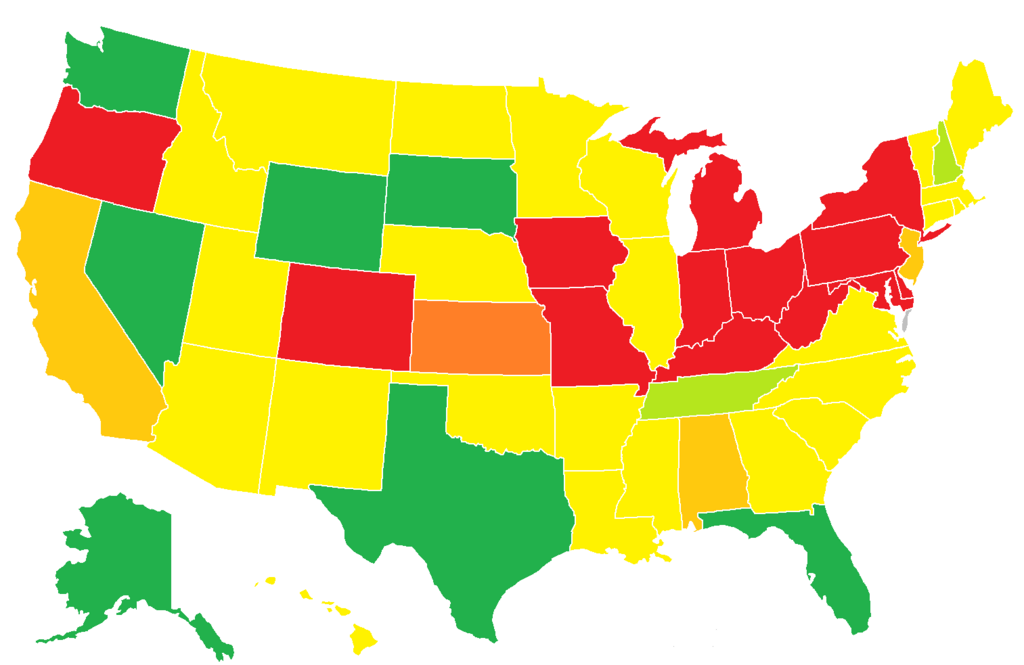
This means you'll likely deal with two tax agencies. The Internal Revenue Service, or IRS, handles federal taxes for the entire country. In California, you'll also work with the Franchise Tax Board (FTB), which manages state taxes.
Because you are in California, you will need to pay attention to the rules from both the IRS and the FTB. They are separate entities with their own forms and deadlines.
What Is Taxable Income?
You don't pay tax on every dollar you earn. Instead, you pay tax on your taxable income. This is the portion of your earnings that the government can actually tax, and it's almost always less than your total income.
taxable income
noun
The amount of income used to calculate how much tax an individual or a company owes to the government in a given tax year.
The calculation starts with your gross income, which is all the money you receive from various sources, including wages, investments, and scholarships (for non-tuition expenses). From this amount, you subtract certain adjustments and deductions to arrive at your taxable income.
Deductions vs. Credits
Deductions and credits both reduce your tax burden, but they work differently. It's an important distinction.
Deductions lower your taxable income. Think of them as discounts on the amount of money that gets taxed. For example, if your income is $50,000 and you claim a $1,000 deduction, the government now only taxes you on $49,000.
Credits, on the other hand, are much more powerful. A tax credit reduces your actual tax bill, dollar for dollar. It's like having a gift card to pay your taxes. If you calculate that you owe $2,000 in taxes but you have a $500 tax credit, you now only owe $1,500.
To put it simply: deductions reduce how much of your income is subject to tax, while credits directly reduce the amount of tax you owe.
The tax code includes many different types of deductions and credits. The ones you can use depend on your specific situation, like your filing status, income level, and expenses. Understanding which ones you qualify for is a key part of filing your taxes correctly.
Now, let's review these core concepts before moving on.
Ready to check your understanding?
If you live and work in California, which two tax agencies are primarily responsible for collecting your personal income taxes?
What is 'taxable income'?
Understanding these basic building blocks—the two-layer system, taxable income, deductions, and credits—is the first step to navigating taxes in the U.S.