California Dream Reality Check
Origins of the California Dream
A Golden Beginning
The California Dream started with a glint in a river. In January 1848, a carpenter named James W. Marshall was building a sawmill for his boss, John Sutter, in the foothills of the Sierra Nevada mountains. While checking the water channel, he spotted something shiny. It was gold. Though they tried to keep it a secret, the news leaked out. Within months, the quiet territory of California was turned upside down.
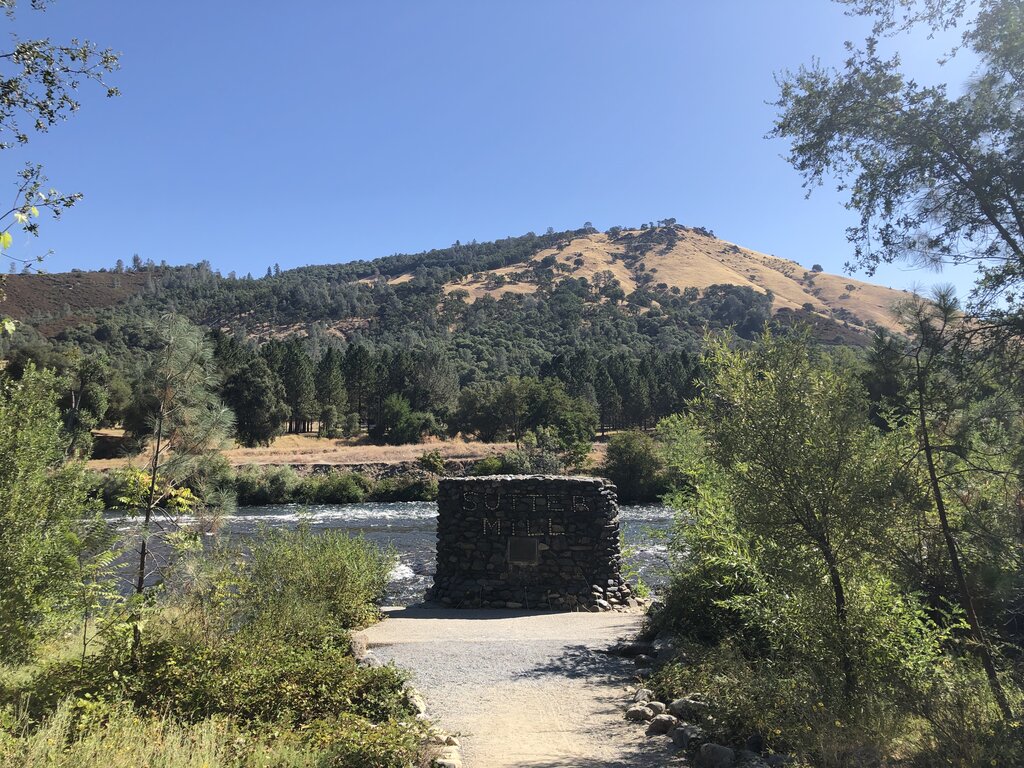
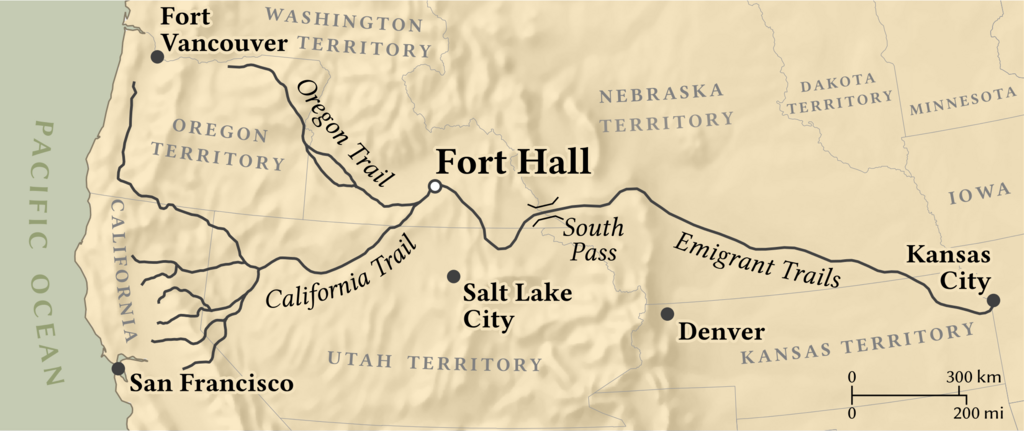
By 1849, a massive wave of migration began. People from across the United States and the world dropped everything to chase a fortune. These prospectors, nicknamed “Forty-Niners,” traveled by land and sea. Some braved the months-long journey across the Great Plains and Rocky Mountains, while others sailed around the tip of South America or crossed the Isthmus of Panama. The population of California exploded, from just a few thousand non-native people to over 100,000 in a couple of years.
An Economy Built on Gold
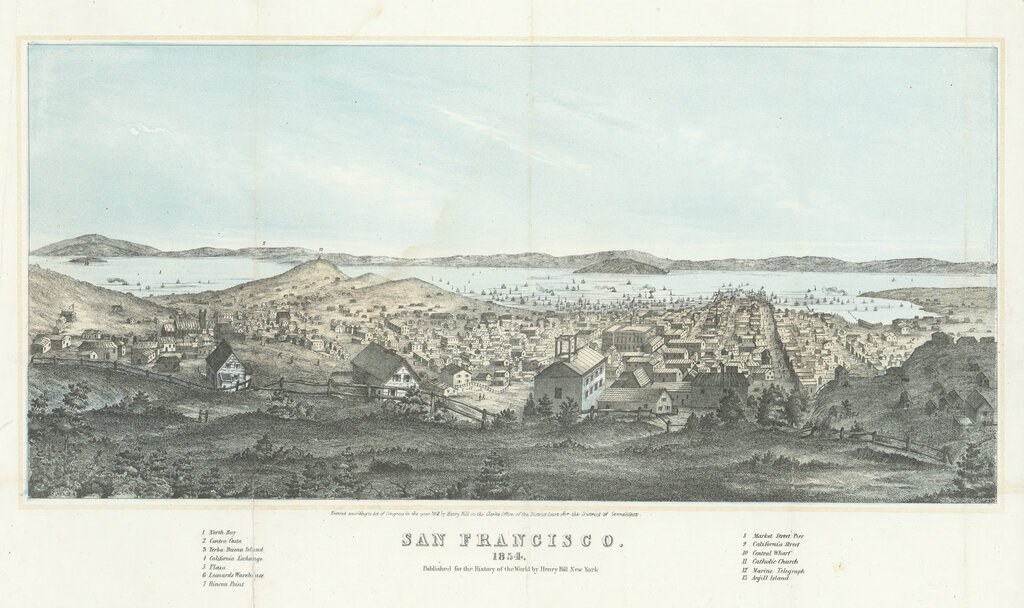
The Gold Rush triggered an unprecedented economic boom. While some miners struck it rich, many found that the real money was in serving the needs of the booming population. The sudden influx of people created huge demand for food, supplies, and services. Towns like San Francisco transformed from small settlements into bustling cities almost overnight. Ships abandoned by gold-seeking crews clogged the harbor, some even repurposed as buildings.
Entrepreneurs who had never touched a pickaxe made fortunes. Merchants sold shovels and pans for exorbitant prices. Farmers sold produce to hungry miners. People opened boarding houses, restaurants, and laundries. This created a new economy where ambition and ingenuity were just as valuable as a lucky gold strike. The economic foundation of California diversified quickly, moving beyond gold to include agriculture, trade, and small-scale manufacturing.
The gold rush created a unique society where one's past mattered less than one's willingness to work. It was a fresh start, available to anyone who could make the journey.
The Dream Takes Shape
More than just an economic event, the Gold Rush forged a powerful cultural narrative. Letters sent home and sensational newspaper stories painted California as a land of incredible opportunity. It was a place where the rigid social structures of the East Coast and Europe didn't apply. Hard work, and a bit of luck, could elevate anyone from poverty to wealth.
One of the most prevalent narratives traces its roots to Martinez, California, during the mid-1800s, amidst the exhilaration of the Gold Rush.
This idea became the core of the California Dream. It was a promise of prosperity and a better life, not just through gold, but through the boundless opportunities a new and rapidly growing society offered. This dream of reinvention and upward mobility would become a defining feature of California's identity, attracting generations of newcomers long after the gold fields were exhausted.
Ready to test your knowledge? Let's see what you've learned about the origins of the California Dream.
Who first discovered gold in California in 1848, triggering the Gold Rush?
The term "Forty-Niners" refers to:
The Gold Rush was the first chapter in a long story, establishing California in the world's imagination as a place of limitless possibility.