California Community Colleges Student Success
Introduction to CCSS
A New Focus on Student Success
California has the largest system of higher education in the United States, with community colleges serving millions of students each year. For a long time, the main goal was access, ensuring that anyone who wanted to attend college could. This open-door policy was a cornerstone of the system.
However, by the early 2000s, it became clear that access alone wasn't enough. Many students were entering college without clear goals, getting lost in the system, and leaving without a degree or certificate. Completion rates were low. To address this, leaders and educators realized a fundamental shift was needed. The focus had to move from simply enrolling students to making sure they succeeded.
What is the Student Success Initiative?
The California Community Colleges Student Success (CCSS) initiative was born from this challenge. It represents a statewide effort to rethink how colleges support students from their first day on campus to their graduation day. It's not a single program, but a guiding philosophy backed by policy.
The primary objectives were straightforward but transformative:
- Improve student outcomes. This means increasing the number of students who earn certificates and associate degrees or transfer to four-year universities.
- Help students define their path. The initiative pushes colleges to help students clarify their educational and career goals early on.
- Provide targeted support. Colleges were encouraged to offer the right support services at the right time, whether it's academic counseling, tutoring, or financial aid guidance.
Essentially, the initiative aimed to create a more structured and supportive environment to guide students through their college journey.
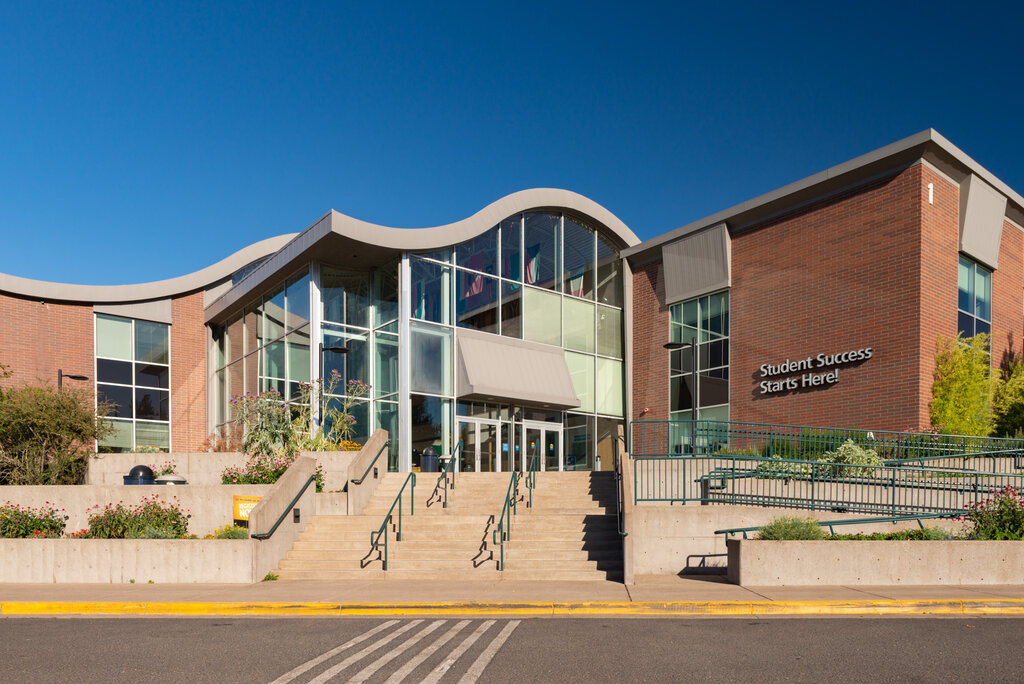
Buildings like this one reflect the changing mission of community colleges. Student services became central to the educational experience, not just an afterthought.
A System-Wide Shift
The significance of the CCSS initiative lies in its scale and ambition. It was a coordinated effort across all 116 California community colleges to change their operational culture. Before this, colleges often operated more independently, with varying levels of student support.
The initiative established a common framework and a shared commitment to student success. It prompted colleges to track student progress more closely, intervene when students were struggling, and redesign services to be more effective and accessible. It put the responsibility on the institutions to build clear pathways for students, rather than leaving students to navigate a complex system on their own.
The goal shifted from simply opening the doors to making sure students walk out with a degree, certificate, or successful transfer.
Let's review the key ideas behind this important initiative.
What was the primary focus of the California Community College system before the Student Success initiative was introduced in the early 2000s?
The California Community Colleges Student Success (CCSS) initiative represented a fundamental shift from _______ to _______.
This focus on the entire student journey marked a pivotal moment for public higher education in California.