Calculator Intelligence The Dawn of AI
Computation vs Cognition
Calculation vs Thought
A calculator is a powerful tool. You can type in a complex problem like , and it spits out the answer, 25704, in an instant. It follows a strict set of rules, an algorithm, to get from the problem to the solution. This process of following predefined rules to manipulate numbers or symbols is called computation.
Computation
noun
The process of calculating or determining something by mathematical or logical methods. It relies on executing a predefined sequence of steps, known as an algorithm.
Computation is precise, reliable, and incredibly fast. It's the bedrock of all modern computers. From adding numbers on a spreadsheet to rendering a complex video game scene, it's all computation. The device takes an input, follows its instructions perfectly, and produces a predictable output. It doesn't get tired, it doesn't make creative guesses, and it certainly doesn't 'understand' the numbers it's crunching.
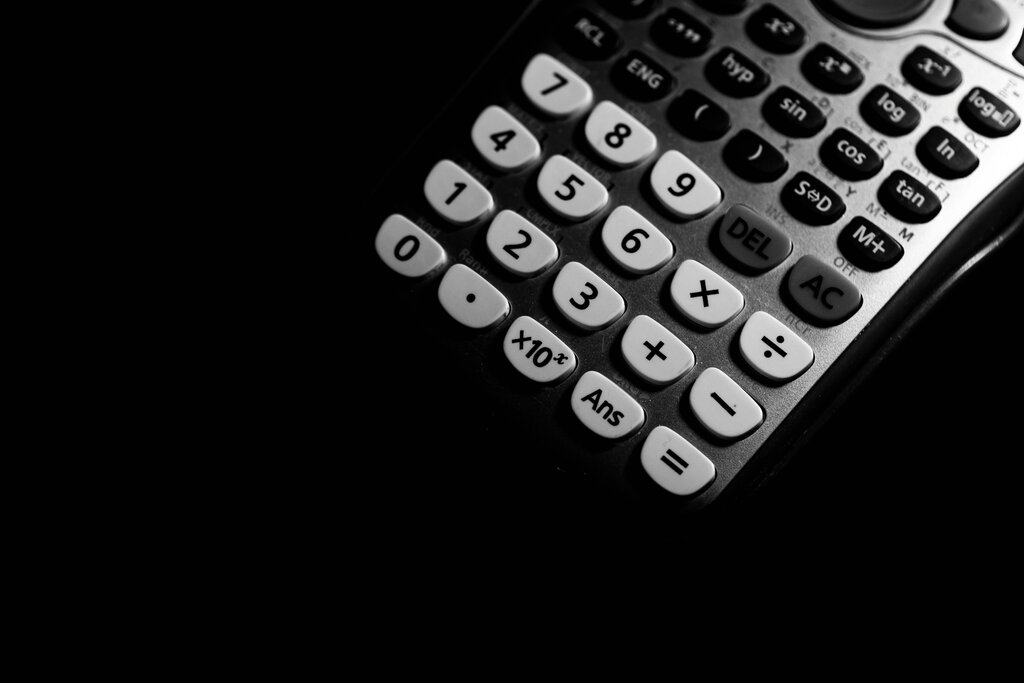
This is where the line gets drawn between a simple calculating device and something more advanced. While a calculator computes, it doesn't think.
The Nature of Cognition
Now, consider how you might approach a problem. If I ask you, "What's a good gift for a friend who loves hiking?" you don't run a simple algorithm. Your mind engages in a different process entirely. You might recall past conversations, picture your friend on a trail, reason about what could be useful or delightful, and maybe even learn by looking up ideas online. This is cognition.
Cognition
noun
The mental action or process of acquiring knowledge and understanding through thought, experience, and the senses. It includes processes like reasoning, learning, problem-solving, and memory.
Cognition is messy, flexible, and adaptive. It's not about following a rigid script. It’s about understanding context, making judgments, and even creating new solutions to problems that have never been seen before. You can recognize a friend's face in a crowd, learn a new language, or figure out how to assemble furniture from confusing instructions. These are all cognitive tasks, far beyond the scope of a simple calculator.
Recent studies in cognitive science, artificial intelligence, and psychology have produced a number of cognitive models of reasoning, learning, and language that are underpinned by computation.
Key Differences
The core distinction lies in process versus understanding. Computation executes a process, while cognition involves understanding.
| Feature | Computation | Cognition |
|---|---|---|
| Nature | Follows explicit rules (algorithms) | Flexible and adaptive |
| Goal | Produces a correct, predictable output | Achieves understanding, learning, or problem-solving |
| Process | Deterministic and mechanical | Involves reasoning, memory, and experience |
| Example | A calculator solving | A person planning a vacation |
Think of it this way: a calculator can tell you the fastest route from point A to point B because it can compute distances and speeds. But it can't tell you the best route, which might involve a scenic detour you'd enjoy, avoiding a neighborhood you dislike, or stopping for the best coffee along the way. That decision requires cognition.
Understanding this difference is the first step toward understanding artificial intelligence. AI seeks to bridge the gap, creating systems that don't just compute but also exhibit cognitive abilities. It's about trying to make a machine that can decide on the scenic route, not just the fastest one.
Ready to test your understanding?
Which of the following tasks is the best example of computation?
The primary characteristic of cognition is its reliance on a rigid, predefined set of rules.
Grasping the distinction between these two concepts is fundamental. It clarifies what a simple machine can do and what we're trying to achieve with more intelligent systems.