Calculating Fixed Rates on Interest Rate Swaps
Interest Rate Basics
The Price of Money
Interest is one of the most fundamental concepts in finance. At its core, it's the cost of using someone else's money. When you take out a loan, you pay interest to the lender. When you deposit money in a savings account, the bank pays you interest.
Interest rates are the cost of borrowing money or the reward for saving it.
Think of it like renting. If you rent an apartment, you pay the landlord for the privilege of using their property. Similarly, interest is the fee for using a lender's money for a period of time. This fee is usually expressed as a percentage of the amount borrowed, known as the principal. This percentage is the interest rate.
principal
noun
The original sum of money borrowed in a loan or put into an investment.
How Interest Is Calculated
Interest isn't all the same. The two most basic ways to calculate it are simple interest and compound interest. The difference between them can have a massive impact on your finances over time.
Simple interest is calculated only on the original principal amount.
It's a straightforward calculation. The interest charge is always the same for each period, because it's always based on that initial amount. The formula is:
Where:
- is the interest earned or paid
- is the principal amount
- is the annual interest rate (in decimal form)
- is the time period in years
For example, if you borrow $1,000 at a 5% simple interest rate for 3 years, the interest you'd pay is calculated as: $1,000 × 0.05 × 3 = $150.
Unlike simple interest, compound interest involves earning interest on interest.
Compound interest is more powerful. It's calculated on the principal amount plus any accumulated interest from previous periods. This means your balance grows faster over time. The formula for the total amount () after a certain period is:
Let's use the same example: $1,000 at 5% for 3 years, but this time it's compounded annually.
- Year 1: $1,000 × 0.05 = $50 interest. New balance: $1,050.
- Year 2: $1,050 × 0.05 = $52.50 interest. New balance: $1,102.50.
- Year 3: $1,102.50 × 0.05 = $55.13 interest. New balance: $1,157.63.
The total interest earned is $157.63, which is more than the $150 from simple interest. The difference might seem small here, but over longer periods and with larger amounts, compounding makes a huge difference.
| Year | Simple Interest Balance | Compound Interest Balance |
|---|---|---|
| 0 | $1,000.00 | $1,000.00 |
| 1 | $1,050.00 | $1,050.00 |
| 2 | $1,100.00 | $1,102.50 |
| 3 | $1,150.00 | $1,157.63 |
| 10 | $1,500.00 | $1,628.89 |
| 20 | $2,000.00 | $2,653.30 |
Why Interest Rates Matter
Interest rates are a vital tool for managing a country's economy. Central banks, like the U.S. Federal Reserve, adjust key interest rates to either encourage or discourage spending and borrowing.
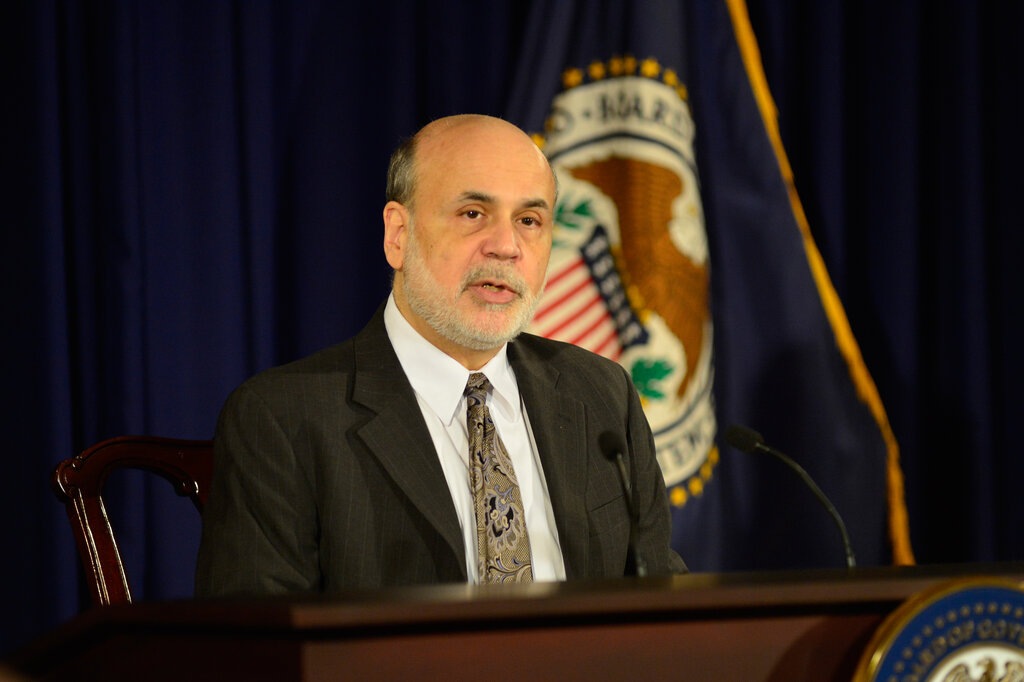
When the economy is sluggish, central banks often lower interest rates. This makes borrowing cheaper for both people and businesses. Cheaper mortgages, car loans, and business loans can stimulate spending and investment, helping the economy grow.
Conversely, if the economy is growing too quickly and causing high inflation (a rapid increase in prices), central banks may raise interest rates. Higher rates make borrowing more expensive, which tends to slow down spending. This can help bring inflation under control.
These rates influence everything from the interest you earn on your savings account to the rate you pay on your credit card and mortgage. They shape major financial decisions for individuals, companies, and governments alike.
Let's check your understanding of these core concepts.
In the context of finance, what is the most accurate definition of 'interest'?
If you borrow at a simple interest rate of 6% per year, how much interest will you owe after 3 years? Use the formula .
Understanding these fundamentals is the first step to navigating the world of finance.