Calculating Finished Goods Safety Stock
Introduction to Safety Stock
The Buffer for Uncertainty
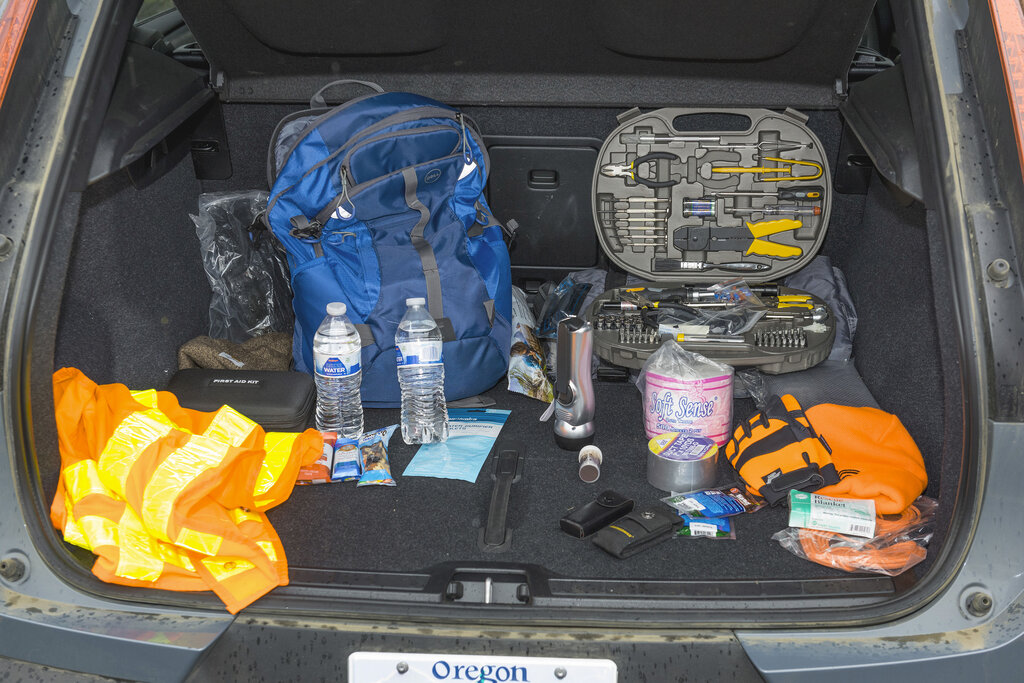
Imagine you’re preparing for a week-long camping trip. You pack enough food for seven days, but you also throw in a few extra energy bars. Why? Because you can't be certain about what might happen. You might get hungrier than expected, a trail could take longer, or a friend might forget their snacks. Those extra bars are your buffer. They're your 'safety stock'.
In business, safety stock is the extra inventory a company holds to protect against unexpected events. It’s the stock you have on hand that’s above and beyond what you expect to sell or use. Its main job is to prevent a stockout, which happens when a customer wants to buy something you don't have.
Running out of stock isn’t just a minor inconvenience. It means a lost sale. Even worse, a disappointed customer might decide to buy from a competitor next time. Consistently being out of stock can seriously damage a company's reputation and customer loyalty. Safety stock acts as a crucial insurance policy against this.
The Balancing Act
If stockouts are so bad, why not just keep huge amounts of extra inventory? Because holding inventory costs money. It takes up warehouse space, requires insurance, ties up cash that could be used elsewhere, and risks becoming obsolete or spoiling. This creates a fundamental trade-off in inventory management.
The goal isn't to eliminate all stockouts. It's to find the sweet spot where you minimize stockout costs without letting your holding costs get out of control.
Deciding how much safety stock to hold is about balancing these two competing costs. You want enough to maintain a high level of service for your customers, but not so much that it drains your resources. So, what causes the uncertainty that makes this buffer necessary in the first place?
Sources of Uncertainty
Two main factors determine how much safety stock you need: demand variability and lead time variability.
Variability
noun
The degree to which data points in a set diverge from the average value. In inventory, it means how much demand or lead time fluctuates from the norm.
Demand Variability: This refers to how much customer demand fluctuates. For a product with very stable, predictable demand, you don't need much safety stock. But if demand is erratic and prone to sudden spikes, a larger buffer is essential. Think of an umbrella store. On most days, sales might be slow and predictable. But on the day of an unexpected downpour, demand will surge. Without safety stock, they'd sell out in minutes.
Lead Time Variability: Lead time is how long it takes for you to receive an order from your supplier after you've placed it. If your supplier is incredibly reliable and every delivery takes exactly five days, your lead time is stable. But what if they are sometimes late? A shipment could be delayed by weather, a problem at their factory, or a shipping issue. This uncertainty in the supply chain is lead time variability. The more unpredictable your suppliers are, the more safety stock you need to cover potential delays.
| Uncertainty Source | Example | Impact on Safety Stock |
|---|---|---|
| High Demand Variability | Fashion items with unpredictable trends | Needs more safety stock |
| Low Demand Variability | Staple goods like toilet paper | Needs less safety stock |
| High Lead Time Variability | Sourcing parts from overseas during a shipping crisis | Needs more safety stock |
| Low Lead Time Variability | A local supplier with a consistent delivery schedule | Needs less safety stock |
Understanding these factors is the first step toward making smarter decisions about how much inventory to keep on hand. It's about preparing for the unknown without going overboard.