Calculating Credit Report TAM from Loan Originations
Understanding Loan Originations
The Start of a Loan
When you apply for a mortgage, car loan, or personal loan, you're kicking off a process called loan origination. It's the entire journey from the moment you submit an application to the moment the funds are officially in your hands, or more often, paid to the seller of the home or car you're buying.
Loan Origination
noun
The multi-step process a lender follows to create a new loan or mortgage, from the initial application by a borrower to the disbursement of funds.
Think of it as the birth of a loan. It's not just a single event but a series of carefully managed steps designed to ensure the lender is making a sound decision and the borrower is getting a loan they can afford.
The Origination Process
While the specifics can vary, the mortgage origination process generally follows a standard path. It begins with you, the borrower, filling out a detailed application.
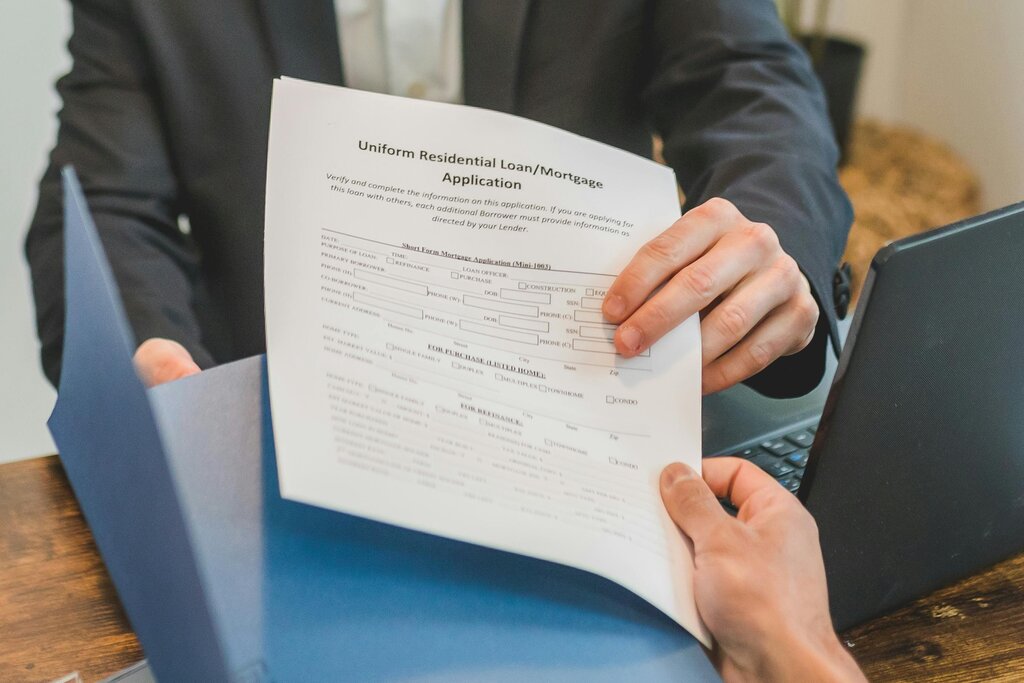
After you submit your application, the lender's team gets to work. They verify your income, employment history, assets, and creditworthiness. This stage is all about due diligence.
The key stages are:
- Application: The borrower submits a formal request for a loan.
- Processing: The lender gathers and verifies all necessary documents.
- Underwriting: An underwriter analyzes the risk and decides whether to approve the loan.
- Closing: The final documents are signed, and the funds are disbursed.
The underwriter is the key decision-maker. They review your entire financial profile to determine if you meet the lender's criteria. If they give the green light, you proceed to closing, where you sign the final paperwork and the loan becomes official.
Why This Data Matters
Lenders, economists, and governments closely track the number and value of loans originated each year. This data is a powerful economic indicator. A high volume of mortgage originations suggests a strong housing market and consumer confidence. People are buying homes, which stimulates other sectors of the economy, from construction to retail.
Conversely, a drop in loan originations can signal an economic slowdown. It might mean people are less confident about their financial future or that borrowing has become too expensive. For a company that provides credit reports, this data is vital for understanding the size of their potential market.
Several key factors can cause loan origination volumes to rise or fall.
| Factor | Impact on Loan Origination Volume |
|---|---|
| Interest Rates | Lower rates make borrowing cheaper, typically increasing volume. Higher rates have the opposite effect. |
| Economic Conditions | A strong economy with low unemployment and rising wages encourages more people to take on loans. |
| Housing Market Trends | High housing inventory and buyer demand lead to more mortgage originations. A slowdown cools the market. |
| Lending Standards | When lenders tighten their requirements, it becomes harder to qualify for a loan, reducing volume. |
These factors are interconnected. For example, the central bank might lower interest rates to stimulate a weak economy, which in turn could boost the housing market and increase loan originations. Understanding this dynamic is key to analyzing the financial health of the lending industry.
What is the primary role of an underwriter in the loan origination process?
The entire journey from submitting a loan application to the funds being officially disbursed is called ______.
The journey of a loan begins long before the first payment is due. The origination process sets the foundation for the entire life of the loan, and tracking its volume provides a window into the health of the broader economy.