CAL FIRE Battalion Chief Exam Preparation
CAL FIRE Policies
The Lay of the Land
Understanding CAL FIRE's policies starts with its structure. The organization isn't just a collection of fire stations; it's a statewide system designed for coordinated response. Everything flows through a clear chain of command, ensuring that decisions are made efficiently, from headquarters in Sacramento to the fire line.
The entire department is led by the Director, who is appointed by the Governor. The Director and their executive team oversee the grand strategy, budget, and statewide policies that guide all operations.
Below the state level, California is divided into two Regions: Northern and Southern. Each region is managed by a Region Chief who oversees multiple Operational Units. There are 21 Operational Units, which generally align with county boundaries. This is where the action is managed on a more local level. Each Unit is led by a Unit Chief.
As a Battalion Chief, your world is the Battalion. You operate within one of these Units, managing several fire stations, personnel, and a specific geographic area. You are the critical link between the on-the-ground firefighters and the Unit-level command structure. Understanding this hierarchy is key, as it dictates how you request resources, report information, and receive orders.
Responding to the Call
When an emergency call comes in, CAL FIRE's operational guidelines provide the playbook. These procedures are designed to create order out of chaos, ensuring a swift, safe, and effective response. The foundation of this playbook is the Incident Command System (ICS).
CAL FIRE uses ICS for all incidents, regardless of size. This standardized system allows for seamless integration of personnel and resources from different agencies. As a Battalion Chief, you will often be the initial Incident Commander (IC) on a scene. Your first priorities are to establish command, assess the situation, ensure firefighter safety, and set initial objectives.
Policy dictates a methodical approach. The initial response, or "initial attack," is focused on stopping the incident's spread with the first-arriving resources. If the incident grows beyond the capability of these resources, it transitions to an "extended attack." This involves ordering more assets and potentially transitioning command to a higher-ranking officer or a dedicated incident management team.
Key operational policies govern every aspect of the response, from how to establish a safety zone to the procedures for ordering a helicopter. These aren't just suggestions; they are rules forged from experience to protect both civilians and firefighters.
Every action on an incident has a corresponding policy. Your role is to know these policies so you can make sound tactical decisions under pressure.
Managing the Team
Beyond the fireground, a Battalion Chief is an administrator and manager. This side of the job is governed by a comprehensive set of administrative and personnel policies. These protocols ensure fairness, consistency, and legal compliance across the department.
Your administrative duties are extensive. You are responsible for approving payroll, managing your battalion's budget, overseeing station maintenance, and ensuring all reports are completed accurately and on time. This paperwork is crucial for accountability and for tracking the department's activities and expenditures.
| Report/Form | Purpose | Frequency |
|---|---|---|
| Incident Report (ICS-201) | Initial incident documentation and briefing | Per incident |
| Personnel Evaluation | Documenting employee performance | Annually |
| Injury/Exposure Report | Reporting any firefighter injury or hazardous exposure | As needed |
| Station Log | Daily record of station activities | Daily |
Personnel management is just as critical. You will handle everything from scheduling and leave requests to disciplinary actions and performance evaluations. CAL FIRE policies provide a clear framework for these tasks. For example, procedures for addressing a grievance or initiating a formal investigation are explicitly detailed. Your job is to apply these policies consistently and impartially. Familiarity with the Memoranda of Understanding (MOU) for the employees you supervise is essential, as these labor agreements work in tandem with departmental policy.
Deploying Assets
One of a Battalion Chief's most important functions during an incident is securing the right resources at the right time. CAL FIRE's resource allocation policies provide a systematic process for ordering and deploying everything from fire engines to bulldozers to aircraft.
The system is designed to be scalable. For a small fire, you might only need resources from within your own battalion or unit. As an incident grows, you'll tap into a regional and statewide system. Resources are ordered through an established dispatch and coordination network, ensuring the closest available assets are sent first.
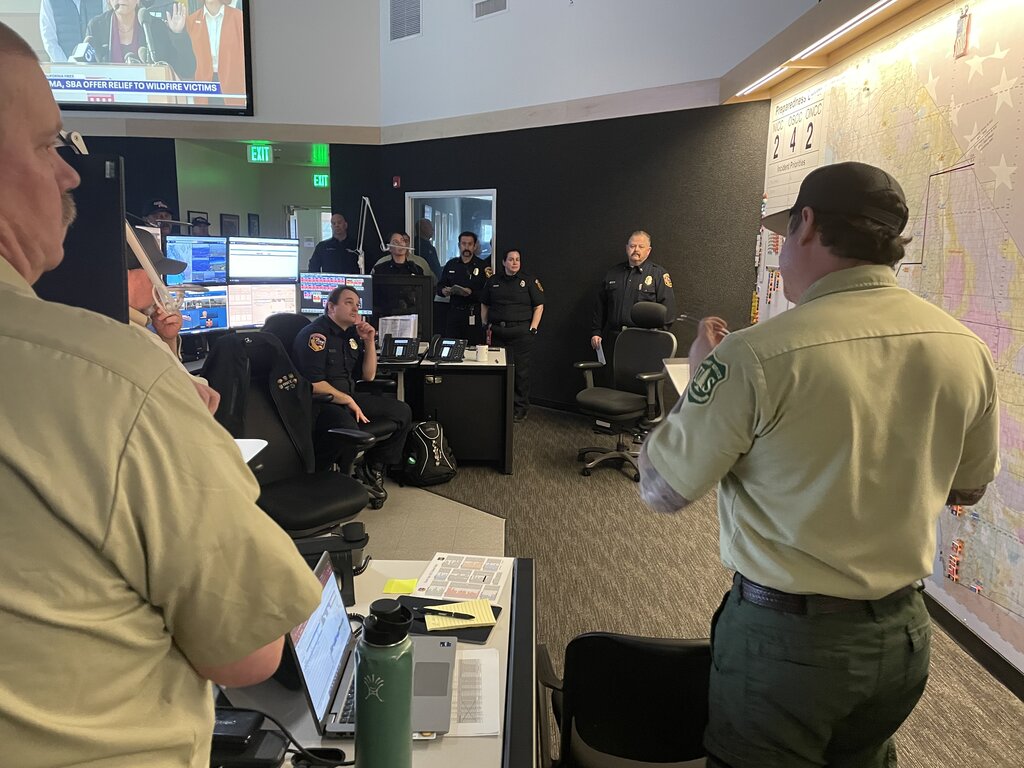
Policies also dictate financial considerations. You'll learn the difference between department-owned resources and those hired from private contractors. There are specific procedures for activating agreements with cooperating local government fire departments as well. Understanding these distinctions is vital for managing incident costs and ensuring proper payment.
This system prevents a chaotic free-for-all where everyone is competing for the same resources. It prioritizes incidents based on threats to life and property, ensuring that assets are distributed logically and efficiently across the state.
The CAL FIRE organizational structure is hierarchical. What is the level of command directly above an Operational Unit?
According to CAL FIRE operational policy, the Incident Command System (ICS) is implemented for which types of incidents?
Mastering these policies is a foundational part of stepping into the Battalion Chief role. They provide the structure and procedures necessary to lead effectively within a large, complex organization like CAL FIRE.