Cabin Underbelly Insulation Techniques
Understanding Heat Transfer
The Three Ways Heat Moves
Heat is thermal energy on the move. It always flows from a warmer area to a cooler one, seeking balance. This transfer happens in three distinct ways: conduction, convection, and radiation. Understanding these mechanisms is the first step in managing how a building stays warm in the winter and cool in the summer.
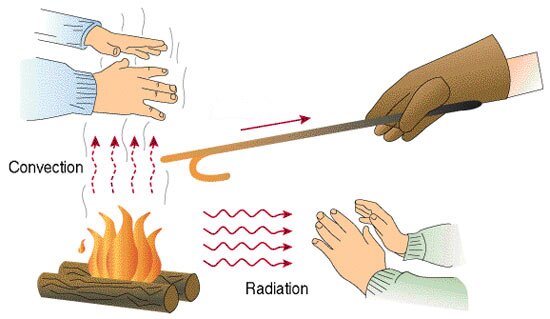
Think of a metal spoon left in a pot of hot soup. Soon, the handle becomes hot to the touch, even though it's not directly in the liquid. This is conduction, the transfer of heat through direct physical contact. The fast-moving molecules in the hot soup bump into the molecules of the spoon, passing their energy along molecule by molecule up the handle.
Conduction
noun
The transfer of heat between substances that are in direct contact with each other.
Now, consider the air above that pot of soup. The air directly over the soup gets warm, becomes less dense, and rises. Cooler, denser air then moves in to take its place, gets warmed up, and also rises. This circular movement is convection, the transfer of heat through the movement of fluids like air or water.
Convection
noun
The transfer of heat through the movement of fluids (gases or liquids), where warmer fluid rises and cooler fluid sinks.
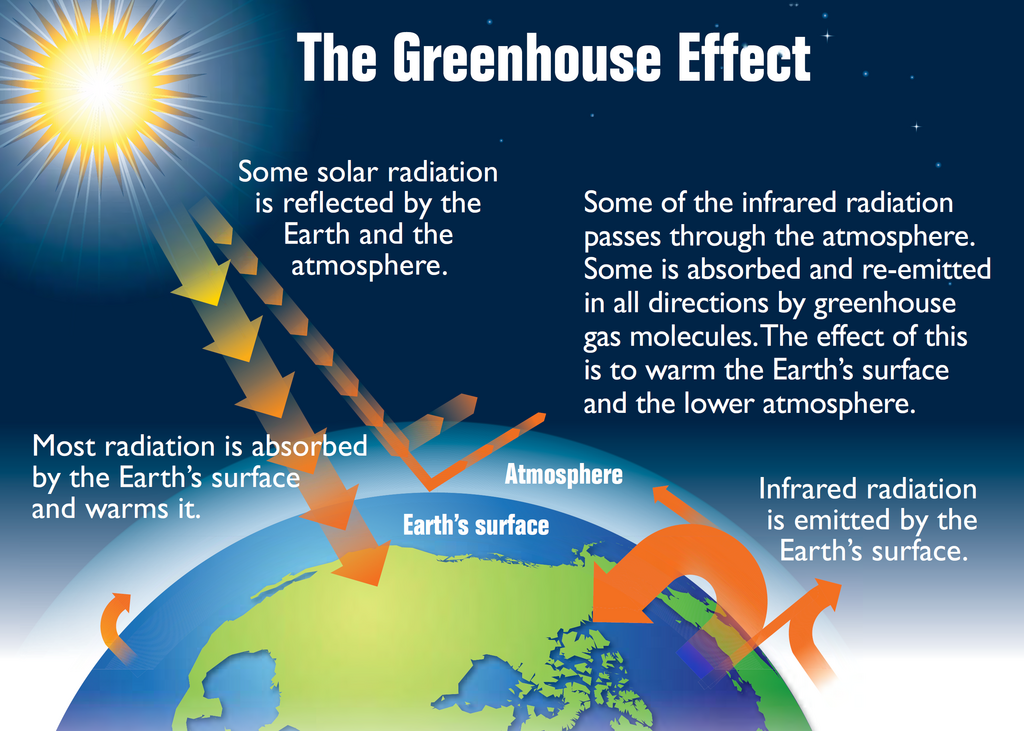
Finally, if you hold your hand near the side of the hot pot without touching it, you can still feel the warmth. This is radiation. Heat is traveling from the pot to your hand as invisible electromagnetic waves, specifically infrared radiation. Unlike conduction and convection, radiation doesn't need a medium—it can travel through the vacuum of space. It's how the sun warms the Earth.
Resisting the Flow
Since heat always tries to move from hot to cold, a key goal in building design is to slow down this transfer. We want to keep heat inside during the winter and outside during the summer. The ability of a material to resist the flow of heat is called its thermal resistance.
The higher the thermal resistance, the better a material is at insulating.
We measure thermal resistance using an R-value. A material with a high R-value is a poor conductor of heat and a good insulator. A material with a low R-value is a good conductor and a poor insulator. For example, a thick piece of foam has a much higher R-value than a thin sheet of metal.
R-value
noun
A measure of thermal resistance, or how well a material or a structure resists the flow of heat. A higher R-value indicates better insulating properties.
The total R-value of a structure, like a wall, is the sum of the R-values of all its individual layers—the siding, sheathing, studs, insulation, and drywall. This is why multi-layered walls provide better insulation than a single, solid material.
Heat Transfer in Buildings
In a real building, all three forms of heat transfer are constantly at play. Understanding how they work together is crucial for creating an energy-efficient space.
Heat conducts through the solid materials of the building envelope: the walls, roof, windows, and floors. On a cold day, heat from inside the house slowly passes molecule by molecule through the drywall, studs, and siding to the outside.
Convection occurs as air moves. Warm air rises and can escape through gaps in the attic, while cold air can enter through cracks around windows and doors, creating uncomfortable drafts. The air within the empty spaces of a wall can also set up small convection currents, transferring heat from the warm inner side to the cool outer side.
Radiation plays a major role, too. In the summer, the sun radiates heat onto the roof and walls, which then gets conducted inside. Windows are particularly significant; solar radiation passes right through the glass to heat interior surfaces. In the winter, warm interior objects, including you, radiate heat towards colder surfaces like windows and uninsulated walls.
Effective insulation works by addressing all three types of heat transfer. It reduces conduction with materials that have a high R-value, stops convection by preventing air movement, and can block radiation with reflective surfaces.
By understanding these principles, we can make informed choices about how to build and maintain our homes, keeping them comfortable while using less energy.