Cabin Crew Essentials
Introduction to Cabin Crew Roles
More Than Safety Aloft
The most visible part of a cabin crew member's job might be the meal service, but their fundamental role is far more critical. Their primary responsibility isn't hospitality; it's safety. Every flight attendant is a trained safety professional, responsible for the well-being of every passenger on board from the moment they step on the plane until they deplane.
Before passengers even board, the crew conducts rigorous pre-flight checks. They inspect emergency equipment like fire extinguishers, oxygen bottles, and first aid kits to ensure everything is in place and functional. During the flight, they continuously monitor the cabin, ready to respond to any situation, from a medical issue to severe turbulence. Their calm and professional demeanor during an emergency is the result of extensive and repeated training.
A cabin crew position is more than serving meals and drinks.
From Steward to Safety Expert
The role of cabin crew has evolved dramatically. The first flight attendants, introduced in the 1930s, were registered nurses. Their presence was meant to reassure a public wary of air travel. The focus was almost entirely on passenger comfort, serving meals and making the journey pleasant.
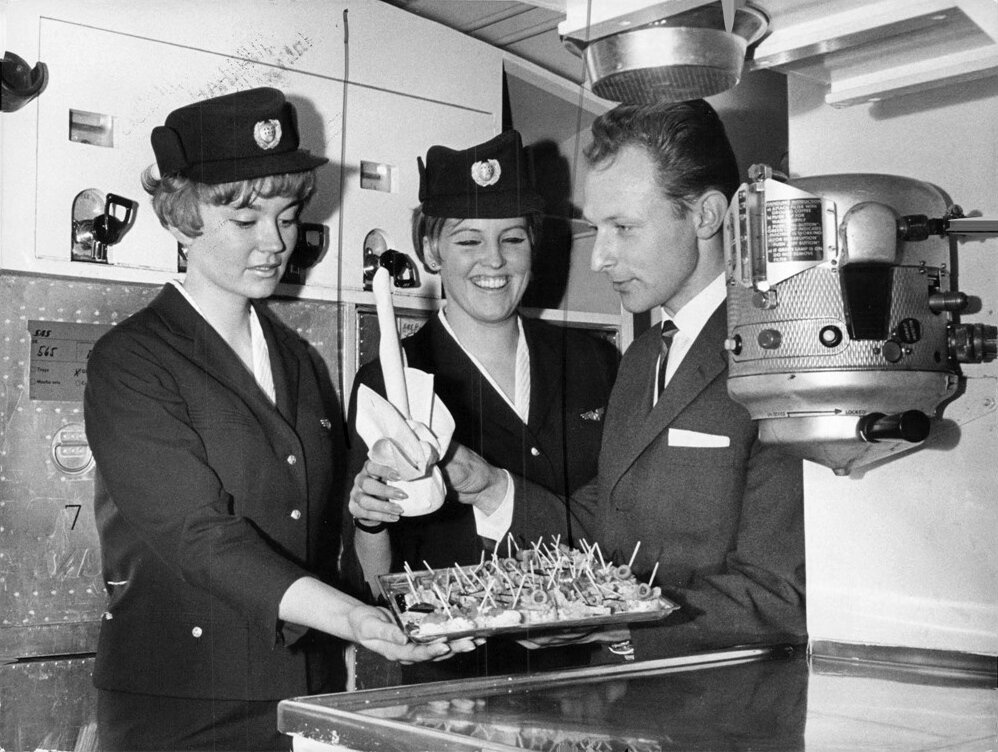
Over the decades, as aircraft became more complex and carried more people, the job shifted. Major aviation incidents and a deeper understanding of in-flight risks led to a transformation. While service remains an important part of the job, the industry recognized that the crew inside the cabin were the first responders in any emergency. This led to a profound change in training, prioritizing safety procedures, emergency evacuation, firefighting, and medical aid above all else.
The Rule Makers
This focus on safety isn't optional; it's mandated by powerful regulatory bodies that set the standards for air travel worldwide. These organizations ensure that every airline and every crew member adheres to the highest safety protocols. They influence everything from the design of an aircraft's cabin to the specific training modules a flight attendant must pass.
Three of the most significant bodies are:
-
International Civil Aviation Organization (ICAO): A specialized agency of the United Nations, ICAO sets global standards and recommended practices for aviation safety, security, and efficiency. While it doesn't have enforcement power, its standards are adopted by its 193 member states.
-
Federal Aviation Administration (FAA): The governing body for all aspects of civil aviation in the United States. The FAA's regulations are comprehensive and legally binding for U.S. airlines and any airline operating in U.S. airspace.
-
European Union Aviation Safety Agency (EASA): EASA is the centerpiece of the European Union's strategy for aviation safety. It develops common safety and environmental rules for civil aviation in Europe and for all aircraft operating within the EU.
These agencies work to harmonize safety regulations across the globe, ensuring that no matter where you fly, the crew is trained to a rigorous, internationally recognized standard.
Ready to test your knowledge on the fundamentals of the cabin crew profession?
What is the primary, most critical responsibility of a cabin crew member?
What was the required profession for the very first flight attendants in the 1930s?
Understanding these foundational aspects of the cabin crew role is the first step in appreciating the skill and professionalism required to ensure safety in the skies.