Bypassing Banking Licenses For Private Banks
Introduction to Banking Regulations
The Rules of the Road
Banks aren't like other businesses. They hold our savings, provide loans for homes and businesses, and keep the economy moving. Because their role is so critical, a complex web of rules and regulations governs everything they do. These rules are designed to protect consumers, prevent financial crimes, and ensure the entire banking system remains stable.
In the United States, several key government agencies act as the referees. Each has a specific job:
- The Federal Reserve (The Fed): The nation's central bank. It supervises many of the largest banks to ensure they are safe and sound, and it also manages the country's money supply.
- The Office of the Comptroller of the Currency (OCC): A part of the Treasury Department, the OCC charters, regulates, and supervises all national banks and federal savings associations.
- The Federal Deposit Insurance Corporation (FDIC): The FDIC insures deposits in banks, guaranteeing your money is safe up to a certain limit (currently $250,000) if a bank fails. It also supervises a variety of state and national banks.
Fighting Financial Crime
A major focus of banking regulation is preventing criminals from using the financial system for illegal activities. The foundational law for this is the Bank Secrecy Act (BSA), passed in 1970. Its primary goal is to combat money laundering.
money laundering
noun
The process of making illegally-gained money (from drug trafficking, theft, etc.) appear to have come from a legitimate source.
Under the BSA, banks are required to keep records and file reports on certain transactions. For example, they must report any cash transaction over $10,000 to the government. They also must file Suspicious Activity Reports (SARs) if they spot transactions that don't seem legitimate, regardless of the amount.
After the terrorist attacks of September 11, 2001, these rules were strengthened significantly by the USA PATRIOT Act. This law expanded the scope of the BSA to also focus on preventing the financing of terrorism. It introduced strict "Know Your Customer" (KYC) rules.
Know Your Customer rules require banks to verify the identity of their clients. This makes it harder for individuals to open accounts anonymously to hide illicit funds.
Preventing Another Crisis
The financial crisis of 2008 was a painful lesson in what can happen when the financial system is unstable. In response, Congress passed the Dodd-Frank Wall Street Reform and Consumer Protection Act in 2010. It was the most significant overhaul of financial regulation since the Great Depression.
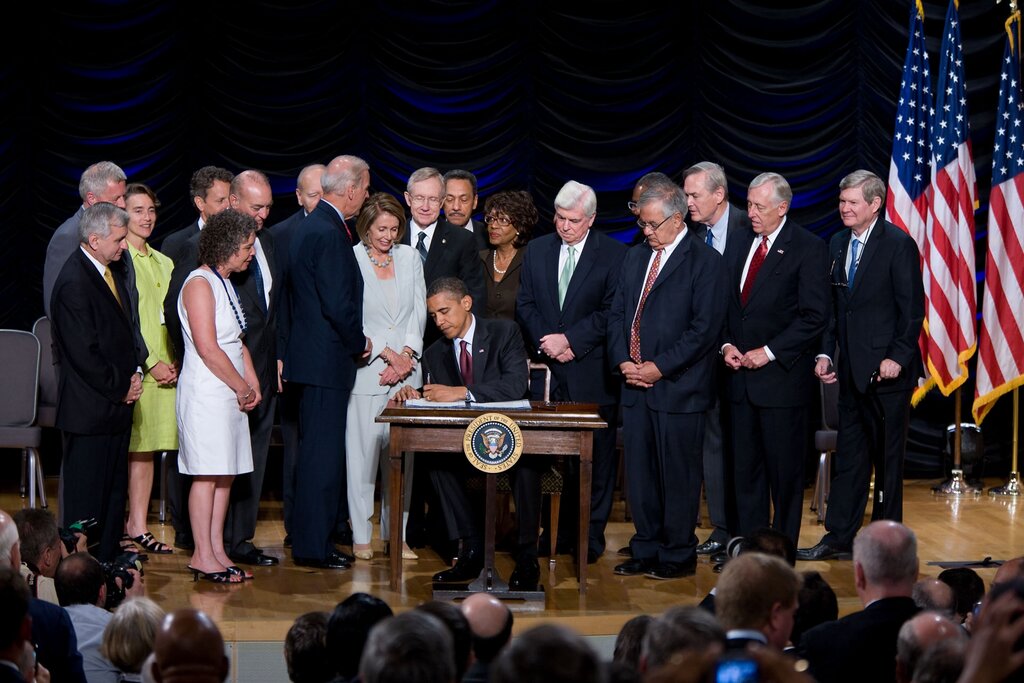
Dodd-Frank is a massive piece of legislation, but its goals are straightforward: to promote financial stability and protect consumers. It introduced several major changes:
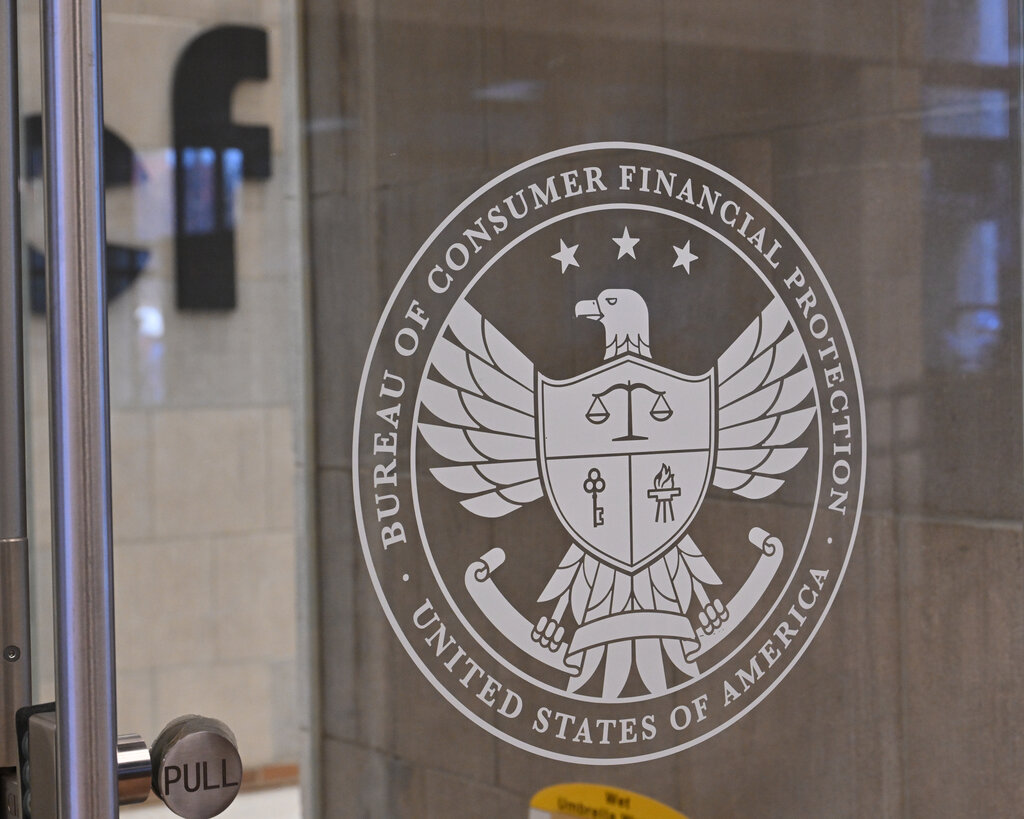
- Consumer Protection: It created the Consumer Financial Protection Bureau (CFPB), a new agency dedicated to protecting consumers from unfair, deceptive, or abusive practices related to financial products like mortgages and credit cards.
- Limiting Risky Behavior: The act included the "Volcker Rule," which restricts banks from making certain kinds of speculative investments that don't benefit their customers.
- Strengthening Banks: It required banks to hold more capital in reserve. Think of this as a bigger financial cushion. Having more capital on hand makes a bank less likely to fail if it experiences unexpected losses.
Together, these regulations form a framework that aims to keep the banking system resilient, fair, and free of criminal activity. While the rules are complex, their purpose is simple: to ensure that the institutions we trust with our money are operating safely and responsibly.
Time to check what you've learned.
What is the primary role of the Federal Deposit Insurance Corporation (FDIC)?
The Bank Secrecy Act (BSA) requires banks to report cash transactions that exceed a certain amount. What is that amount?