Bybit Corporate Account Implementation
Complex Entity Documentation
Beyond the Basics: Advanced Corporate Docs
Passing corporate verification goes deeper than just providing a certificate of incorporation. Financial institutions need to understand exactly who owns and controls a company. This is especially true for complex entities where ownership isn't always straightforward. Getting your documents in order beforehand is the key to a smooth onboarding process.
Proving Ownership and Control
Two of the most fundamental documents you'll need are the Register of Shareholders and the Register of Directors. These are not mere suggestions; they are official records that detail the ownership and management structure of your company.
The Register of Shareholders lists every person or entity that owns shares. For each shareholder, it should clearly state the number and class of shares held. Similarly, the Register of Directors lists all appointed directors, providing a clear picture of who is steering the ship. These documents must be current, officially signed, and dated.
The primary goal of reviewing these registers is to identify the (UBO). A UBO is the real person who ultimately owns or controls the company, even if they do so through a chain of other companies. The global standard for UBO identification is a 25% ownership stake. If any individual directly or indirectly holds 25% or more of the company's shares or voting rights, they are considered a UBO and their identity must be verified.
If an individual owns 25% or more of your company, directly or indirectly, they are a UBO. Their personal identity documents will be required.
Mapping Complex Structures
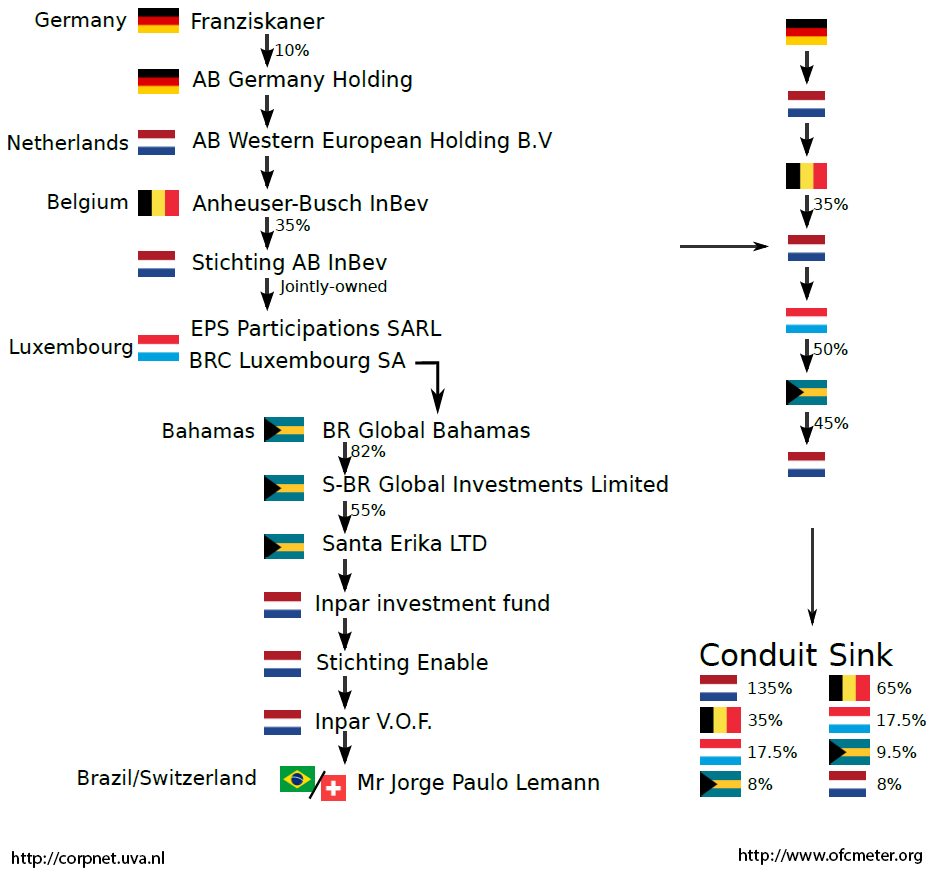
For a simple company with one or two individual owners, identifying the UBO is easy. But what about multi-layered holding companies, or foundations? In these cases, a simple list of shareholders isn't enough. You'll need to provide a detailed organizational chart.
This chart should visually map out the entire ownership structure, layer by layer. It must show every entity in the chain, from the top holding company down to the operating business, including the jurisdiction of each entity. Crucially, the chart must indicate the exact ownership percentage at each level, allowing an analyst to trace the path to any UBOs.
For trusts, you must provide the full, executed Trust Deed. This legal document outlines the trust's rules and identifies the settlor (who created the trust), the trustee (who manages it), and the beneficiaries (who benefit from it). For foundations, a similar document, often called a Foundation Charter or Statutes, is required.
These documents are scrutinized to determine who holds effective control. It might be the settlor, a protector, or the beneficiaries. All individuals with significant control will be treated as UBOs.
Verifying Your Business Address
Finally, every corporate entity must provide a Proof of Address (POA). This verifies the physical location of the business. Unlike personal POA, this must be in the company's legal name, not the name of a director or owner.
Acceptable documents typically include:
- A utility bill (electricity, water, gas, internet)
- A bank statement from a recognized financial institution
- A government-issued letter or notice
The key requirement is that the document must be recent, usually issued within the last three months. It must also clearly show the company's full legal name and registered address, matching the information on your other corporate documents.
The information that they have to provide includes the names, dates of birth, addresses, and identification numbers of their beneficial owners.
By preparing these detailed documents in advance, you demonstrate transparency and make it easy for compliance teams to verify your corporate structure, paving the way for a successful and speedy registration.