Buying Raw Land
Understanding Land Types
Land Isn't Just Land
When you think about buying a piece of property, you might just picture a patch of dirt. But not all land is created equal. From a completely untouched wilderness to a plot with a house already on it, land is categorized based on its level of improvement. The three main types you'll encounter are raw, undeveloped, and developed land.
Understanding these distinctions is the first step in making a smart land purchase. Each type comes with its own set of opportunities and challenges.
Let's start with the most basic form: raw land. This is land in its natural state. Think of a dense forest, a desert scrubland, or a grassy meadow far from any town. It has no access to utilities like water, electricity, or sewer systems. There are no roads leading to it, no fences, and no improvements of any kind. It is a true blank canvas.
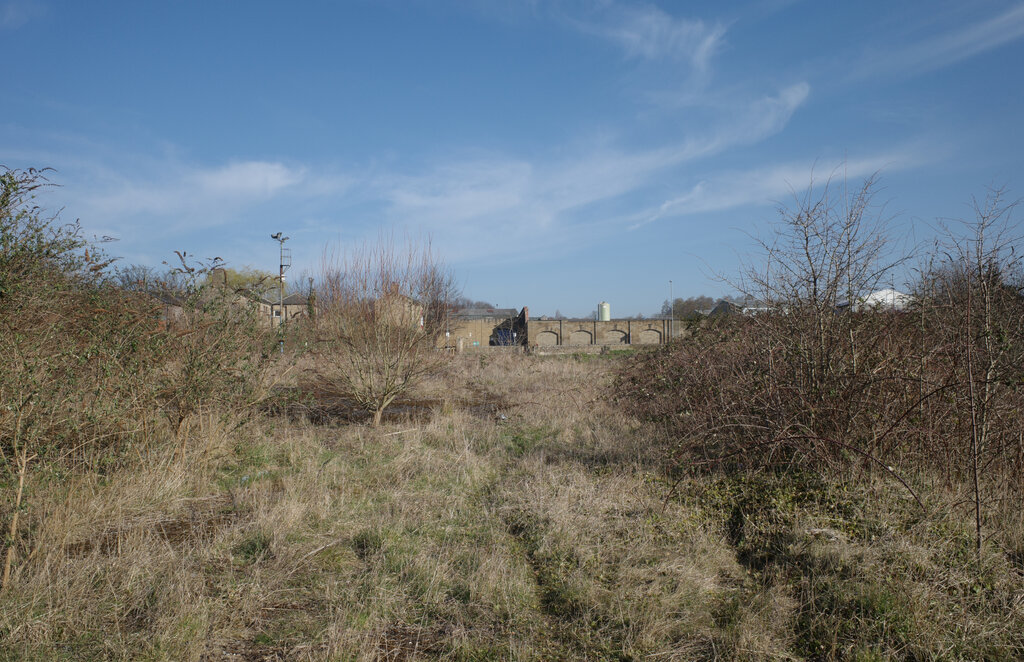
Next is undeveloped land. This is a step up from raw land. While it doesn't have any buildings on it, it's typically easier to build on. It might have access to a public road and be located near existing utility lines. Sometimes the land has been partially cleared or graded. It's still a blank slate for building, but some of the initial, difficult groundwork has already been laid, or is at least within reach.
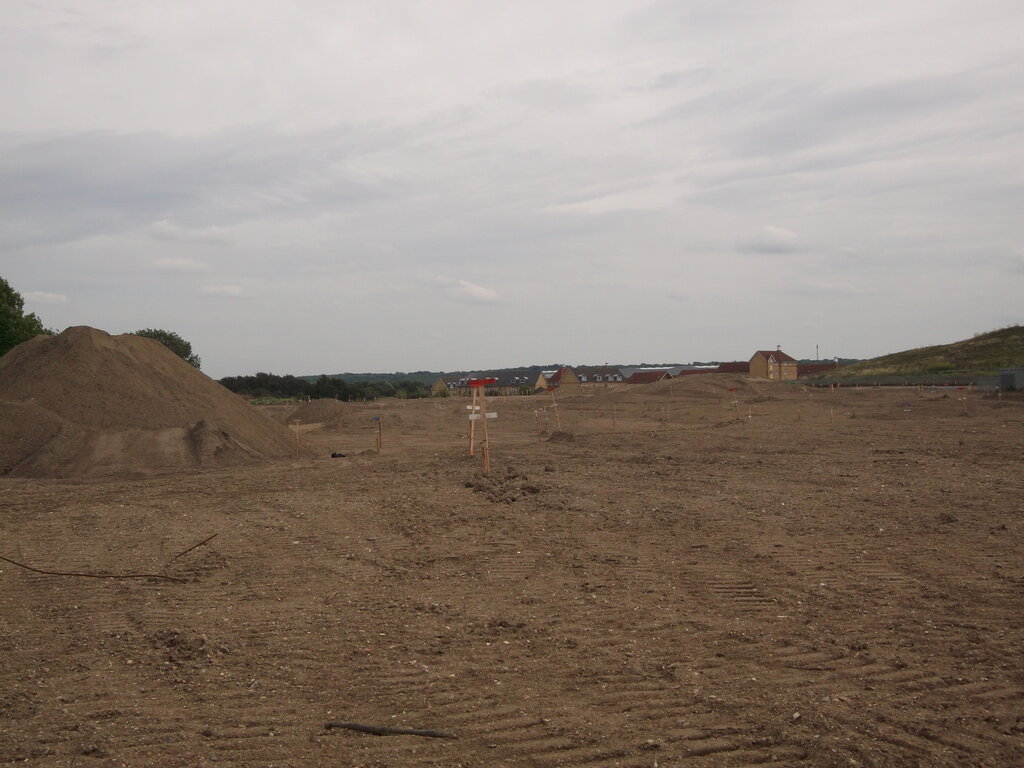
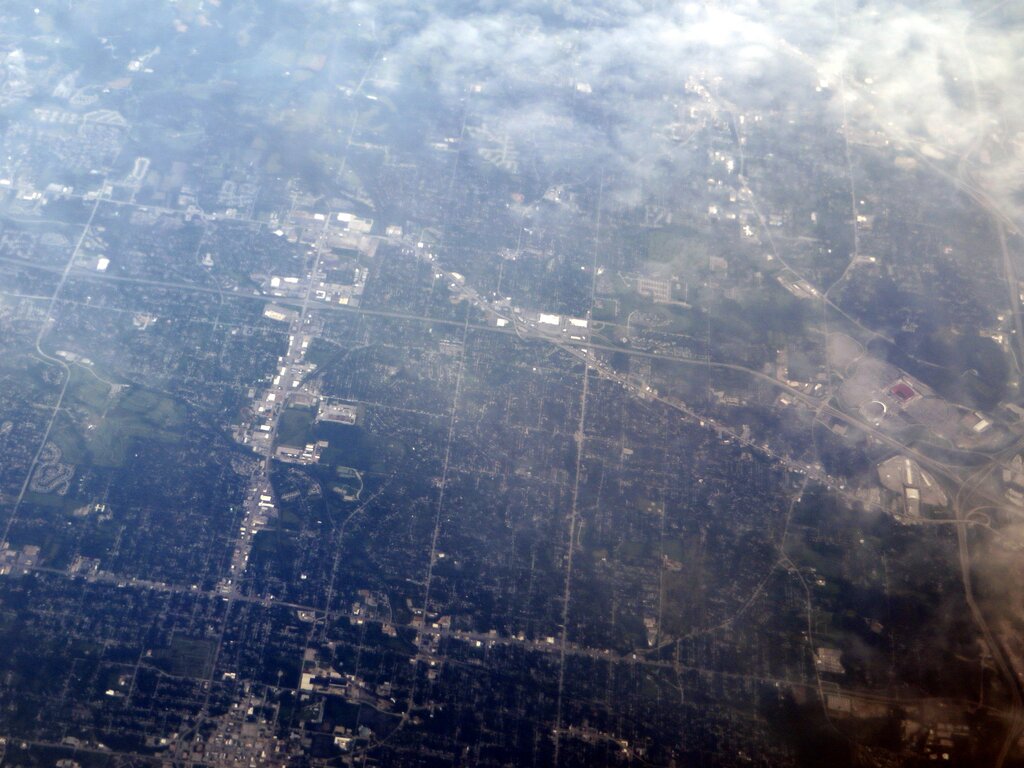
Finally, we have developed land. This is land that has been fully improved and is ready for use. It has direct access to roads and is connected to all necessary utilities. Most importantly, it usually has a structure on it, like a house, a commercial building, or a factory. When you buy a home in a subdivision, you're buying developed land.
Weighing Your Options
For many, the appeal of raw land is strong. It offers the ultimate freedom to create something from scratch. But this freedom comes with significant considerations. Let's break down the advantages and disadvantages of investing in raw land.
| Advantages | Disadvantages |
|---|---|
| Lower Purchase Price | No Utilities |
| Blank Canvas | Zoning & Permitting Hurdles |
| High Appreciation Potential | Long-Term Investment |
| Low Property Taxes | Difficult to Finance |
The low initial cost of raw land is a major draw. Because you're not paying for any infrastructure, buildings, or improvements, the price per acre can be significantly less than for undeveloped or developed parcels. This also often translates to lower property taxes.
However, the lack of utilities is a huge factor. Bringing in water, power, and septic systems can be a complex and expensive process. You'll also need to navigate local zoning laws and obtain the right permits before you can build anything, which can be a bureaucratic headache. Raw land is a long game; its value grows as the area around it develops, but this can take years or even decades.
The most important step before buying raw land is due diligence. Research zoning restrictions, survey the land, and get firm quotes for bringing in utilities.
Ready to check your understanding?
What is the defining characteristic of raw land?
You are looking at a property that is an empty lot in a new subdivision. It has a paved road, a sidewalk, and connections for water, sewer, and electricity are already in place at the edge of the property. What type of land is this?
By knowing the differences between raw, undeveloped, and developed land, you can better define your goals and make a choice that aligns with your budget, timeline, and vision.