Buying Land for Your Cabin Dream
Understanding Off-Grid Living
What Is Off-Grid Living?
At its core, living off-grid means choosing independence from public utilities. This isn't just about rustic cabins in the woods, though that's a common image. It's a deliberate choice to operate a home without connections to the electrical grid, municipal water supply, or public sewer systems.
Off-grid
adjective
Not connected to or served by publicly or privately managed utilities, such as electricity, gas, water, or sewer.
Instead of relying on a power company, you generate your own electricity, typically with solar panels, wind turbines, or a micro-hydro system. Water might come from a private well or a rainwater catchment system. Waste is managed on-site with a septic system or composting toilets. You become your own utility manager, responsible for every watt of power and drop of water you use.
The Appeal of Unplugging
People pursue an off-grid lifestyle for many reasons, but they often boil down to a desire for greater freedom and control over their lives. It's a powerful shift from being a consumer of services to a producer of your own resources.
Self-sufficiency is a major driver. There's a deep satisfaction in knowing you can provide for your basic needs—power, water, and warmth—without relying on external systems that can be vulnerable to outages or price hikes.
Environmental consciousness is another key motivation. By generating clean energy and being hyper-aware of resource consumption, off-gridders often have a significantly smaller ecological footprint. When you have a limited amount of stored solar power, you think twice before leaving a light on.
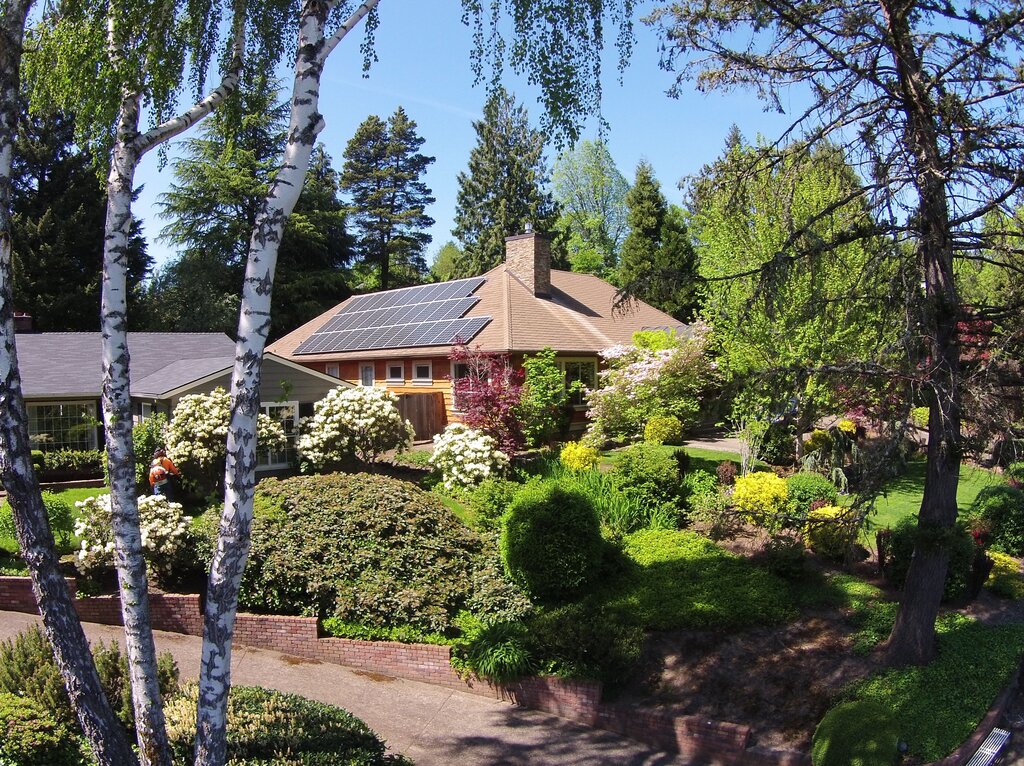
Finally, there's the promise of financial independence. While the initial setup costs can be high, living off-grid eliminates monthly utility bills. This can free up significant financial resources over the long term, reducing dependency on a traditional income and opening up a simpler way of life, often closer to nature.

Realities and Challenges
The off-grid dream requires a healthy dose of realism. It’s a hands-on lifestyle that comes with a unique set of challenges that go far beyond simply installing some solar panels.
You must decide whether you intend to live off-grid or rely on conventional utilities.
First, you are in charge of everything. Resource management becomes a daily task. You'll need to monitor your battery levels, check your water tanks, and maintain your systems. A cloudy week could mean conserving electricity, and a dry spell could mean shorter showers. This requires discipline and foresight.
Legal and logistical hurdles are also significant. Many counties have zoning regulations and building codes that can make a fully off-grid home difficult or impossible to build legally. Some require a connection to the grid or have strict rules about well and septic placement. Thorough research into local ordinances is a critical first step.
Then there are the practical skills. When a water pump fails or an inverter stops working, you can't just call a utility company. You are the repair person. A successful off-gridder needs to be a jack-of-all-trades, comfortable with plumbing, electrical work, and general maintenance.
Finally, consider the social aspects. Living off-grid can mean living in a remote area, which can lead to isolation. Access to amenities like high-speed internet, schools, shopping, and healthcare may be limited. It's a trade-off that requires careful thought about what you truly need to be happy and comfortable.
Now that we've covered the basics of the off-grid lifestyle, let's review some key concepts.
Ready to test your knowledge?
What is the defining characteristic of an off-grid lifestyle?
Which of the following is NOT typically a primary motivation for adopting an off-grid lifestyle?
Understanding these core ideas is the first step. With this foundation, you can start to explore the practicalities of finding the right piece of land for your own off-grid aspirations.