Buy vs Rent Home Financial Analysis
Understanding Homeownership
What Homeownership Really Means
Owning a home is more than just having a place to live. It's a significant financial and personal commitment. When you own a home, you're responsible for everything about it, from the roof over your head to the pipes in the walls. This includes regular maintenance, unexpected repairs, and paying for utilities and property taxes.
Unlike renting, where a landlord handles these issues, the responsibility falls squarely on your shoulders. A leaky faucet? That's on you to fix or hire someone to fix. The lawn needs mowing? It's your job. This level of responsibility gives you complete control over your living space, allowing you to paint walls, renovate the kitchen, or plant a garden without asking for permission.
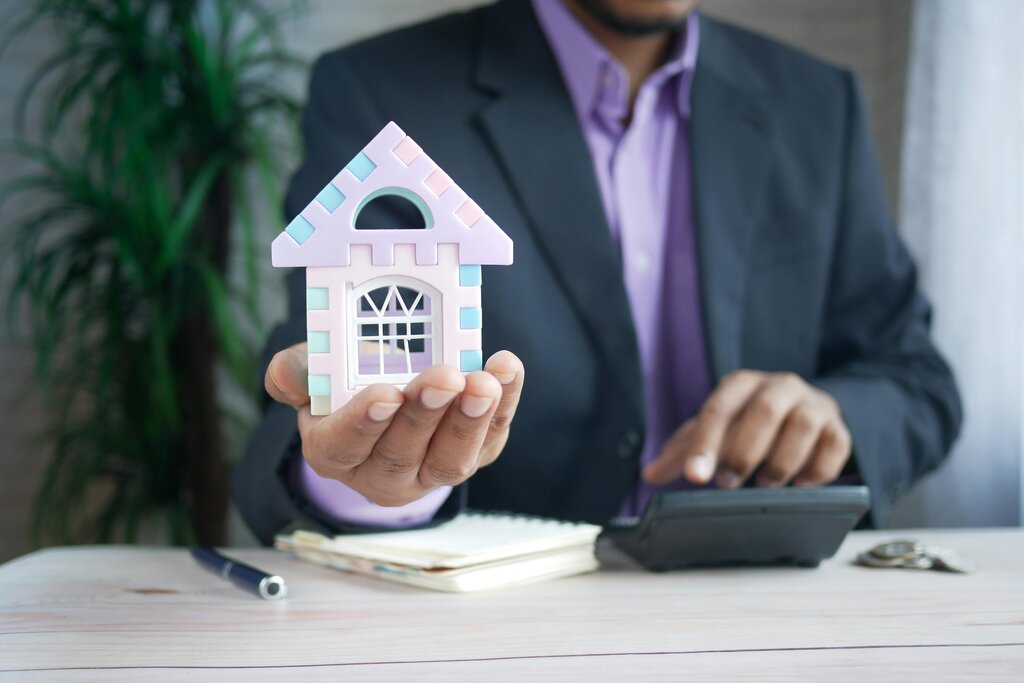
This freedom is one of the biggest draws of owning a home, but it comes with a need for careful financial planning.
The Path to Purchase
Buying a house is a multi-step process that usually begins long before you start looking at listings. First, you need to figure out how much you can afford. This involves looking at your income, savings, and existing debts. Most buyers will need a loan from a bank to cover the cost of the house.
mortgage
noun
A legal agreement by which a bank or other creditor lends money at interest in exchange for taking title of the debtor's property, with the condition that the conveyance of title becomes void upon the payment of the debt.
To get a mortgage, you'll go through a process called pre-approval, where a lender assesses your financial health to determine how much they're willing to lend you. This gives you a clear budget.
Once you have a budget, the fun part begins: house hunting. After you find a home you love, you'll make an offer. If the seller accepts, you'll move on to inspections and appraisals to ensure the house is in good condition and worth the price. The final step is "closing," where you sign a mountain of paperwork, pay closing costs (fees for the sale), and officially get the keys to your new home.
The Ongoing Costs
Your monthly mortgage payment is the most obvious expense, but it's not the only one. This payment is typically made up of four parts, often called PITI:
- Principal: The portion of your payment that goes toward paying down the loan balance.
- Interest: The cost of borrowing the money, paid to the lender.
- Taxes: Property taxes, which you pay to your local government. These are often collected by the lender and held in an account called escrow.
- Insurance: Homeowner's insurance, which protects your home against damage, and potentially private mortgage insurance (PMI) if you made a small down payment.
Beyond PITI, you must also budget for maintenance and repairs. A common rule of thumb is to set aside 1-2% of your home's value each year for these costs. A 💲300,000 home might require 💲3,000 to 💲6,000 annually for upkeep.
These costs can include anything from replacing a furnace to fixing a leaky roof. They are unpredictable but inevitable, making an emergency fund a critical part of responsible homeownership.
Your Home as an Investment
Despite the costs, homeownership is a primary way many people build wealth. This happens through two main avenues: building equity and property appreciation.
equity
noun
The value of a mortgaged property after deduction of charges against it. In simple terms, it's the portion of your home that you truly own.
Each time you make a mortgage payment, a portion of it—the principal—reduces your loan balance. This increases your equity. For example, if your home is worth $400,000 and you have a $300,000 mortgage balance, you have $100,000 in equity. As you pay down the loan, your equity stake grows.
The second factor is appreciation, which is the increase in your home's value over time. If that same $400,000 home is worth $420,000 next year, you've gained $20,000 in value. This is influenced by factors like the local housing market, inflation, and improvements you make to the property.
Over many years, the combination of paying down your mortgage and property appreciation can result in a valuable asset that contributes significantly to your net worth.
What is a primary difference in responsibility between owning a home and renting one?
In the context of a mortgage payment (PITI), which component directly reduces the total amount of money you owe on the loan?
Understanding these core concepts is the first step on the journey to potentially owning a home. It's a path with many responsibilities, but also significant rewards.