Business Software Suite Implementation
Understanding Business Needs
Start With What You Have
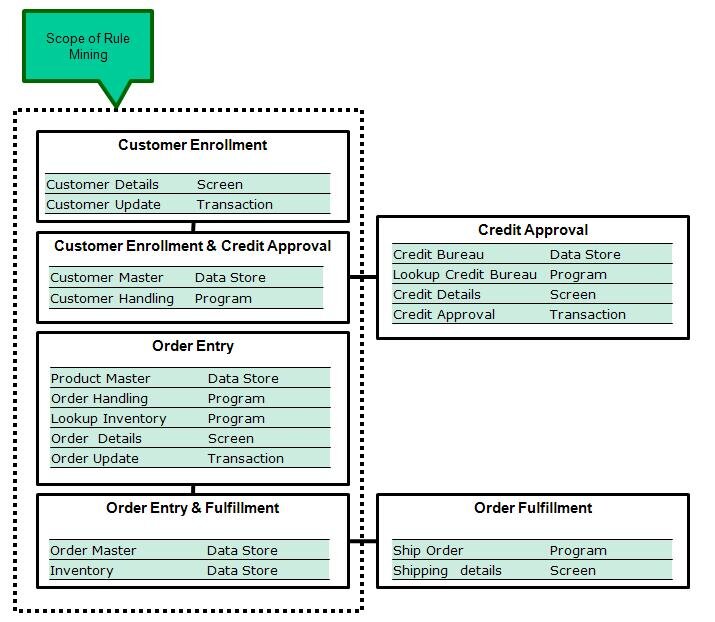
Before you can choose the right software, you need a crystal-clear picture of how your business actually works. Think of it like a doctor diagnosing an illness before writing a prescription. You have to understand the symptoms and the underlying condition first. This means mapping out your current business processes from start to finish.
How does a new customer order get processed? What steps are involved in handling a support ticket? Who needs to approve an expense report? Documenting these workflows reveals the real, day-to-day operations of your company. This isn't about how you think things work, but how they actually get done. Talk to the people on the front lines—the sales team, the customer service reps, the warehouse staff. They know the process better than anyone.
Find the Friction
Once you've mapped your processes, you can start looking for the pain points. Where are things slowing down? Where are mistakes most likely to happen? These operational inefficiencies are the problems that new software should solve.
Look for bottlenecks where work piles up, like a single person who has to approve every purchase. Identify repetitive tasks that eat up valuable time, such as manually copying customer information from an email into a spreadsheet. Note any points where information gets lost or miscommunicated as it moves between teams or systems. These are the symptoms telling you something needs to change.
Every minute an employee spends fighting a clunky process or searching for information is a minute they're not creating value for your customers.
Define Your Destination
Knowing your problems isn't enough. You need to define what success looks like. This is where business objectives come in. An objective is a specific, measurable goal that you want to achieve. It turns a vague desire like "be more efficient" into a concrete target.
Good objectives are clear and quantifiable. Instead of "improve customer service," a better objective is "reduce average customer response time by 30% within six months." Instead of "waste less time," try "automate the monthly invoicing process to save 10 hours of manual work."
These objectives act as your north star. They guide your search and ensure you're looking for software that will have a real, tangible impact on your business.
The most important responsibility of the Business Analyst’s job is to get the requirements right.
With clear objectives in hand, you can translate them into specific software requirements. A requirement is a feature or function the software must have to help you meet your objective. This is the final step in understanding your needs before you start looking at options.
| Business Objective | Software Requirement |
|---|---|
| Reduce data entry errors by 50% | System must automatically sync customer data across platforms. |
| Decrease project completion time by 15% | Software must include shared task lists and progress tracking. |
| Improve team collaboration on sales deals | Needs a centralized document repository with version control. |
| Cut invoice processing costs by 20% | Must support automated invoice generation from timesheets. |
Now that you've seen how to assess processes, find inefficiencies, set objectives, and define requirements, let's test your understanding.
What is the primary goal of mapping your business processes before looking for new software?
Which of the following is the best example of a 'bottleneck'?
By following these steps, you build a solid foundation. You're no longer just shopping for software; you're strategically solving business problems.