Business Pricing Strategies
Introduction to Pricing
More Than a Number
What is pricing? At its simplest, it's the amount of money you charge for a product or service. But it's much more than just a tag on a shelf. Pricing is the process of placing a value on your business's offerings. It’s the one part of a business that directly generates revenue; everything else, from manufacturing to marketing, represents a cost.
Think of it this way: if a business is a car, pricing is the engine. It provides the power that moves the company forward. Get it right, and the business can cruise towards its goals. Get it wrong, and it will sputter and stall, no matter how great the product is.
The right price must be high enough to cover costs and generate a profit, yet low enough to be attractive to customers.
Price, Profit, and Position
Pricing has a direct and powerful impact on profitability. A small change in price can lead to a huge change in profit. Imagine a company sells a widget for $10. It costs them $8 to produce, so they make $2 in profit per unit. If they increase the price by just 10% to $11, their profit jumps to $3 per unit. That’s a 50% increase in profit from a 10% price change.
Beyond profit, pricing also defines your company’s position in the market. Are you the affordable, everyday option? Or are you the premium, high-end choice? Your price is often the first signal you send to customers about who you are and what you stand for. It helps them compare you to your competitors and decide where you fit in.
What Your Price Says to Customers
Price is a powerful psychological tool. For consumers, price is often a shorthand for quality, especially when they are unfamiliar with a product. A higher price can signal superior materials, better performance, or more exclusive service. A lower price might suggest a bargain, but it can also raise questions about quality.
A customer's perception of value is key. They aren't just buying a product; they are buying a solution to a problem. The price must feel fair for the value they receive.
This perception isn't static. It's influenced by branding, customer service, and the overall experience a company provides. Two coffee shops can sell the exact same coffee beans, but one might charge more because it offers a cozier atmosphere and friendlier service. The price reflects the entire package, not just the product.
Pricing and Your Goals
Effective pricing doesn't happen in a vacuum. It must be aligned with the company's overall business objectives. What is the business trying to achieve?
If the goal is to quickly gain market share, a lower price might be used to attract a large volume of customers. If the objective is to be seen as a luxury brand, a high price point is essential to maintain that exclusive image. If the goal is simply to maximize short-term profit, the price will be set to extract the most revenue from each sale.
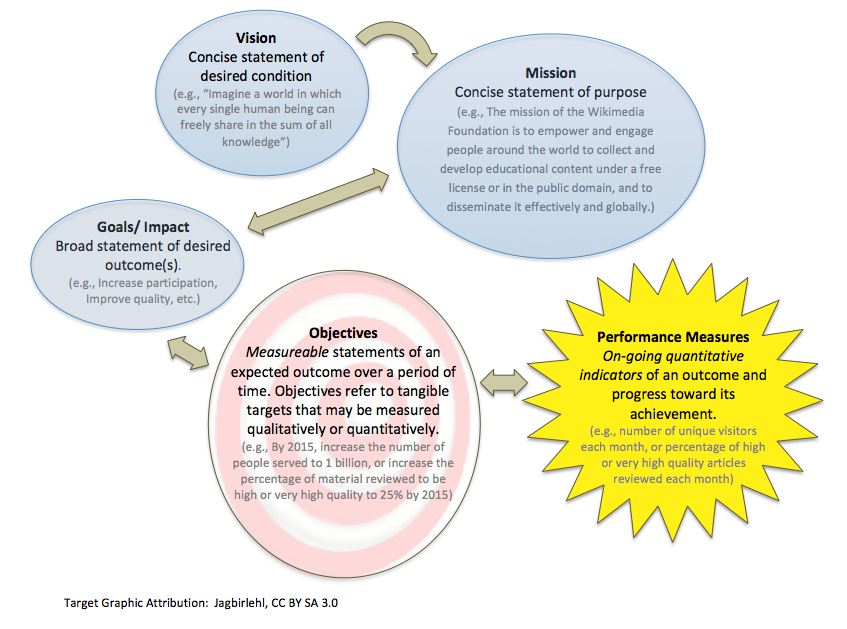
Every pricing decision should support these larger goals. Without this alignment, a business risks sending mixed messages to customers and undermining its own strategy. Pricing is not just a financial calculation; it’s a strategic decision that shapes the future of the business.
Now, let's test your understanding of these core pricing concepts.
In the context of a business's operations, what is the unique role of pricing?
A company sells a product for 18, leaving a profit of 21, what is the percentage increase in profit per unit?