Business Planning for Municipal Enterprises
Introduction to Business Planning
A Roadmap for Success
Think of a business plan as a roadmap for a journey. Before starting a long road trip, you figure out your destination, map the route, estimate the fuel you'll need, and plan your stops. A business plan does the same for a company. It's a formal document that outlines your goals and details exactly how you plan to achieve them.
It forces you to think through every aspect of your venture, from your core mission to the nitty-gritty details of your finances. This process of deep thinking is often more valuable than the final document itself.
While writing a business plan is certainly helpful, the real value is not in having the finished product in hand, but rather in the process of researching and thinking about your business in a systematic way...
The Building Blocks
While the format can vary, most business plans contain a standard set of components. Each section builds on the last, creating a comprehensive picture of the business.
Here’s a quick rundown of what each part covers:
- Executive Summary: A brief, high-level overview of the entire plan. It’s the last thing you write, but the first thing people read.
- Company Description: Explains who you are, what you do, and what your mission is.
- Market Analysis: Shows you understand your industry, target customers, and competitors.
- Organization & Management: Details your business structure and the team behind it.
- Products or Services: Describes what you're selling and what makes it unique.
- Marketing & Sales: Outlines how you'll attract and retain customers.
- Financial Projections: The numbers part. It includes forecasts for revenue, costs, and profit.
Why Bother?
Creating a business plan isn't just an academic exercise. It’s a vital tool for guiding decisions and managing your enterprise effectively. With a solid plan, you can allocate resources like time, money, and personnel with confidence, because every decision is tied to a specific, well-defined goal.
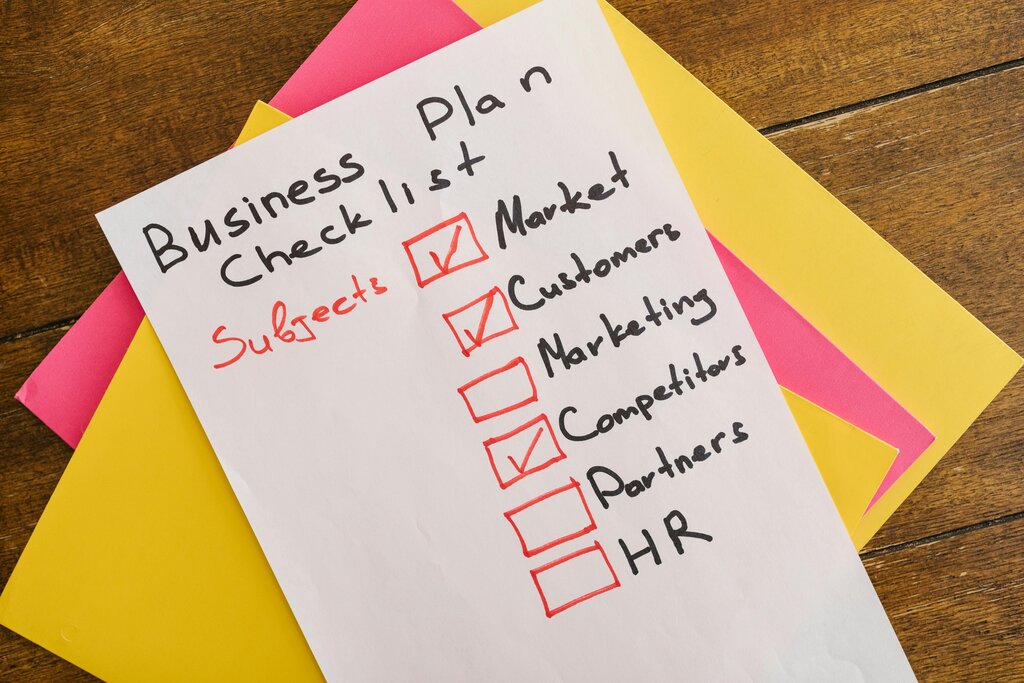
A plan also serves as a benchmark. It sets clear, measurable objectives, allowing you to monitor your performance over time. Are you hitting your sales targets? Are expenses in line with your projections? By comparing your actual results to the plan, you can spot what's working and what isn't, and make adjustments as needed. This continuous cycle of planning and monitoring is fundamental to steering a business toward sustainable growth.
Ultimately, a good business plan doesn't just get you started—it guides you through every stage of managing your business.
Ready to check your understanding?
The provided text compares a business plan to what?
Which section of a business plan is written last but read first, providing a high-level overview of the entire document?
Having a clear plan is the first step in turning an idea into a functioning enterprise. It provides the structure needed to make smart decisions and navigate the path ahead.