Business Mechanics of Kasa Living
Asset-Light Strategy
The Asset-Light Advantage
Traditional hotel giants often follow an asset-heavy model. They own the land and the buildings, which requires enormous upfront investment, or (Capital Expenditure). This approach is stable but slow to scale. A company has to buy or build a new property for every new location.
Kasa Living flips this model on its head. Instead of owning real estate, Kasa operates it. This asset-light strategy allows for rapid expansion into new markets without the massive financial burden of property acquisition. Kasa can move into a new city by signing a deal with an existing property owner, not by calling a construction company. This makes the business nimble, scalable, and less exposed to the risks of the real estate market.
The core idea is simple: separate the high-capital business of owning real estate from the operational business of hospitality.
Structuring the Deals
Kasa partners with property owners through two primary structures: master leases and management agreements. Each offers a different balance of risk and reward for both Kasa and the property owner.
A is the simpler of the two. Kasa signs a long-term lease for an entire building, a block of floors, or a set of units from a property owner. Kasa pays a fixed monthly rent to the owner, just like any other tenant. Then, Kasa furnishes the units and sublets them to its own guests for short-term or mid-term stays. For the property owner, this is a dream scenario: a single, reliable tenant who guarantees income and eliminates vacancy risk across many units.
The other option is a management agreement. In this setup, the property owner retains ownership and the financial risk, but hires Kasa to handle all operations. This includes marketing, booking, guest services, cleaning, and maintenance. In return, Kasa earns a percentage of the revenue generated. This model is essentially a [{
| Feature | Master Lease | Management Agreement |
|---|---|---|
| For Property Owner | Guaranteed fixed income | Higher potential upside |
| Zero vacancy risk | Assumes all vacancy risk | |
| Hands-off involvement | More operational oversight | |
| For Kasa | Keeps all revenue upside | Earns a percentage of revenue |
| Assumes all vacancy risk | Lower financial risk | |
| Full operational control | Acts as a service provider |
Bridging Two Worlds
Kasa's model creates a bridge between multi-family residential real estate and the hospitality industry. For owners of apartment buildings, Kasa offers a way to increase yield. Instead of dealing with dozens of individual year-long leases, they can sign one master lease with Kasa for guaranteed income. This is particularly valuable for new buildings during the initial "lease-up" phase, where finding tenants can be slow.
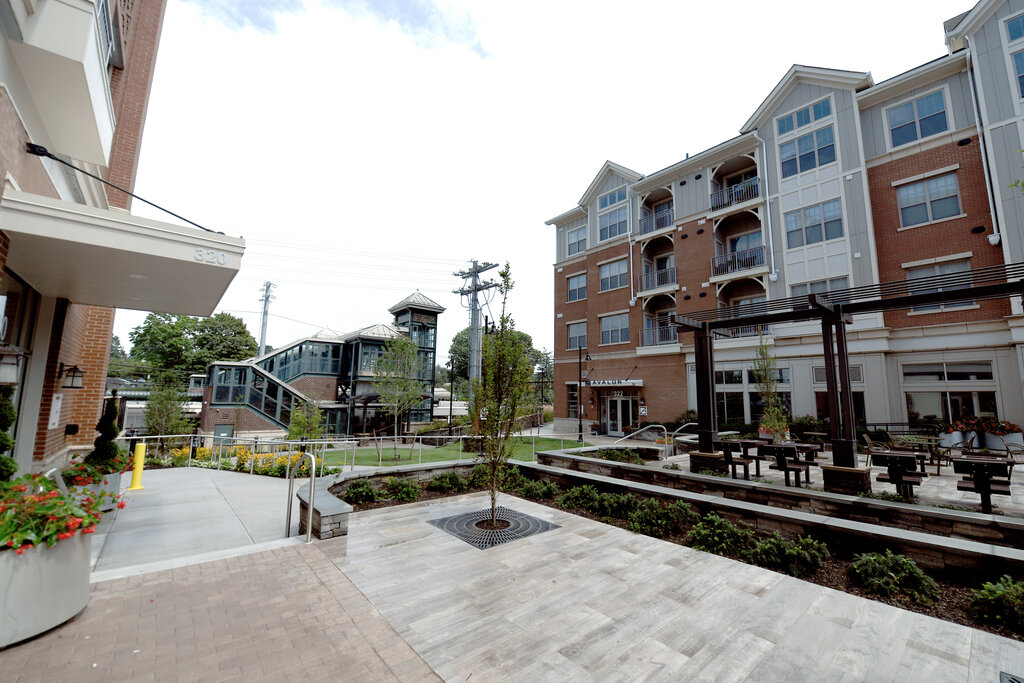
This approach effectively converts long-term residential units into short-term hospitality assets without the owner needing to build a hotel or become a hotel operator. Kasa brings the brand, the booking technology, and the operational expertise. The property owner provides the physical space. It's a symbiotic relationship that allows both sides to focus on what they do best.
Now that you understand Kasa's business model, let's review the key concepts.
What is the primary strategic advantage of Kasa's asset-light model compared to the asset-heavy model of traditional hotels?
A property owner wants to partner with Kasa but prefers to retain most of the potential upside from high occupancy, while also accepting the financial risk of slow periods. Which partnership structure suits them best?
This asset-light approach allows Kasa to scale quickly while providing property partners with a compelling way to reduce risk and increase revenue.